
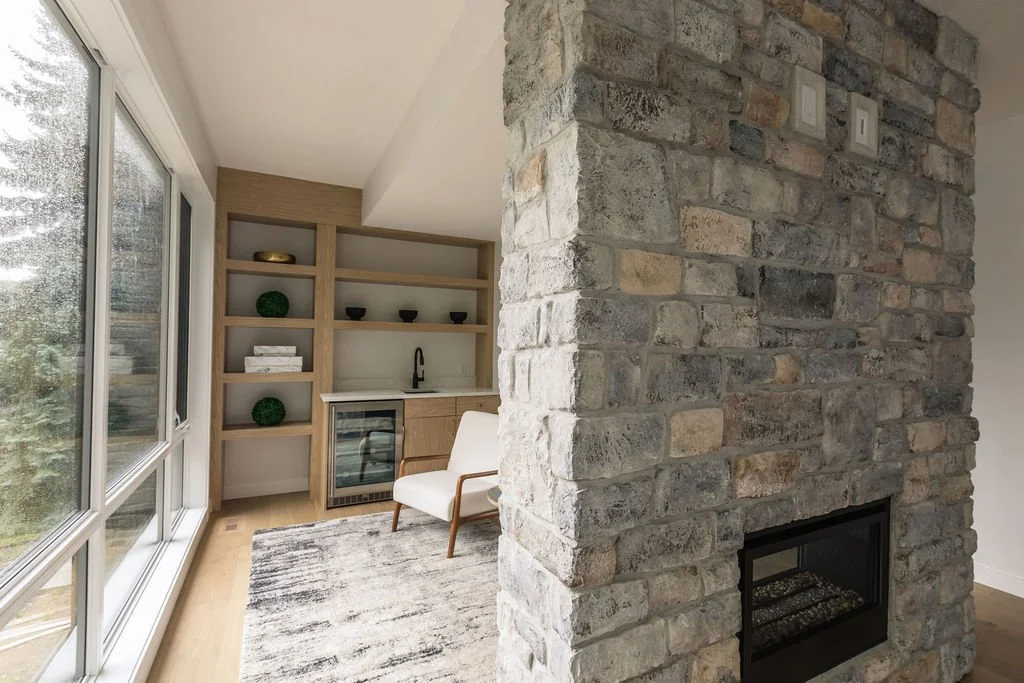
Industrial interior design has become a go-to style for homeowners who want their space to feel bold, unfussy, and grounded in real materials. If you have ever admired exposed brick, concrete surfaces, or black metal accents and wondered how to make them work in a real home, you are in the right place. If you’re wondering, “What is industrial interior design?”, we’ll break it down in a clear, practical way so you can decide if it fits your lifestyle and your home.
The Origins and Soul of Industrial Design
Industrial design started long before it became trendy. It traces back to old factories, warehouses, and manufacturing buildings that were built for pure function, not looks. These buildings featured exposed beams, visible ductwork, concrete floors, and large windows because they were practical and efficient.
When these spaces were later converted into homes and studios, designers leaned into their existing features rather than hiding them. That mindset is what defines the style today. At its core, industrial interior design celebrates structure, honesty in materials, and spaces that feel lived in rather than overly polished. The industrial aesthetic is less about decoration and more about letting the building itself tell a story.
What is Industrial Interior Design?
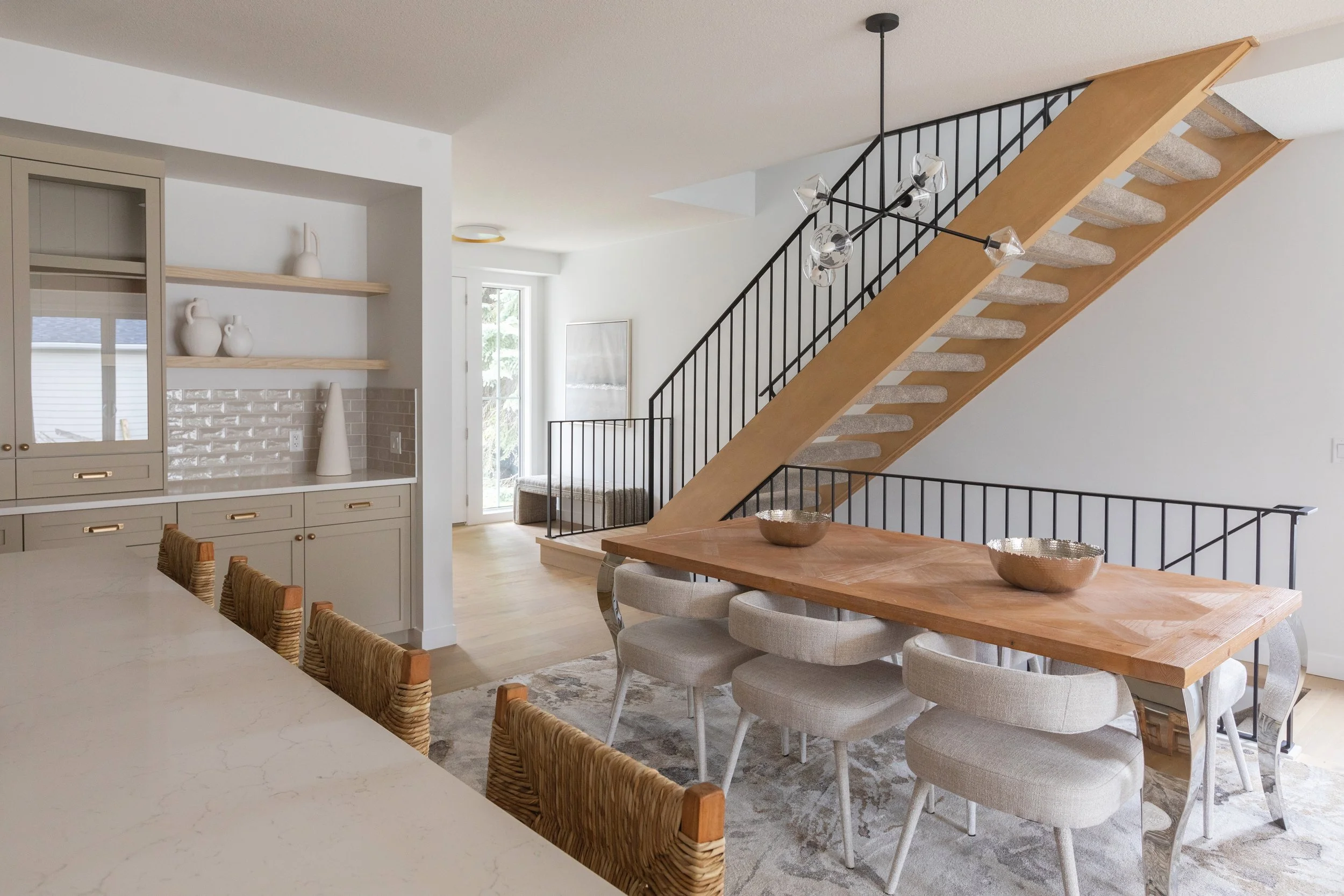
Industrial interior design includes a few key elements that work together. One of the biggest is exposed materials. Brick walls, concrete floors, steel frames, and natural wood are not covered up but highlighted as part of the design.
The colour palette is usually neutral and earthy. You will see plenty of greys, blacks, warm browns, and muted tones that allow textures to stand out. This approach shows up clearly in industrial interior decor, where finishes feel raw but intentional.
Another defining feature is furniture that feels sturdy and functional. Clean lines, strong frames, and minimal ornamentation are common. Lighting also plays a huge role, with metal pendants, exposed bulbs, and statement fixtures adding character without feeling fussy.
Industrial Style vs Other Design Styles
Industrial interiors are often confused with modern or rustic spaces, but there are clear differences. Modern spaces are typically sleek and refined, while industrial style interior design embraces roughness and visible wear. Scratches, patina, and texture are seen as character, not flaws.
Rustic design focuses more on coziness and traditional warmth. Industrial decor feels more urban and grounded in architecture. Many homeowners choose to blend styles, which is where modern industrial interior design shines. Mixing clean modern lines with raw industrial materials creates spaces that feel balanced and timeless.
Another popular variation is industrial contemporary interior design, which softens the harder edges with better lighting, smoother finishes, and a bit more warmth while keeping that unmistakable industrial backbone.
What is Industrial Furniture Design and Home Decor?
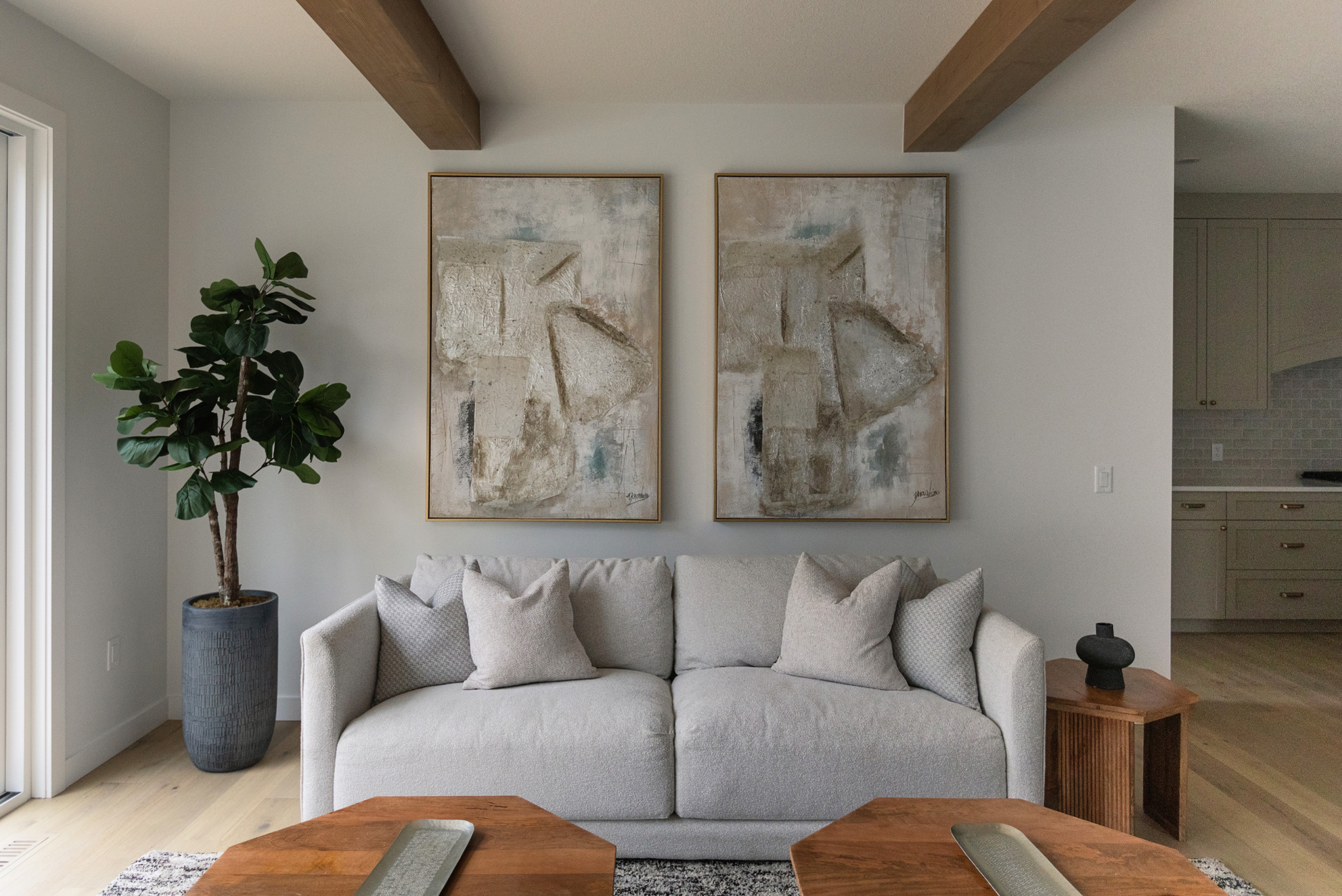
Industrial furniture typically uses materials like reclaimed wood, metal frames, leather, and concrete-inspired finishes. Dining tables may feel hefty and solid. Sofas often have clean shapes and durable upholstery.
When it comes to industrial interiors home decor, less is more. Decor pieces are usually functional or architectural. Think metal shelving, simple wall art, vintage style clocks, or sculptural lighting. The goal is not to overfill the space but to let a few strong pieces do the heavy lifting visually.
This approach makes industrial style surprisingly livable, especially when layered with softer elements like area rugs, curtains, and textiles to keep the space feeling comfortable.
How to Create an Industrial Look at Home
If you are wondering how to create an industrial look in your own home, start small and build intentionally. Focus first on materials and finishes. Adding a concrete look floor, black metal accents, or wood with visible grain can instantly shift the feel of a space.
Lighting is another easy entry point. Swapping standard fixtures for metal pendants or simple industrial-inspired lighting can make a huge impact. Furniture with exposed frame details also helps reinforce the style.
You do not need a loft or warehouse to make it work. Many homeowners successfully integrate industrial design into single-family homes and condos by blending it with warmer tones and thoughtful layouts. Working with an experienced Edmonton interior designer can help you strike the right balance so your space feels bold but still welcoming.
Interior Design Tips for a Livable Industrial Home
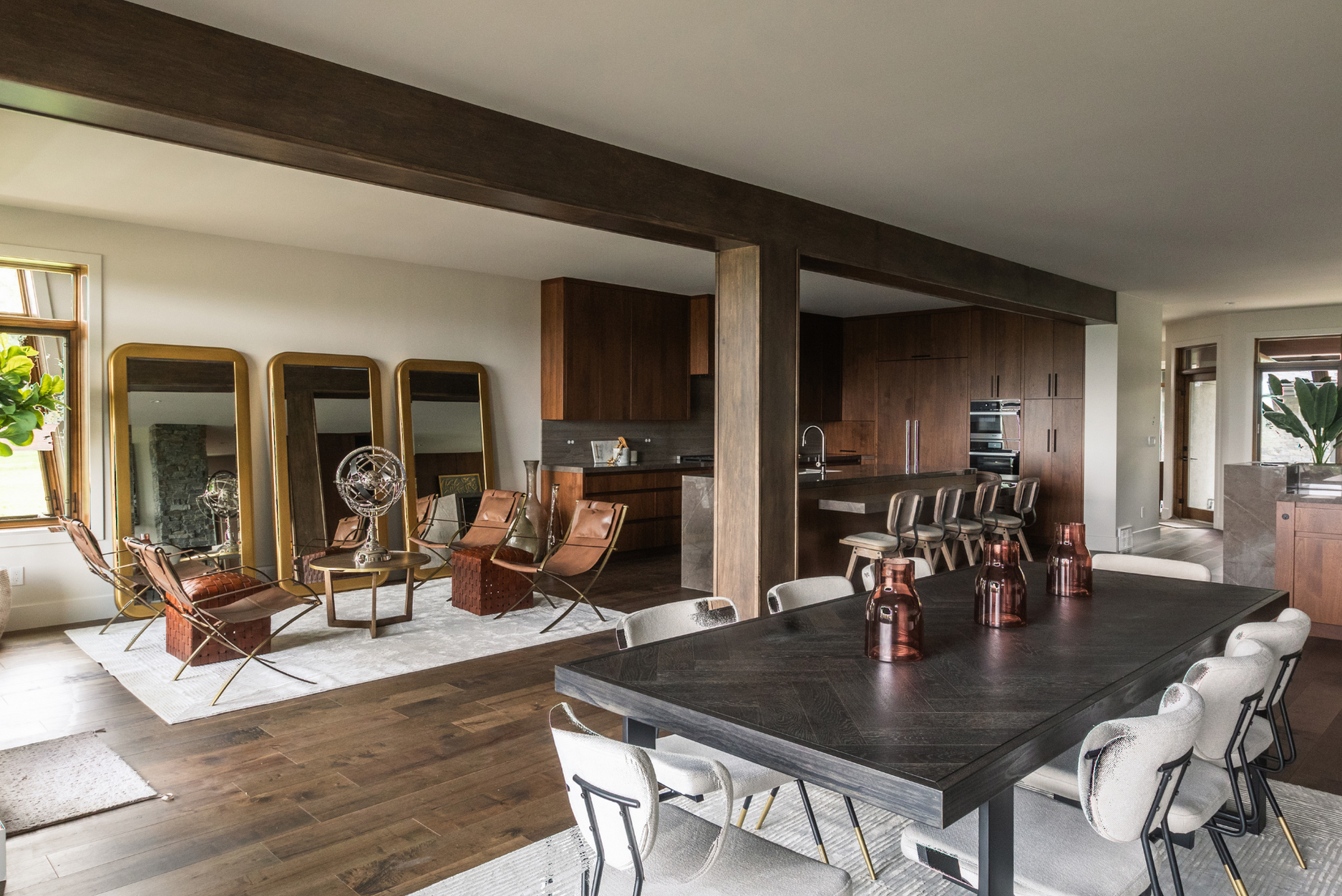
One of the most common mistakes homeowners make is going too cold. Too much concrete, metal, and dark colour can feel harsh if it is not balanced properly. Wood, warm lighting, and textured fabrics are essential to making industrial interiors feel like home.
Another tip is to avoid fake or overly themed elements. Subtlety always wins. Real materials, even in small doses, look far more authentic than decorative pieces that try too hard.
Finally, remember that industrial design evolves with you. The style works well when it reflects how you actually live, not just how a photo looks online.
Conclusion: What is Industrial Interior Design?
Industrial design is not about copying a factory. It is about embracing strong materials, honest construction, and spaces that feel grounded and intentional. For homeowners who love character, simplicity, and a slightly urban edge, this style offers flexibility and long-term appeal.
Whether you want to go all in or just layer in a few industrial touches, the key is balance. When done right, industrial design creates homes that feel confident, comfortable, and timeless.