
Industrial Style Interior Design
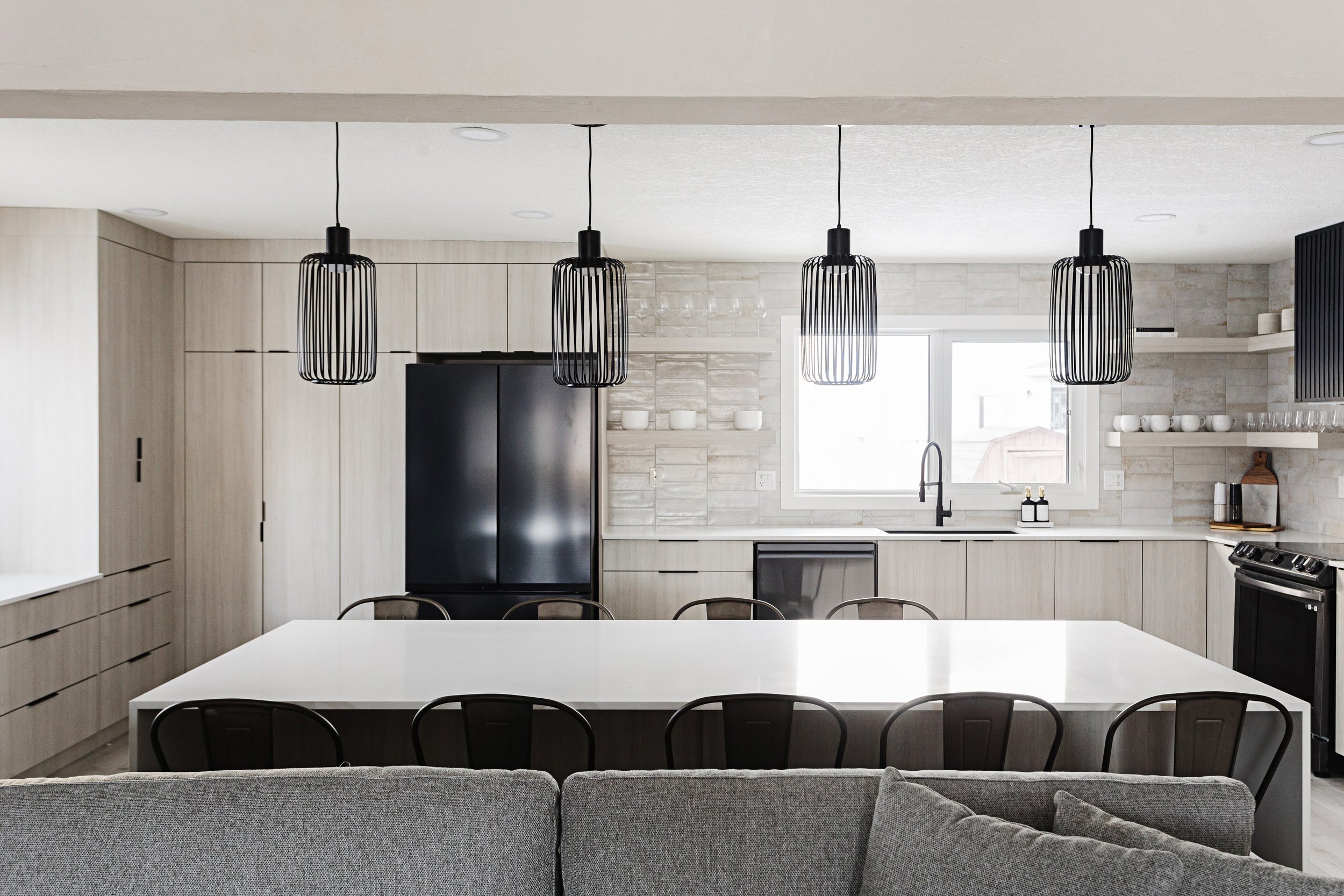
Industrial style interior design has become a go-to look for homeowners who want their space to feel bold, practical, and effortlessly cool. It’s rooted in old warehouses and factories but adapted for modern living, which makes it both timeless and flexible. This design approach values honesty in materials, open layouts, and pieces that feel solid rather than decorative.
At Tailored Interior, we see more homeowners gravitating toward spaces that feel authentic instead of overly polished. Industrial interiors do exactly that. They highlight structure, celebrate texture, and allow a home to feel lived in without feeling messy. When done right, this style works beautifully in everything from downtown condos to family homes.
This guide breaks down how to get the look right, avoid common mistakes, and make industrial design feel warm, personal, and intentional.
What is Industrial Interior Design?
Many people ask what industrial interior design is and why it looks so different from other popular styles. At its core, this aesthetic comes from repurposed industrial buildings where structural elements were left exposed out of necessity. Instead of hiding pipes, beams, and brick, designers leaned into them.
Understanding industrial design style helps explain why function matters so much here. Materials like concrete, steel, iron, and raw wood are chosen because they are durable and honest. There is nothing frilly or overly decorative about this look. Every element feels like it has a purpose.
Today, this style has evolved beyond lofts and warehouses. You can now apply it to modern homes by focusing on texture, contrast, and simplicity.
Industrial Style Interior Design Foundations
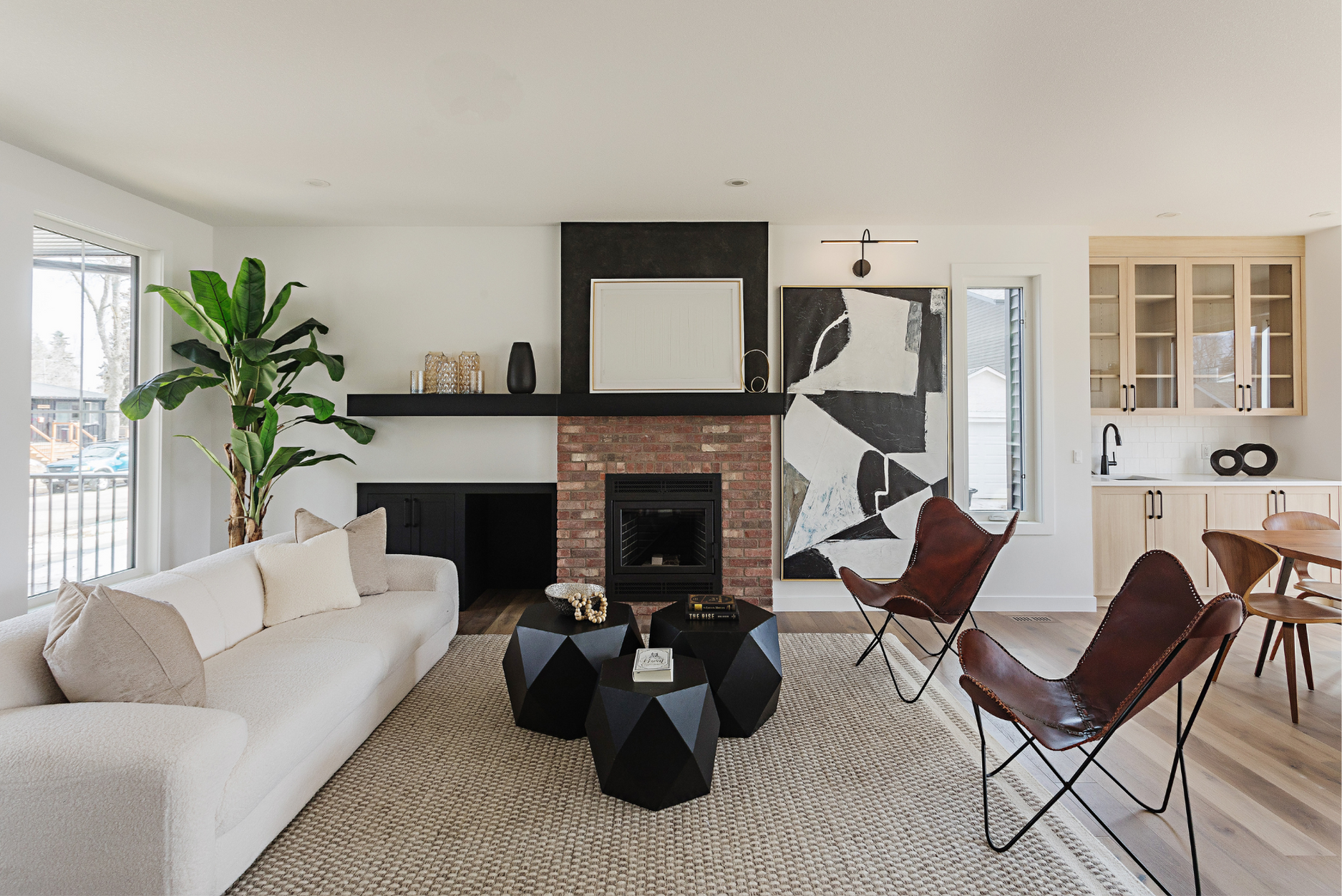
Industrial interior design works best when the foundation is done right. This means starting with structure, layout, and core finishes before thinking about decor.
Open floor plans are ideal because they reflect the origins of industrial spaces. If walls can’t be removed, visual openness can still be created through consistent flooring, large furniture pieces, and minimal partitions.
Raw materials are essential. Exposed brick, concrete floors, metal railings, and unfinished wood instantly establish the look. Even subtle details like black window frames or visible ductwork help reinforce the overall feel.
Colour plays a supporting role here. Neutral tones dominate, so materials can shine without distraction.
Materials and Textures That Define the Look
The success of industrial interior design depends heavily on texture. Without variation, the space can feel flat or cold. Concrete adds weight and structure, especially on floors or countertops. Brick brings warmth and history, even when painted in muted tones. Metal elements like steel shelving, iron frames, and matte black fixtures add contrast and edge.
Wood is the balancing act. Reclaimed or distressed wood softens the harsher materials and makes the space livable. Leather, canvas, and natural textiles also add depth without breaking the aesthetic. This combination is what gives industrial interior decor its layered, intentional feel.
Furniture and Layout Choices That Matter
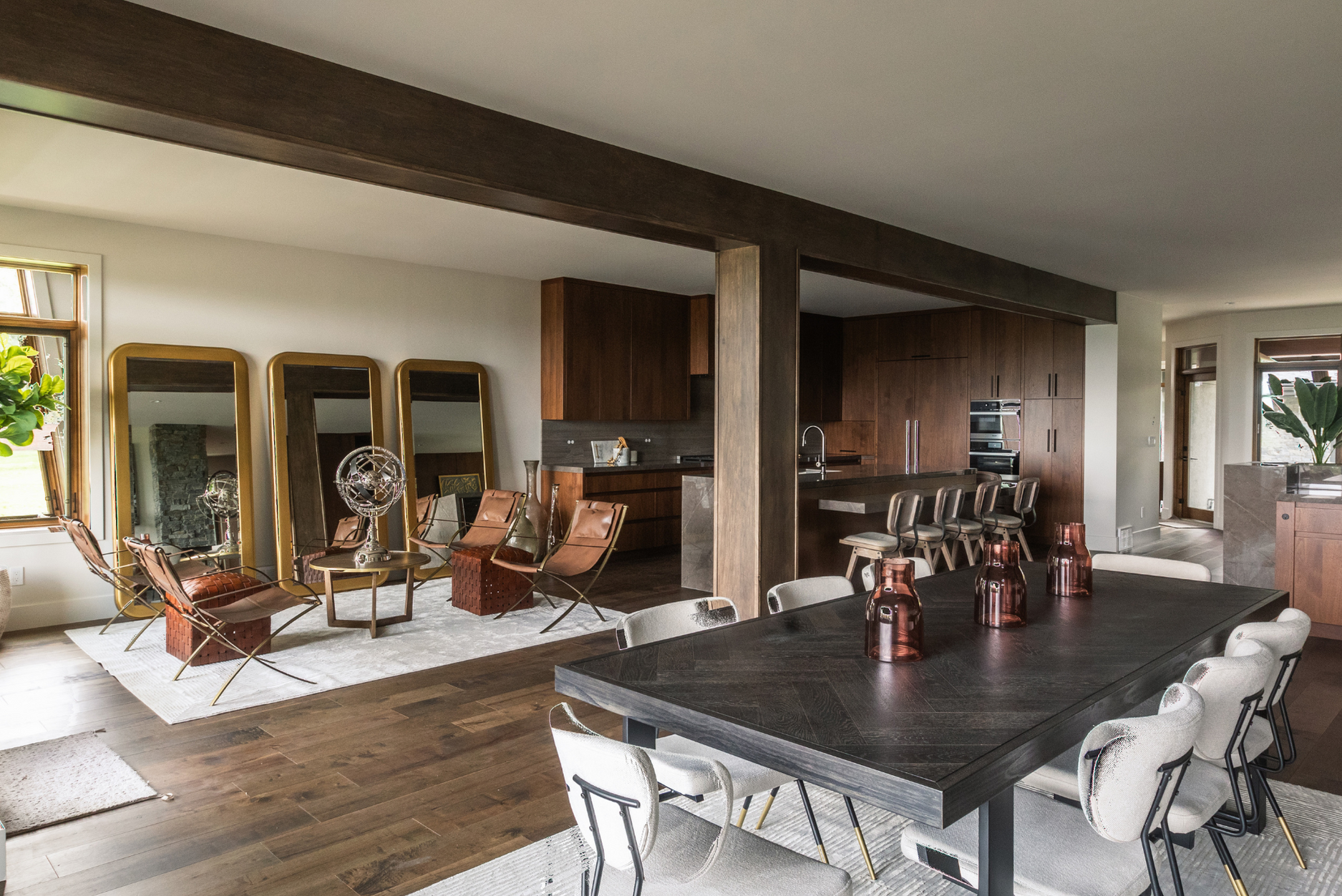
Furniture selection is where many people go wrong. To understand what is industrial furniture design, think sturdy, minimal, and functional. Pieces often feature metal frames, solid wood surfaces, and simple silhouettes. Avoid anything overly ornate or delicate. Furniture should look like it can handle daily life without fuss.
In an industrial sitting room, seating tends to be low-profile and substantial. Leather or fabric sofas in neutral tones work well, especially when paired with a solid coffee table and open shelving. The layout should feel open but grounded. Large anchor pieces work better than multiple small ones.
How to Create an Industrial Look Without Overdoing It
Knowing how to create an industrial look is all about restraint. You don’t need to turn your home into a warehouse to get the vibe right.
Start with one or two defining features, such as exposed brick or concrete-style flooring. Build around those with complementary finishes rather than competing ones.
Lighting plays a huge role here. Statement fixtures with metal finishes or exposed bulbs add character without clutter. Keep accessories minimal and meaningful so the space feels curated instead of staged.
This approach works especially well for homeowners who want industrial interiors home decor that still feels warm and personal.
Industrial Living Room Design That Feels Comfortable
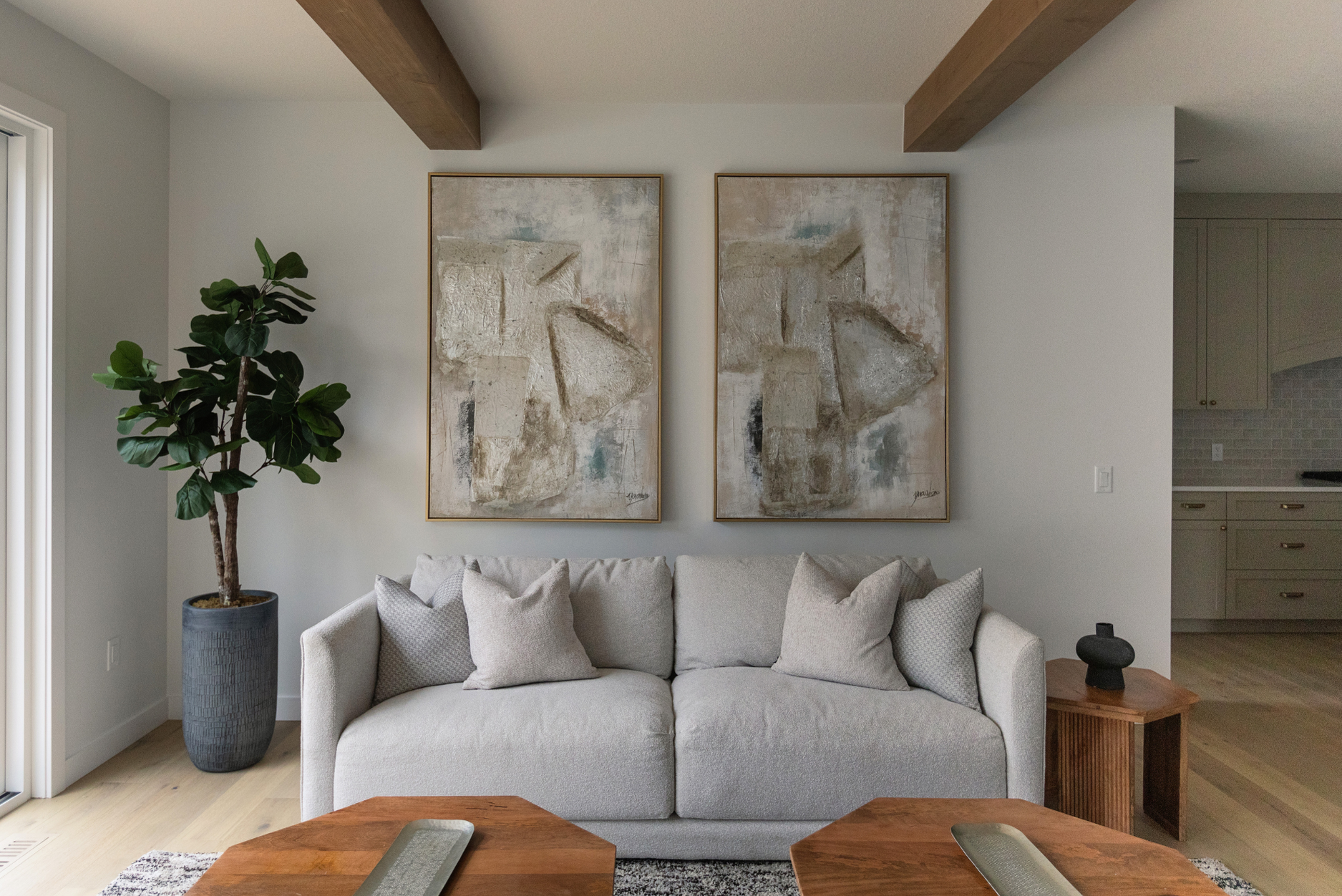
The industrial living room is often the heart of the home, which means comfort matters just as much as style. Sofas should feel inviting, not rigid. Layered textiles, such as rugs and throws, help soften hard surfaces. A mix of old and new furniture adds character without feeling themed.
Wall decor should be simple. Large-scale art, oversized clocks, or minimal shelving work better than gallery walls packed with frames. This is where industrial decor really shines because it lets the materials and proportions do most of the work.
Modern Industrial Interior Design for Kitchens and Dining Areas
Modern industrial interior design blends raw materials with cleaner lines, which works beautifully in kitchens and dining spaces. Concrete or stone countertops paired with wood cabinetry strike the right balance. Open shelving with metal brackets adds function and reinforces the aesthetic.
Dining tables made from solid wood with metal legs feel grounded and timeless. Chairs can be modern or vintage as long as they keep a simple profile. These spaces benefit from good lighting since darker finishes are common.
Adding Warmth to an Industrial Aesthetic
A common concern with the industrial aesthetic is that it can feel cold if not balanced properly. Warmth comes from texture, not decoration. Rugs, wood finishes, leather accents, and soft lighting all help soften the space. Plants also play a big role by adding life and contrast.
Personal items matter too. Books, art, and meaningful objects help the home feel lived in rather than styled for a photo shoot. This is what separates industrial interior design from spaces that feel unfinished.
Industrial Chic Style Done Right
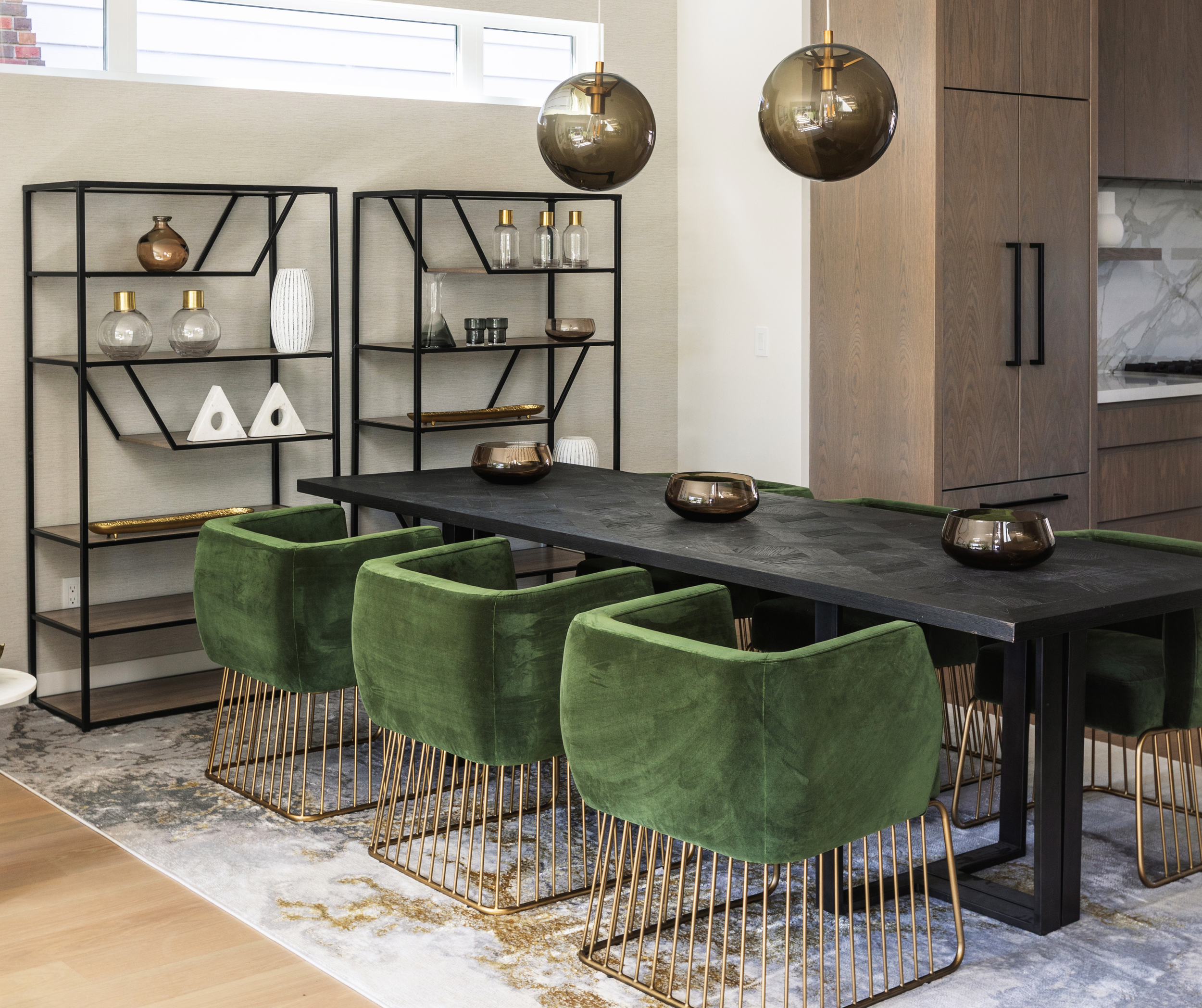
Industrial chic is a softer, more refined take on the style that blends raw elements with subtle elegance. This approach often includes cleaner lines, lighter colour palettes, and carefully chosen finishes.
Think polished concrete, brushed metal, and warm wood tones rather than rough textures everywhere. It’s a great option for homeowners who love the look but want it to feel more elevated and less rugged.
Work With a Professional Interior Designer
Applying this style successfully takes planning and a good eye for balance. Working with an experienced Edmonton interior designer can help ensure the space feels intentional from start to finish.
At Tailored Interior, we help homeowners adapt industrial interior design to real-life needs, whether that means family-friendly layouts or refined finishes that still feel authentic. Thoughtful planning makes all the difference between a space that looks industrial and one that actually works.
Final Words on Industrial Interior Design
Industrial interior design is about embracing honesty, simplicity, and strong materials while still creating a space that feels comfortable and personal. When the balance is right, the result is a home that feels confident, timeless, and effortlessly cool.
By focusing on structure first, choosing the right materials, and adding warmth through texture, this style can work in almost any home. Whether you lean bold or subtle, industrial design offers flexibility without sacrificing character. When done with intention, it’s a look that never feels forced and always feels real.
If you’re ready to bring this look into your own home, working with a professional interior design team makes all the difference. Contact Tailored Interior for expert residential design services in Edmonton, and let’s create a space that feels thoughtfully designed, functional, and uniquely yours.