
Japanese Interior Design for Home
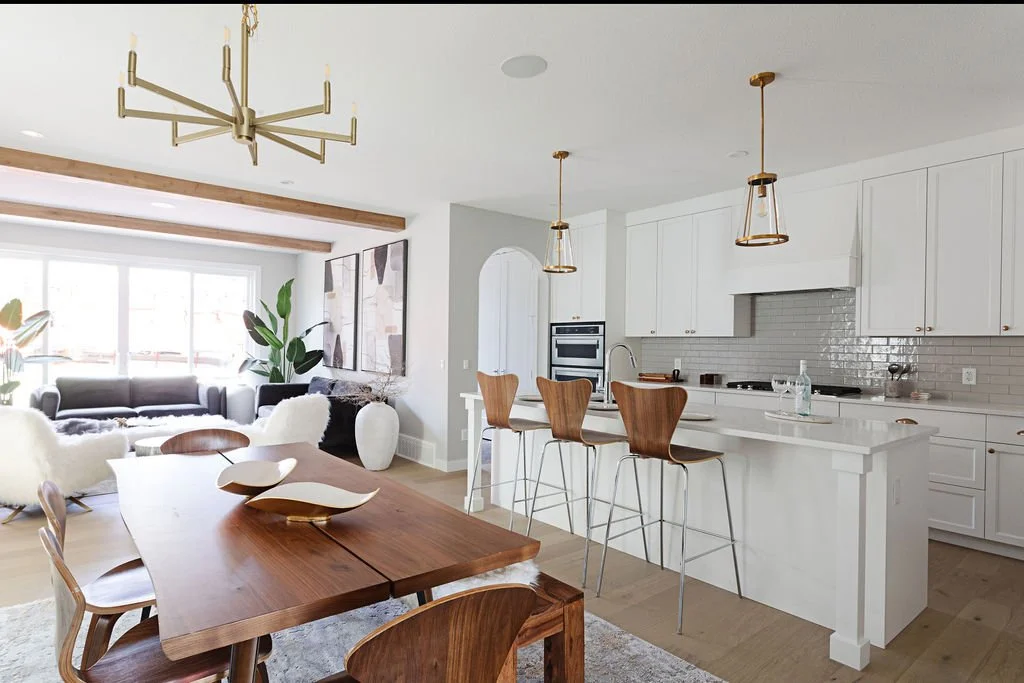
At its core, Japanese interior design is less about decoration and more about intention. Every object has a purpose, every material tells a story, and every space is designed to support daily life with ease and mindfulness.
Below are the foundational principles that define Japanese interior design, plus expert tips and guides to help you apply them in your own home.
How to Incorporate Japanese Interior Design Into Your Own Home
We often turn to Japanese interior principles when clients want homes that feel serene, functional, and deeply personal. Whether you’re drawn to traditional interiors, modern Japandi spaces, or subtle decor accents, this guide will walk you through how to thoughtfully use Japanese interior design at home.
Use Natural Materials & Textures
Natural materials are essential in Japanese-style interiors. Wood, stone, clay, bamboo, paper, and linen create warmth while reinforcing a connection to the natural world.
In a Japanese-style house, you’ll often see:
Light or medium-toned woods
Textured stone or concrete
Handmade ceramics
Woven textiles
We recommend starting with foundational materials, like wood flooring, stone countertops, or solid wood furniture, and layering in textural accents to add depth without visual noise.
Stick with a Neutral Palette
Japanese design relies on a restrained, nature-inspired colour palette. Think soft whites, warm beiges, muted greys, earthy browns, and subtle greens.
Rather than stark minimalism, the goal is softness and balance. Contrast is introduced through texture and form, instead of bold colour, creating a calm backdrop that allows architectural details and natural light to take centre stage.
Bring the Outside In
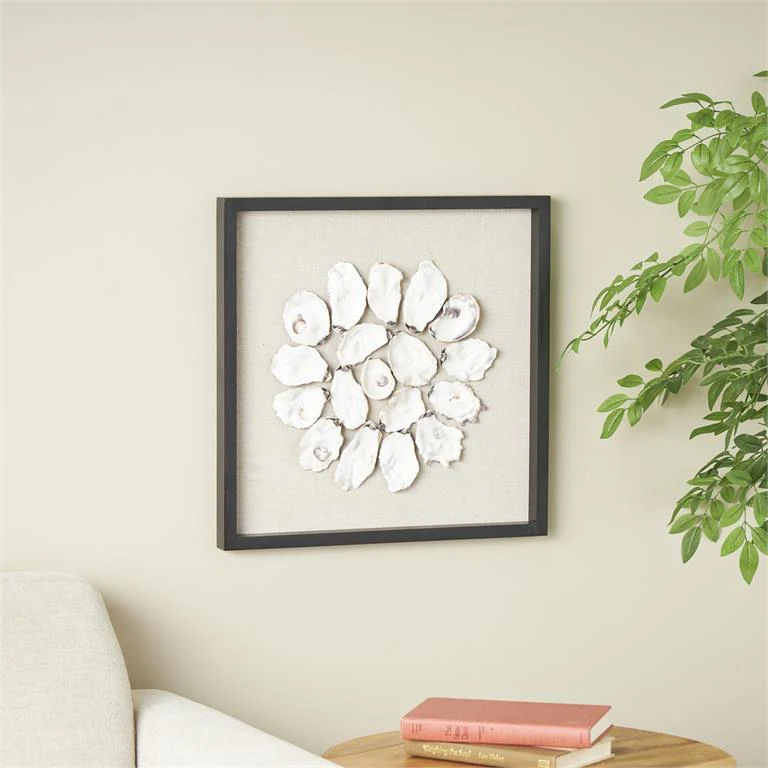
One of the most defining aspects of this design style is the seamless relationship between indoor and outdoor spaces. Nature isn’t treated as separate from the home — instead, it’s invited inside and easily incorporated through indoor plants and organic materials, and by prioritizing natural light, even in urban or colder climates like Edmonton.
Consider Lighting
Lighting plays a crucial role in Japanese interiors. Rather than harsh overhead lighting, the focus is on warm, diffused illumination that mimics natural light.
Common approaches include:
Paper or fabric light shades
Soft, warm bulbs
Layered lighting using floor and table lamps
Well-considered lighting enhances texture, highlights natural materials, and contributes to the calming atmosphere Japanese interior design is known for.
Reduce Clutter
Minimalism is often associated with Japanese interior design, but it’s more accurately described as intentional living. Clutter is removed not solely for aesthetics, but also to support clarity and calm.
Each item should serve a purpose, whether it’s functional, emotional, or both. Storage is discreet and well-planned, allowing rooms to feel open and breathable.
Prioritize Function Over Decoration
In Japanese interior design, beauty comes from usefulness. Furniture, storage, and layouts are chosen first for how they function in daily life, with aesthetics following naturally.
Ask whether each piece serves a clear purpose. A good rule of thumb: if something doesn’t add value to your daily life, it doesn’t belong in the space.
Let Negative Space Do the Work
Negative space is an active design element in Japanese interiors. Leaving space around furniture and decor allows the eye to rest and makes each object feel more intentional.
Resist the urge to fill every corner. Emptiness is part of the design.
Choose Simple Furniture
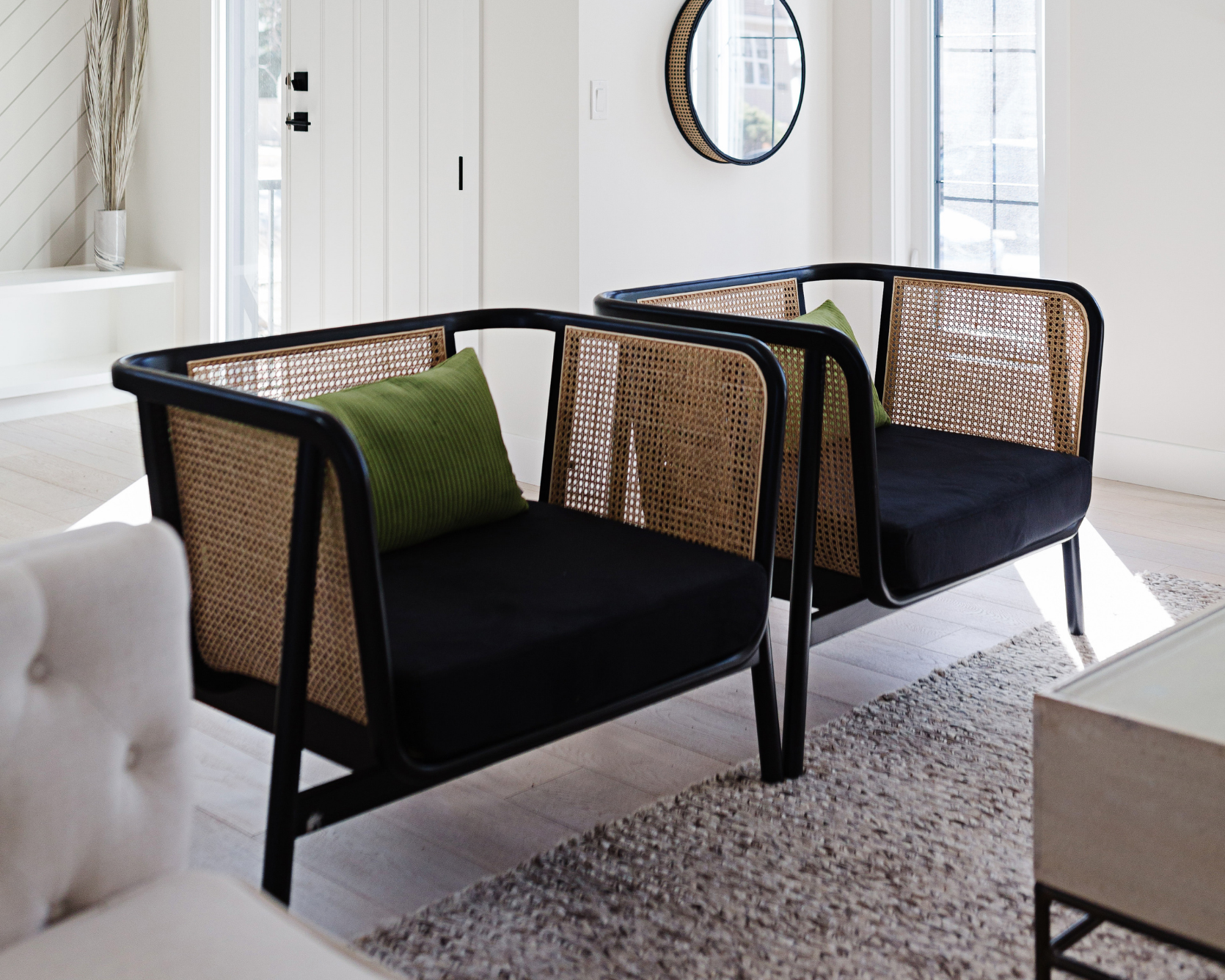
Another way to use negative space is through furniture. Furniture in Japanese interiors is typically low-profile and visually lightweight, putting the focus on comfort and proportion, rather than on statement pieces.
Look for:
Solid wood construction
Simple silhouettes
Pieces that sit lower to the ground for a grounded feeling
Accessorize Intentionally
Accessories in Japanese homes are meaningful, not decorative filler. A single sculptural vase, ceramic bowl, or piece of art can have more impact than multiple items.
Choose accessories that:
Are handmade or artisanal
Reflect natural materials
Have personal significance
This approach aligns closely with the philosophy of wabi sabi, which values authenticity, imperfection, and the beauty of time-worn objects.
Room-by-Room Japanese Interior Design Ideas
Applying Japanese interior design principles can look different depending on the room. We’re sharing our favourite ways to adapt the style throughout your home, no matter what room you’re starting with.
Living Rooms
Living rooms benefit from open layouts, low-profile seating, and minimal decor. They benefit most from open layouts, low-profile seating, and minimal decor. The goal is to create a calm, flexible space that supports both relaxation and connection. Focus on:
Simple furniture arrangements
Natural light and soft window treatments
One or two meaningful decor pieces
Avoid overcrowding the space. Negative space is just as important as furniture.
Bedrooms
Bedrooms inspired by Japanese interior design feel serene and grounded. Prioritize:
Neutral bedding in natural fabrics
Low or platform-style beds
Soft, layered lighting
Keep surfaces clear and limit accessories to promote rest and relaxation.
Kitchens & Dining Areas
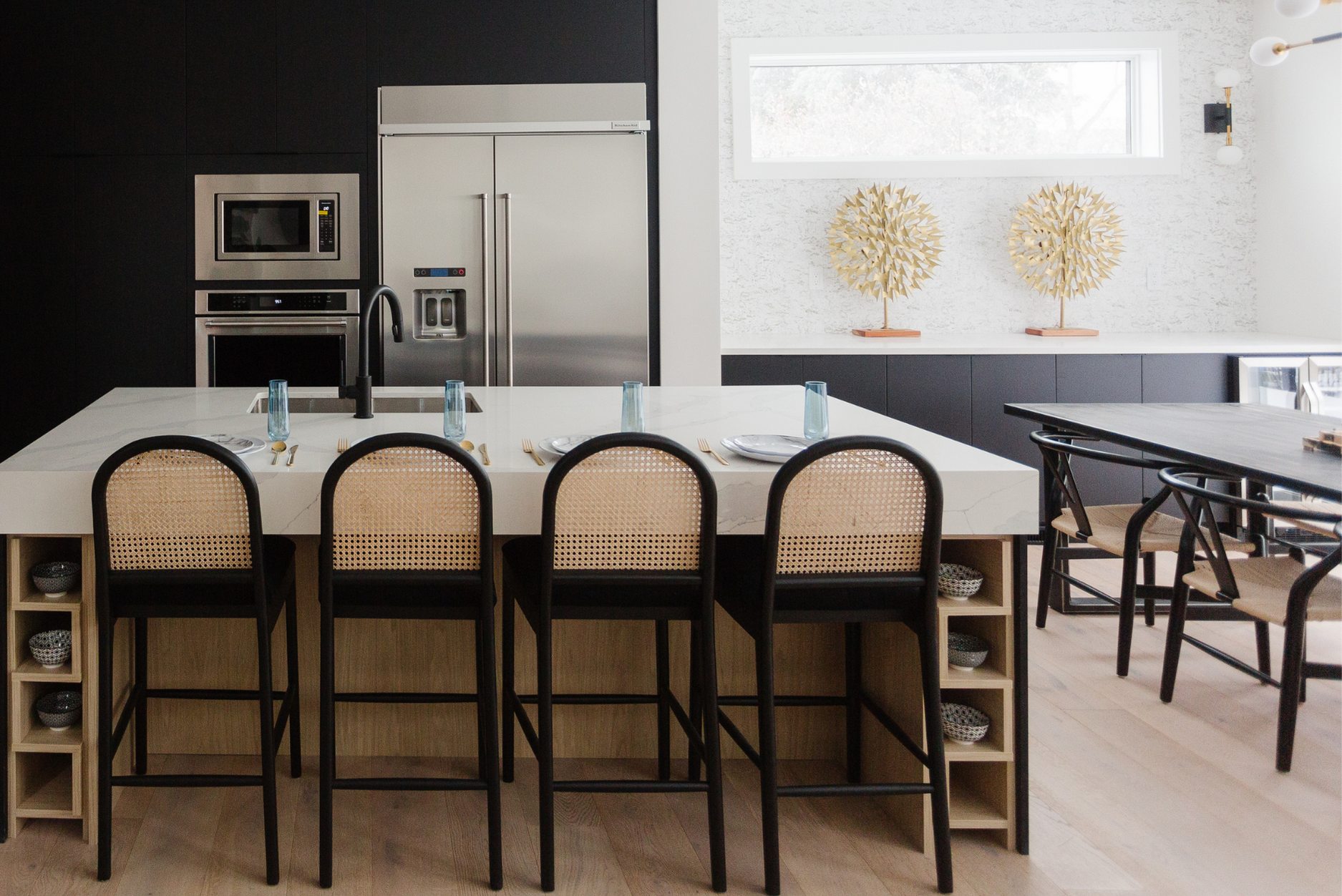
In kitchens, functionality meets restraint. Clean cabinetry, concealed storage, and natural finishes work best, serving to both adhere to the principle of simplicity while helping reduce visual clutter in the process. Dining spaces should feel welcoming but uncluttered, with solid wood tables and simple seating. Consider:
Clean, simple cabinetry to keep the kitchen visually quiet and timeless
Integrated appliances and hidden storage to help maintain the clean lines
Natural wood, stone, and matte finishes to add depth without overwhelming the space.
Bathrooms
Japanese-inspired bathrooms feel spa-like and restorative. Natural stone, wood accents, or textured tile bring warmth and tactility into the space, while fixtures with clean silhouettes and understated finishes that feel timeless rather than trendy. Focus on:
Natural stone or wood accents
Thoughtful, simpler fixtures
Soft, warm lighting
Keeping surfaces clutter-free
Clutter-free surfaces are essential for maintaining a sense of tranquillity.
Designer Tips
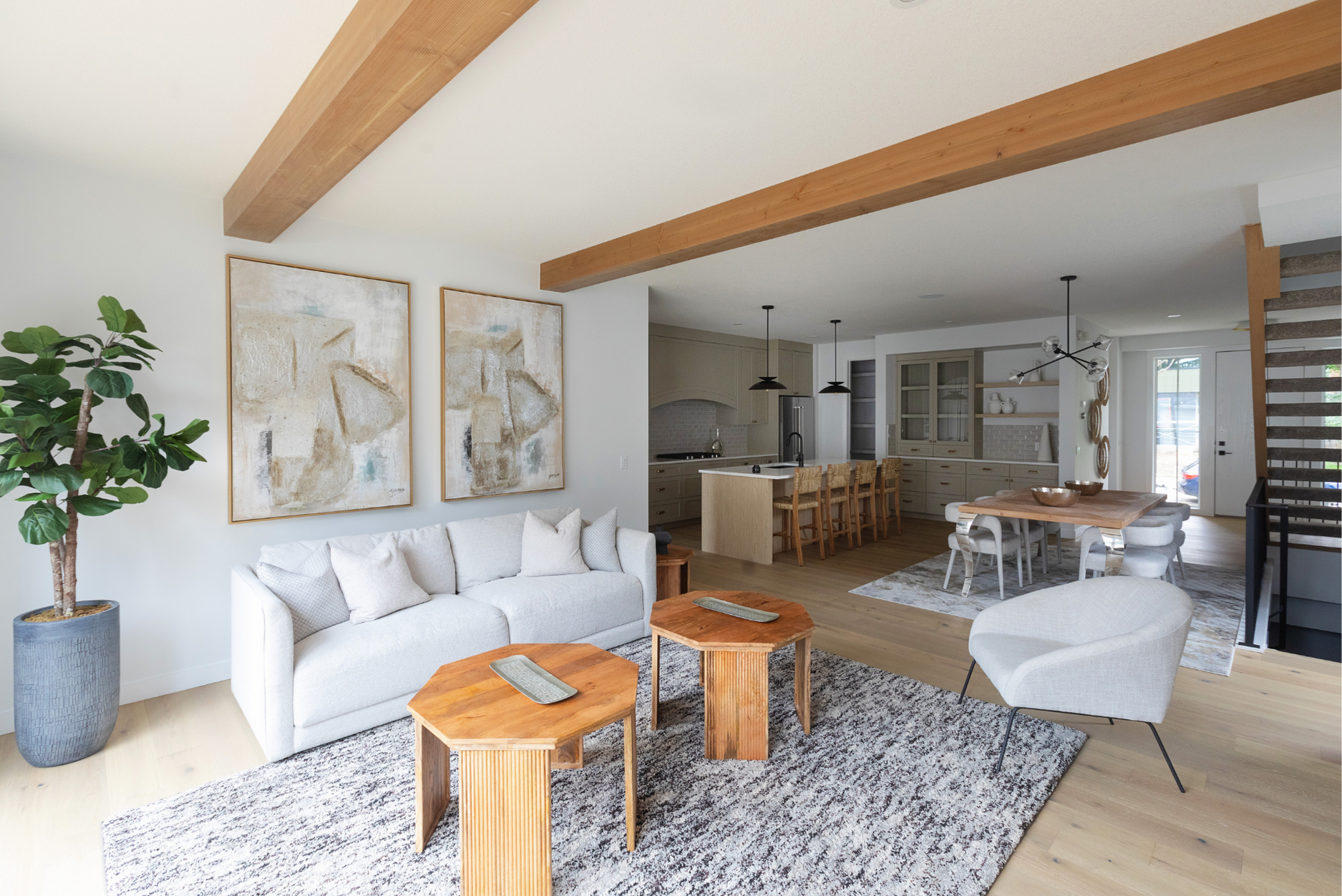
While Japanese interior design principles are rooted in tradition, they can be easily interpreted to suit modern lifestyles and Western homes. Below are expert insights from our design team on applying these ideas successfully.
Embrace Imperfection
Wabi sabi is a cornerstone of Japanese interior design, celebrating imperfection, impermanence, and authenticity, qualities that are often missing in overly polished interiors.
Rather than striving for perfection:
Choose handmade or irregular items
Allow materials to age naturally
Appreciate patina, wear, and subtle flaws
This philosophy creates spaces that feel lived-in, warm, and emotionally resonant.
Selecting Materials, Finishes, and Fixtures
When selecting finishes for a Japanese-inspired home, restraint is key. Choose fewer materials, but choose them well.
We recommend:
Matte or honed finishes over glossy ones
Natural stone with visible variation
Wood grains that feel organic rather than uniform
Fixtures with simple forms and soft finishes
Warm and diffused lighting that mimics natural light enhances the sense of calm.
Incorporating Traditional Architectural Elements Into Modern Homes
You don’t need a traditional Japanese house to incorporate these design elements. Subtle architectural references can be integrated into contemporary homes, with beautiful results.
Consider:
Shoji screen-inspired sliding doors or room dividers
Built-in millwork with clean lines
Open layouts with defined zones instead of walls
Natural wood ceiling details or beams
These elements add character without feeling themed or overly literal.
Storage Solutions the Japanese Way
Smart storage is essential in Japanese interior design. Instead of displaying everything, storage is integrated seamlessly into the architecture of the home.
Consider:
Built-in cabinetry
Hidden storage benches
Minimal open shelving
This approach keeps spaces visually calm while still being highly functional—ideal for modern family homes.
Common Mistakes to Avoid with Japanese Interior Design
While Japanese interior design may appear simple, there are a few common pitfalls to avoid. These include:
Making the space feel cold or empty rather than calm
Overdoing minimalism without warmth
Choosing decor that feels themed or inauthentic
Balance is key. Japanese interiors should feel inviting, not stark.
Confusing Minimalism with Emptiness
Minimal doesn’t mean bare. Removing too much can make a space feel cold or unfinished instead of calm and intentional. Balance restraint with warmth through texture and natural materials.
Overdecorating with “Japanese-Style” Objects
Using too many themed accessories, such as decorative fans or overly literal motifs, can make a space feel inauthentic. Japanese interior design relies on subtlety, not symbolism.
Ignoring Function in Favour of Aesthetics
Every element in a Japanese interior should serve a purpose. Prioritizing looks over usability disrupts the balance between beauty and function that defines the style.
Overlooking Storage and Organization
Clutter quickly breaks the sense of calm. Without smart storage solutions, even the most well-designed Japanese interior can feel chaotic.
Chasing Perfection Instead of Embracing Wabi Sabi
Perfect symmetry and flawless finishes contradict the wabi sabi philosophy. Embrace imperfections, patina, and handmade qualities for a more authentic result.
Using the Wrong Materials or Finishes
Glossy, synthetic, or overly polished finishes can clash with the natural, tactile quality of Japanese interiors. Opt for matte, organic materials whenever possible.
Forgetting the Importance of Light
Lighting is often overlooked, yet it plays a critical role. Harsh or overly bright lighting can undermine the calm atmosphere Japanese interior design aims to create.
Mixing Too Many Styles at Once
While Japanese interior design pairs well with other aesthetics, over-mixing can dilute its impact. Choose one dominant style and layer in others thoughtfully.
How Japanese Interior Design Works in Canadian Homes
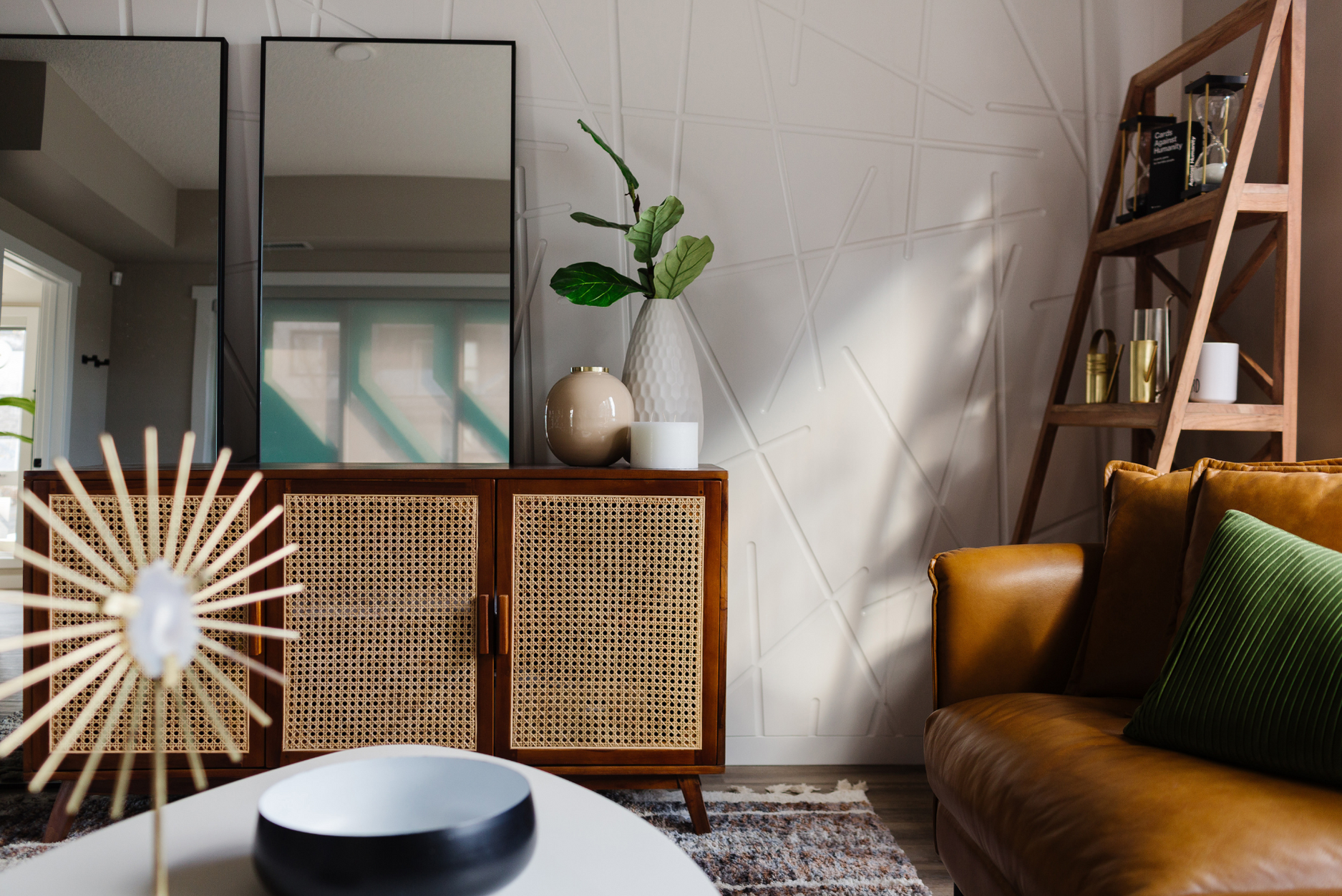
Japanese interior design adapts beautifully to Canadian lifestyles. In Edmonton homes, we often blend Japanese principles with practical considerations, like insulation, seasonal lighting, and family living.
By adapting (not copying) Japanese interior design, we can create spaces that feel timeless, functional, and uniquely their own.
Traditional vs. Modern Japanese Design
Traditional Japanese interiors are rooted in historical architecture and cultural practices. Tatami mats, shoji screens, and floor seating define these spaces, along with a strong emphasis on symmetry and ritual.
Modern iterations, on the other hand, blend these principles with contemporary materials, layouts, and technology. Clean lines, open-concept spaces, and minimalist furniture make the style more adaptable to modern living.
Both approaches share the same foundational values of simplicity, nature, and intention.
What is Japandi?
Japandi is an interior design principle that fuses Japanese and Scandinavian aesthetics. It combines the warmth and functionality of Scandinavian design with the minimalism and philosophy of Japanese interior design.
Key characteristics of Japandi include:
Neutral, earthy colour palettes
Natural materials and textures
Functional, beautifully crafted furniture
A balance between warmth and restraint
Japandi interior design works best when both influences are balanced. Combine Japanese restraint with Scandinavian warmth using natural woods, cozy textiles, and simple forms. This style is especially popular in Canadian homes, as it offers coziness without clutter, perfect for creating calm, livable spaces year-round.
What’s Right For My Home?
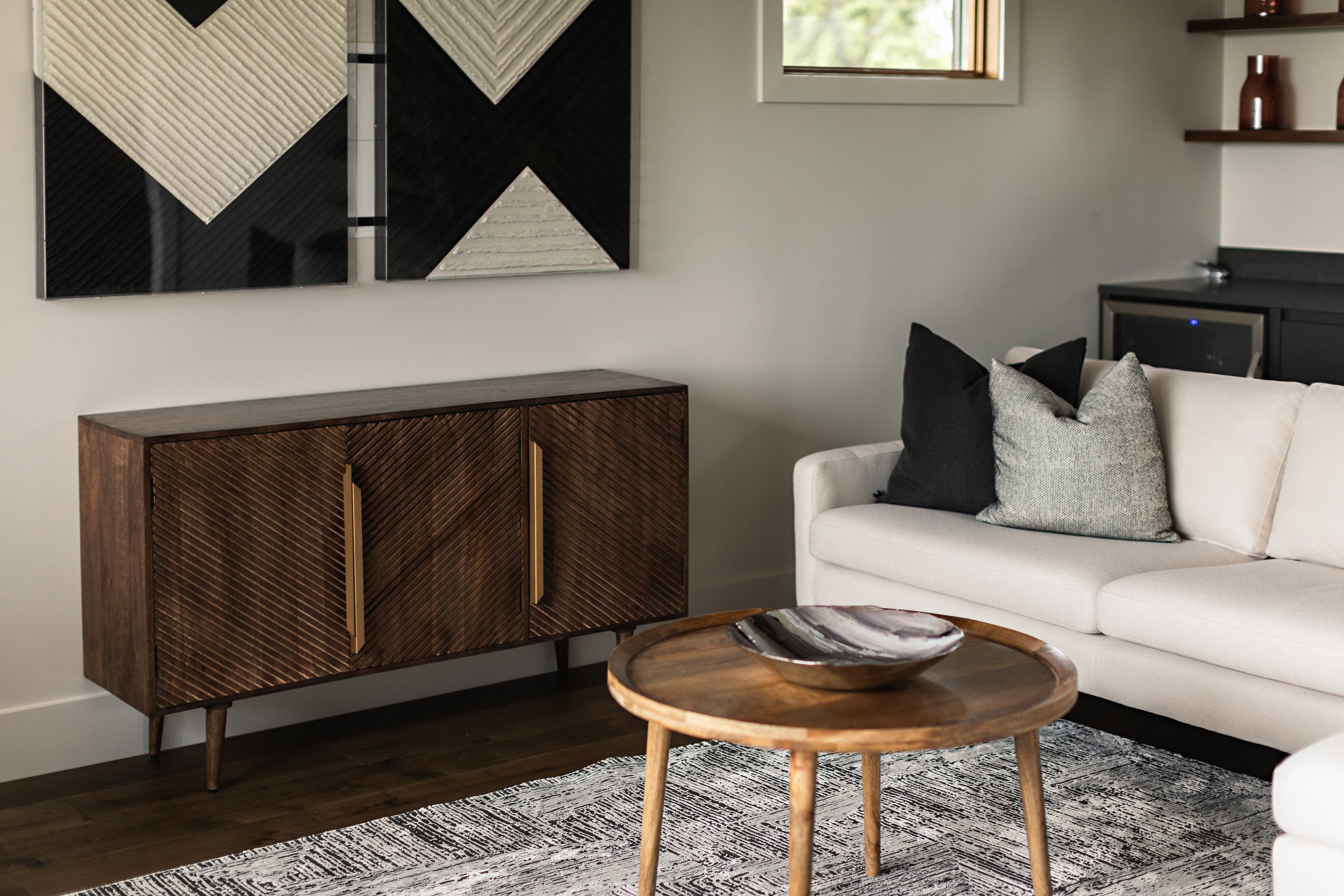
Choosing how to incorporate Japanese design into your home depends on your lifestyle, architecture, and personal preferences. Some homeowners prefer a subtle influence, while others embrace a more immersive aesthetic.
It isn’t about rigid rules, but rather about creating a home that supports balance, clarity, and comfort. With thoughtful planning and expert guidance, these principles can be beautifully incorporated into Edmonton homes (and beyond).
If you’re ready to explore Japanese interior design ideas tailored to your space, our experienced design team is here to help you create a home that feels both timeless and deeply personal.
Working with a Designer to Achieve a Japanese-Inspired Home
While Japanese interior design values simplicity, achieving it thoughtfully often requires professional guidance. A designer can help balance minimalism with comfort, select the right materials, and tailor Japanese interior design ideas to your lifestyle and home layout.
From space planning to custom millwork and finish selection, working with an experienced design team ensures the final result feels cohesive, intentional, and effortless.