What is Wabi-Sabi Interior Design?
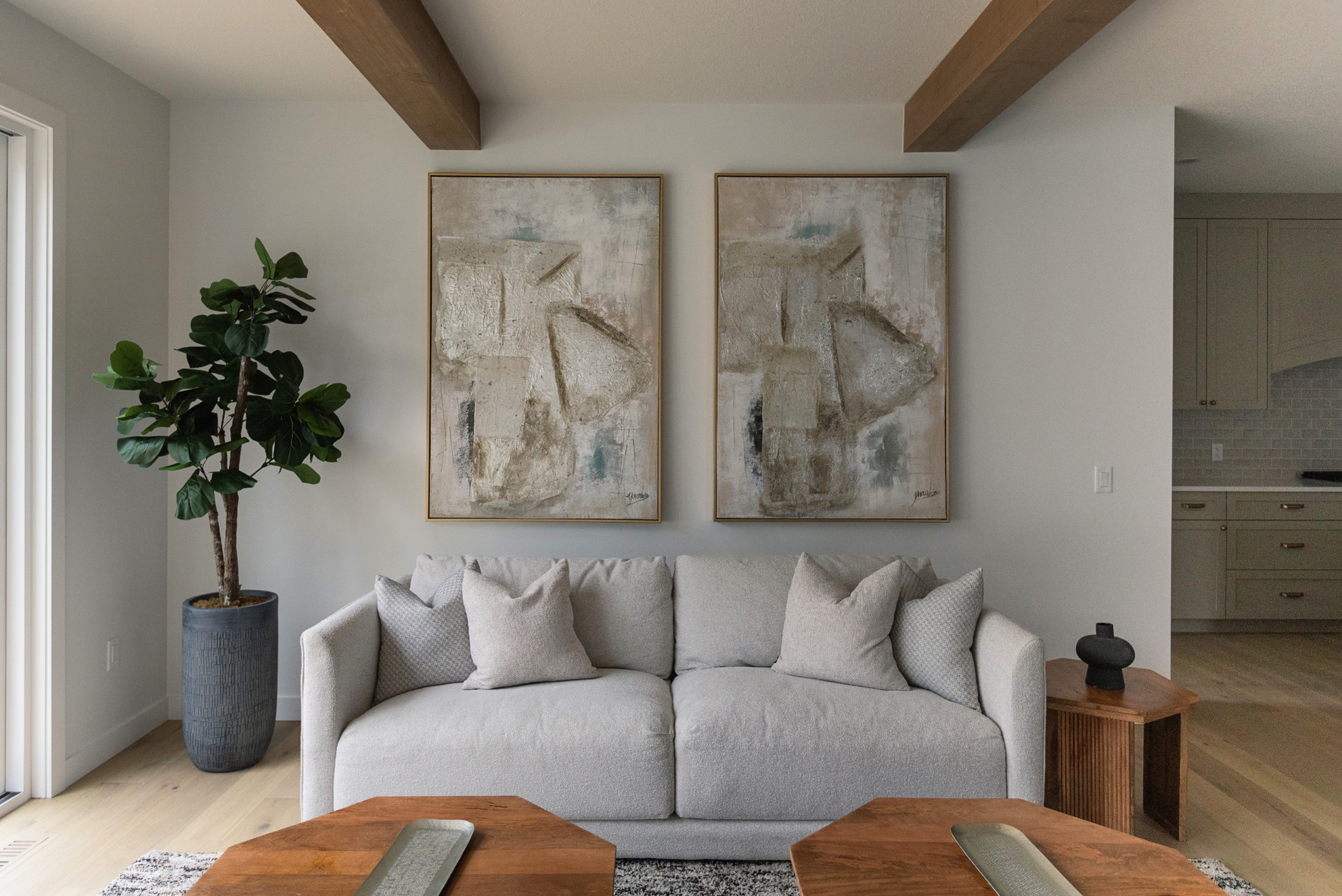
So you want your home to feel calm, lived in, and naturally beautiful. If you’ve been wondering what is wabi-sabi interior design and why it’s become such a big trend, you’re definitely not alone. This Japanese-inspired approach is all about appreciating imperfections, earthy materials, and the charm of things that feel authentic rather than polished. Wabi-sabi creates a space that feels peaceful without trying too hard, and in a world that moves fast, that’s exactly why so many homeowners are drawn to it.
The Heart of the Wabi-Sabi Philosophy
Wabi-sabi meaning is rooted in simplicity, humility, and appreciating what’s real. Instead of chasing perfect rooms, this interior design style leans into organic shapes, textures, and finishes that show character. You’re meant to notice patina, imperfect edges, and handmade pieces because they add warmth and honesty to the room. When you bring wabi-sabi into your home, you’re welcoming stillness and presence, making the space feel soothing and intentional.
This mindset is closely connected to Japanese interior decoration, where thoughtfully chosen elements create harmony. A Japanese style sitting room is a perfect example, with low furniture, open layouts, and quiet details that make the room feel balanced. It’s less about decorating and more about creating an environment that supports your everyday life.
Wabi-Sabi vs Japandi: What’s the Difference?
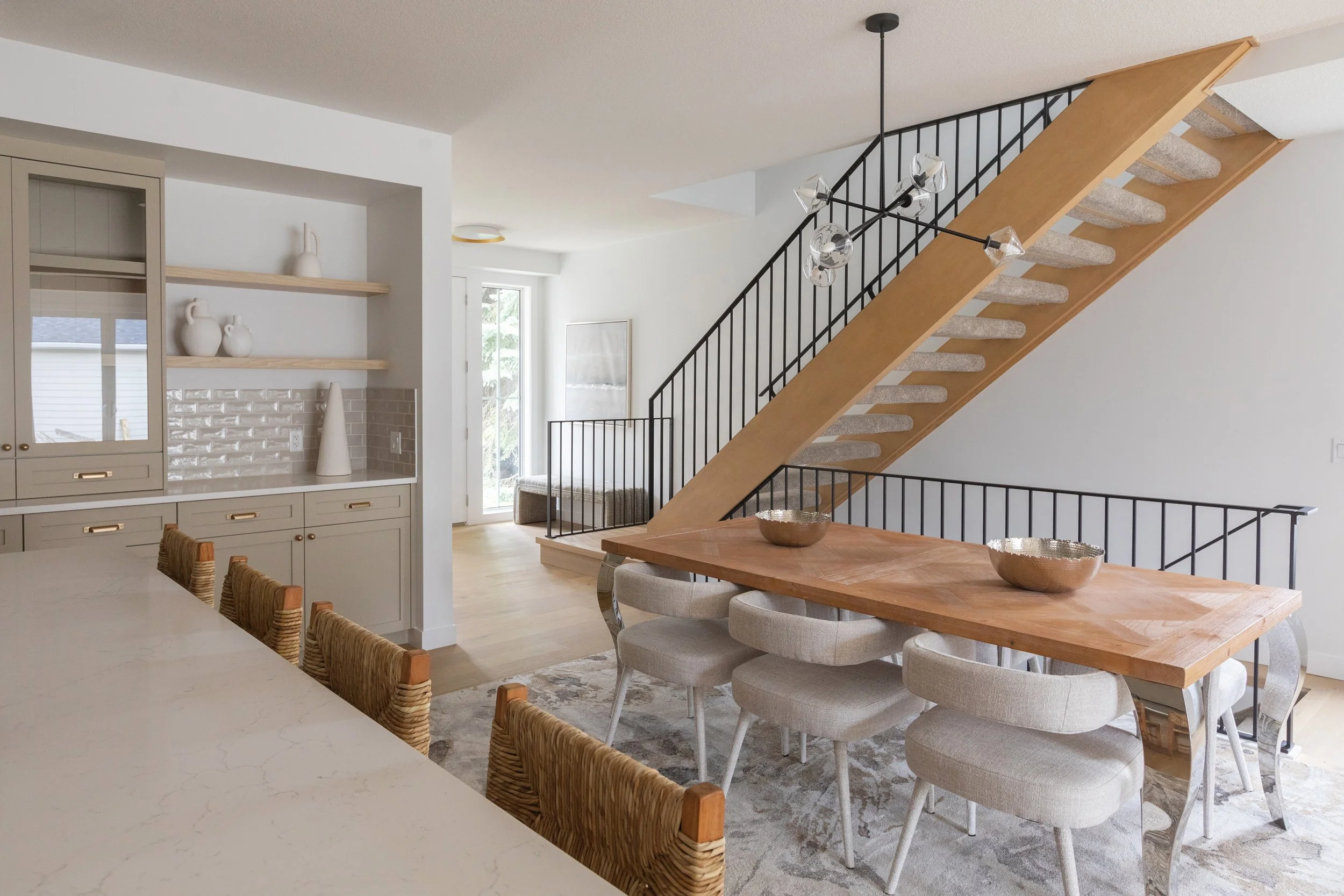
If you’ve heard of Japandi or noticed the rising popularity of Japandi interior design, you might wonder how it compares. Japandi blends Japanese minimalism with Scandinavian warmth. Think clean lines, light wood, and uncluttered spaces with a cozy twist. Wabi-sabi, on the other hand, is softer and more organic. It celebrates the rough edges, the aging surfaces, and the beauty found in natural imperfections.
Both interior design styles share a love for simplicity and nature, which is why many people mix elements of Japandi design and wabi-sabi. But wabi-sabi leans more into emotional warmth and the poetry of everyday living, while Japandi focuses on functional minimalism and streamlined comfort.
Key Elements of Wabi-Sabi Style
When people first look into wabi sabi interior design, they’re often surprised by how approachable it is. You don’t need a huge budget, a professional artist, or a full remodel to get started. It’s more about shifting your perspective and choosing pieces that feel meaningful rather than trendy.
In wabi-sabi interior design, you’ll see earthy colours, raw textures like linen and clay, and pieces with visible craftsmanship. Wabi sabi decor rarely looks brand new, yet it always feels intentional. The style encourages you to mix materials such as aged metal, worn wood, textured ceramics, and soft fabrics. The goal isn’t perfection; it’s comfort, grounding, and a sense of peace when you walk in the door.
What is Wabi-Sabi Interior Design in Today’s Homes?
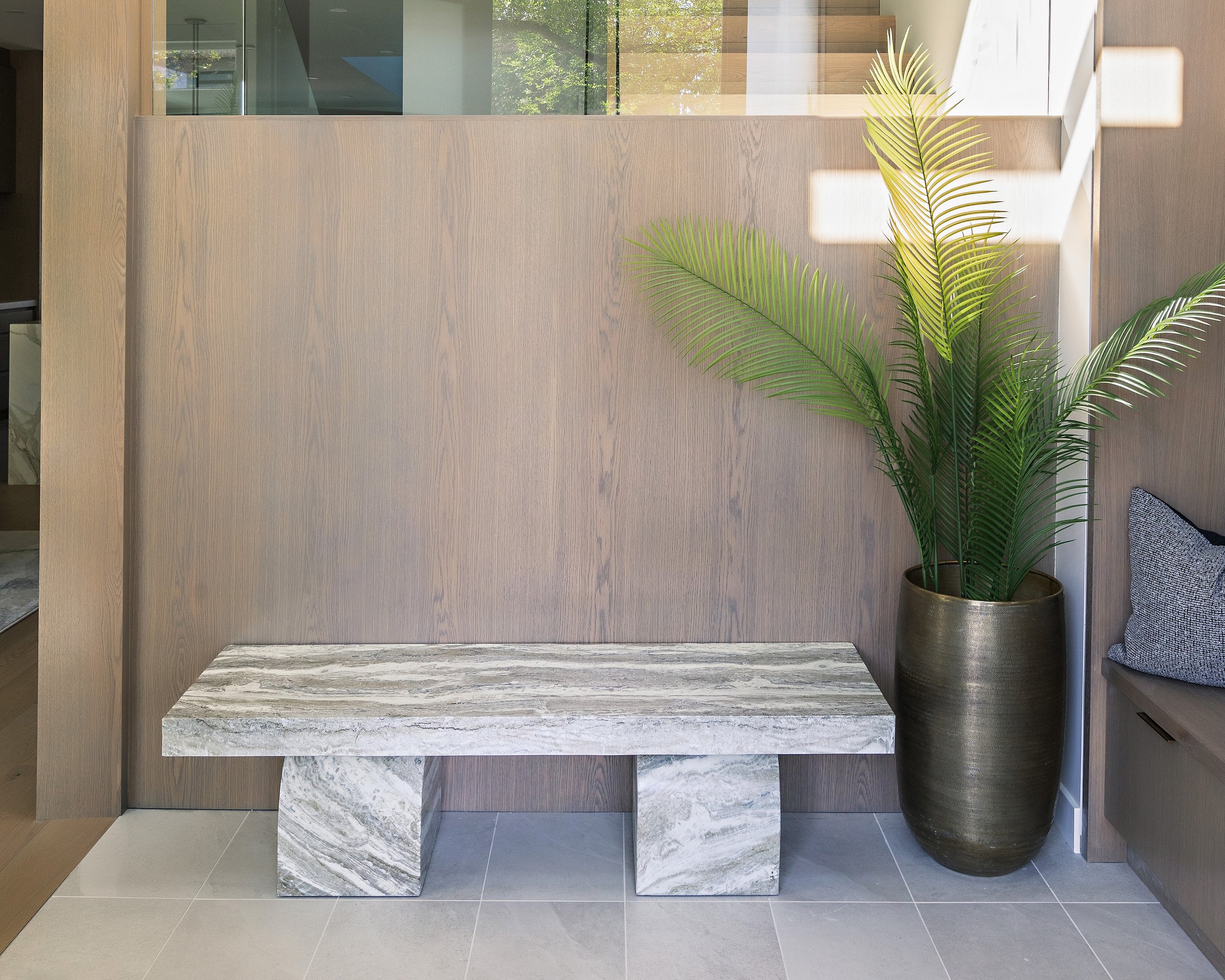
Now that this Japanese style is trending again, more homeowners are exploring Japanese design in modern spaces. Today’s interpretation keeps the core values but updates them with contemporary layouts and materials. You can blend wabi-sabi with modern architecture, open-concept living, or even urban condos because the philosophy is flexible and personal.
You’ll often see the style used in living rooms, bedrooms, and dining areas, where atmosphere matters most. Some interior designers also combine Japanese wabi sabi ideas with Scandinavian and modern elements, creating relaxed spaces that still feel current. As a professional Edmonton interior designer team, we believe it works beautifully in both new builds and renovations because it adapts so well to different layouts and materials.
How to Bring Wabi-Sabi Into Your Home
If you’re ready to try wabi sabi design or wabi sabi interior design, start small. Replace overly polished pieces with materials that feel warm and natural. Worn wood, handmade ceramics, textured fabrics, and simple decor pieces go a long way. Look around your home and identify areas where things feel too busy or over-styled. Clearing clutter instantly shifts the vibe toward wabi-sabi, and it costs nothing.
When decorating, choose items with visible craftsmanship. Pieces that aren’t perfectly symmetrical or smooth bring character. This doesn’t mean your home will look messy; instead, it becomes more grounded and welcoming. This style pairs beautifully with neutral palettes, organic shapes, and soft lighting that mimics natural sunlight.
You can experiment with wabi sabi style by adding linen curtains, raw pottery, aged wood stools, and decor that tells a story. Whether you have a modern condo or a traditional home, this approach blends in without feeling forced.
Final Thoughts on Wabi-Sabi Interior Design
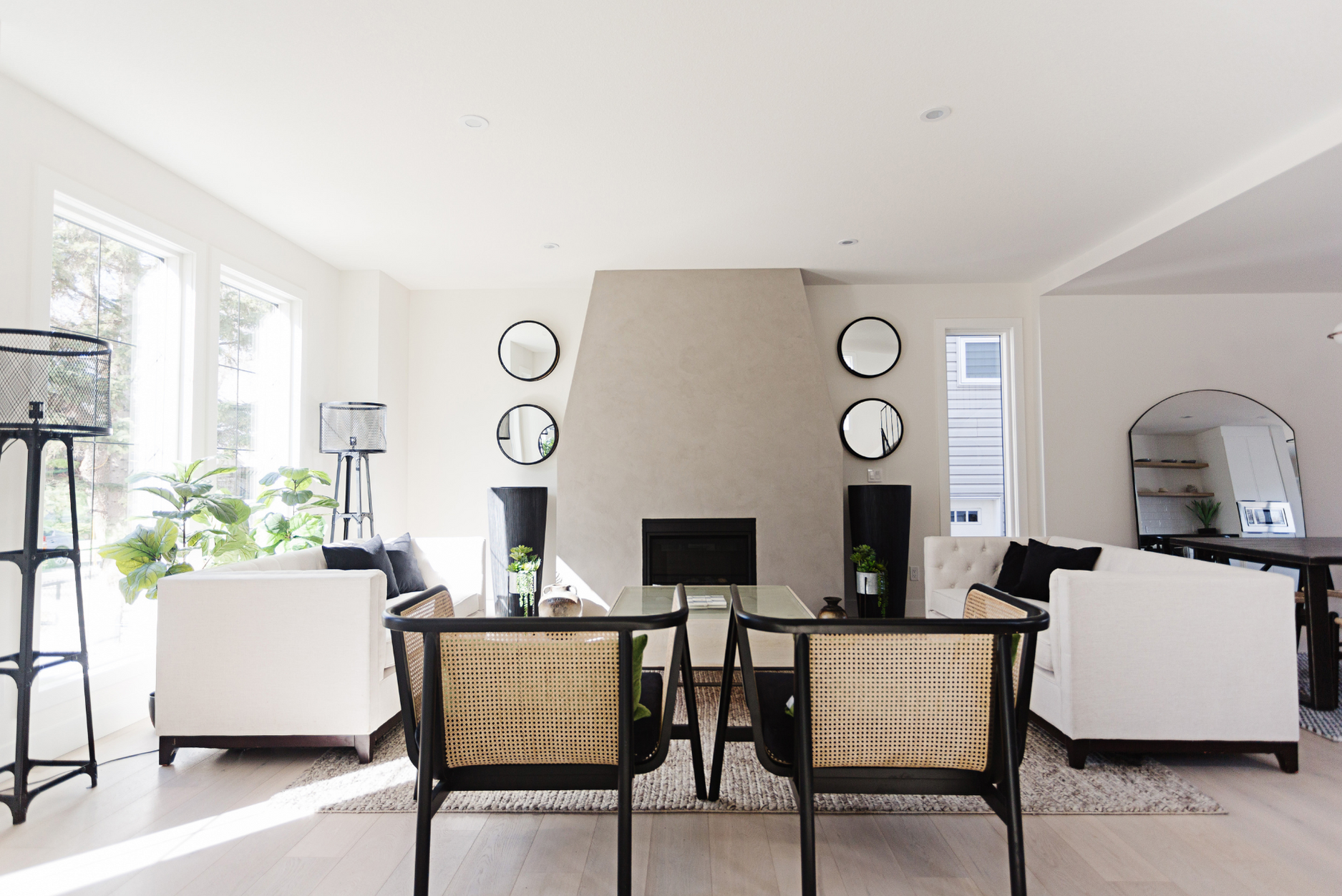
So, to wrap it all up, wabisabi is less about making your home look a certain way and more about creating a space that feels lived in and peaceful. It embraces authenticity, aging, and the beauty found in natural materials. Once you shift your mindset and start noticing these details, the whole style becomes easier to integrate.
Whether you’re mixing wabi-sabi with Japandi, bringing in meaningful handmade pieces, or simply letting your home breathe a bit more, you’ll end up with a space that feels good to come home to. And really, that’s the heart of wabi-sabi: finding beauty in the real, the simple, and the perfectly imperfect.