
Luxury Interior Design Trends in 2026
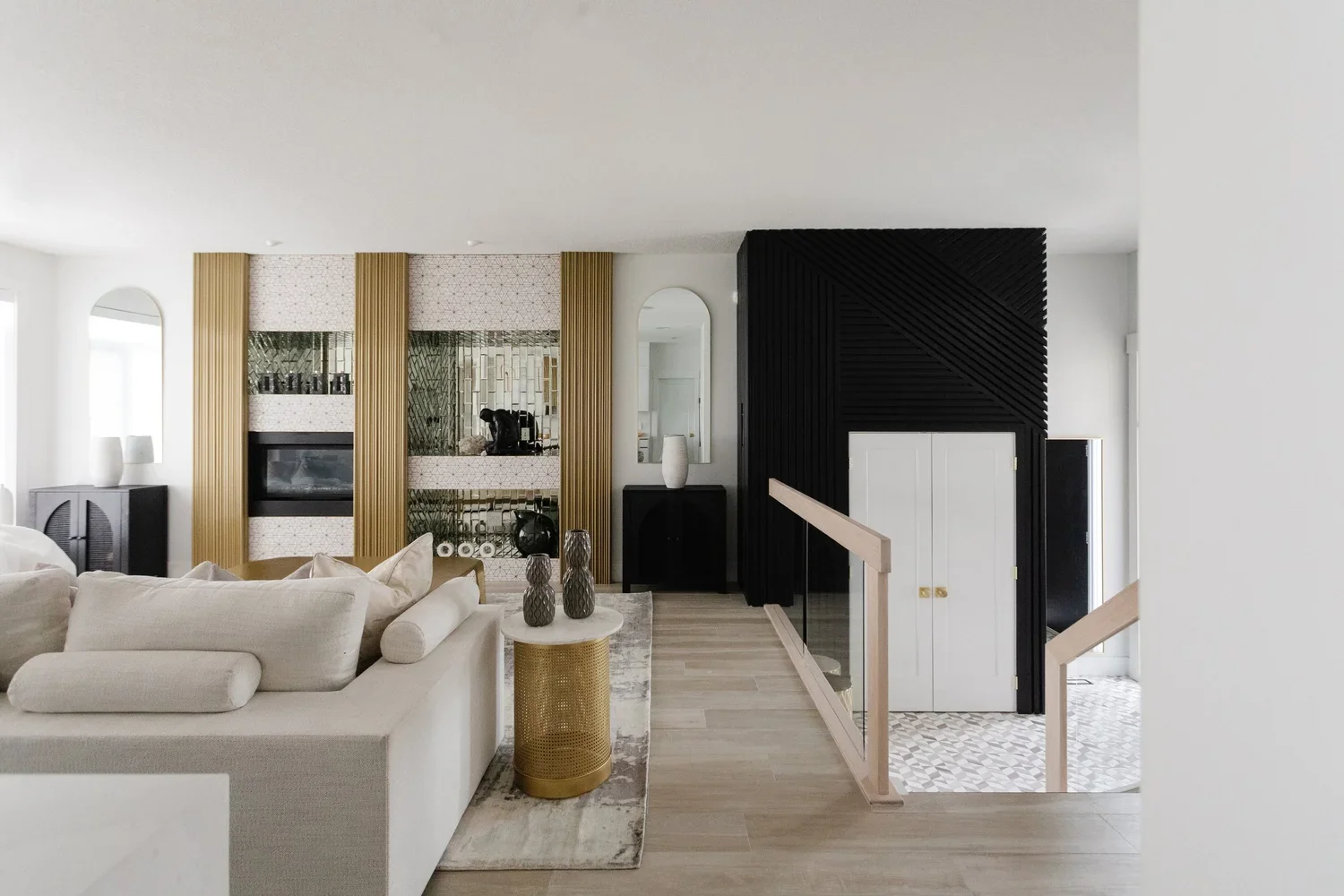
Luxury interior design in 2026 is defined by the convergence of beauty and livability, where every material, proportion, and detail is chosen with purpose rather than for effect alone. The distinction lies not in expenditure, but in the quality of every decision made. This article covers the core principles, emerging trends, and the thinking that shapes truly exceptional interiors right now, drawing on the expertise of Aness Handous, founder and lead Edmonton interior designer at Tailored Interior and a multi-award winner at The International Design & Architecture Awards in London.
What is Luxury Interior Design?
Luxury interior design is the art of creating spaces that are as functional as they are beautiful, where every material, proportion, and detail is chosen with purpose. It goes well beyond luxury home decor. True luxury is built on spatial harmony, bespoke craftsmanship, and a cohesive design language that reflects the people who live there.
According to Grand View Research, the global interior design market was valued at approximately USD 185 billion in 2025, with the high-end segment driving much of that growth.
What separates luxury from simply expensive is quality of thought. A high-end interior can express itself through any number of design styles: from restrained contemporary to richly layered traditional. As long as the execution is deliberate, refined, and built to be lived in beautifully.
The Core Principles That Define High-End Interiors
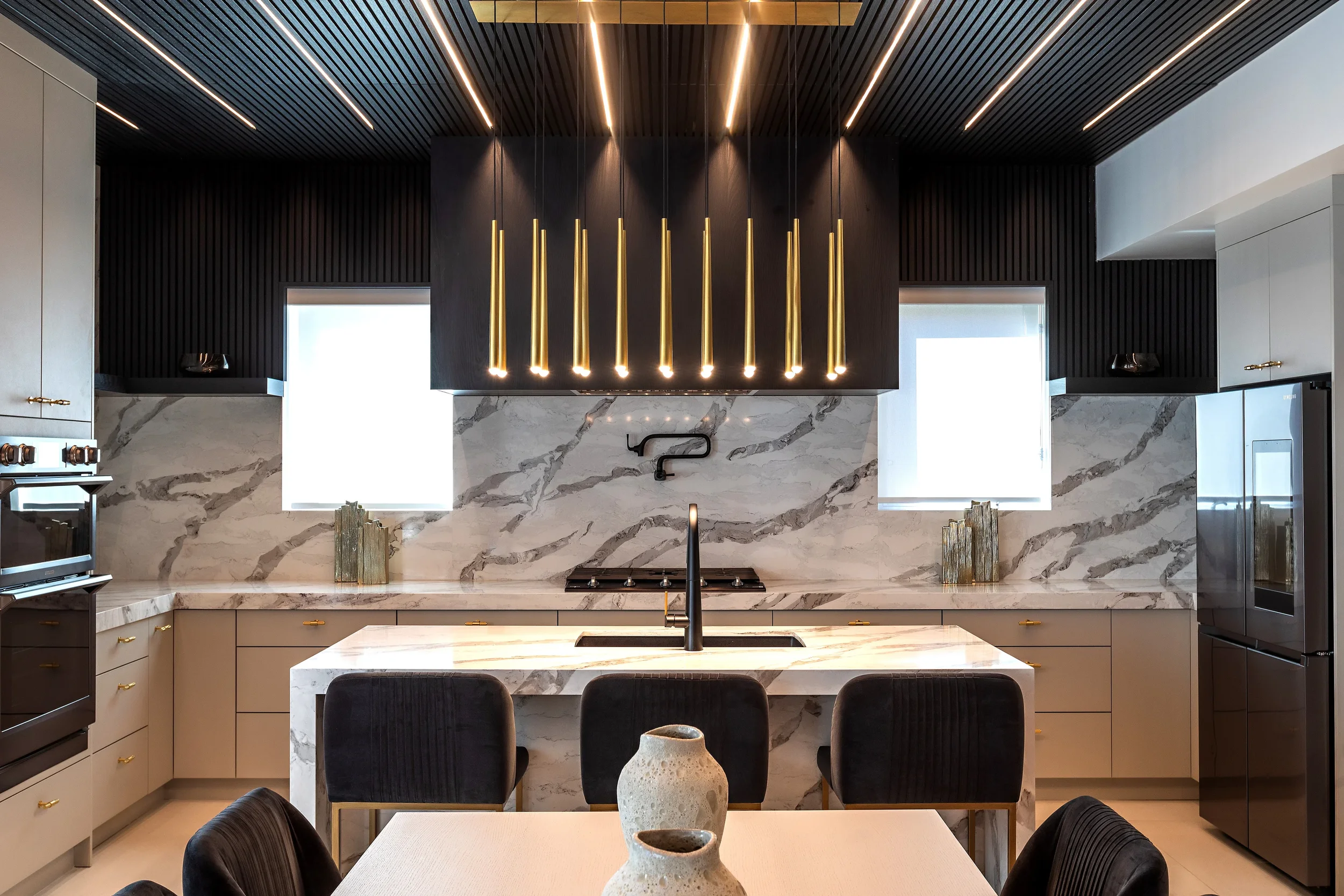
Luxury interiors are built on a clear set of principles. Understanding them makes the difference between a space that costs a great deal and one that genuinely delivers.
Quality of Materials Over Quantity
The materials most associated with luxury interiors include honed marble, aged brass, bouclé, hand-knotted wool, and natural stone, chosen because they age beautifully and engage the senses in ways synthetic alternatives cannot.
Value of Bespoke Elements
Custom millwork, built-in cabinetry, and statement lighting fixtures are the markers of a truly considered home. In Aness Handous's practice, achieving high-end results means investing in statement lighting, incorporating fine materials, and sourcing rare, one-of-a-kind furnishings that anchor the rest of the space. This principle is reflected across Tailored Interior's residential portfolio, from show homes to large luxury residences like Villa 83.
Layered Texture and Colour Palette
Luxury achieved through fabric, finish, and form rather than pattern alone.
Scale and Proportion
Furniture that fits the room correctly, so nothing competes and nothing disappears.
Discipline of Negative Space
What's left out is just as important as what's included. Architectural detailing — from wall moulding to custom millwork — gives that restraint visible form.
Luxury Interior Design Trends to Watch in 2026
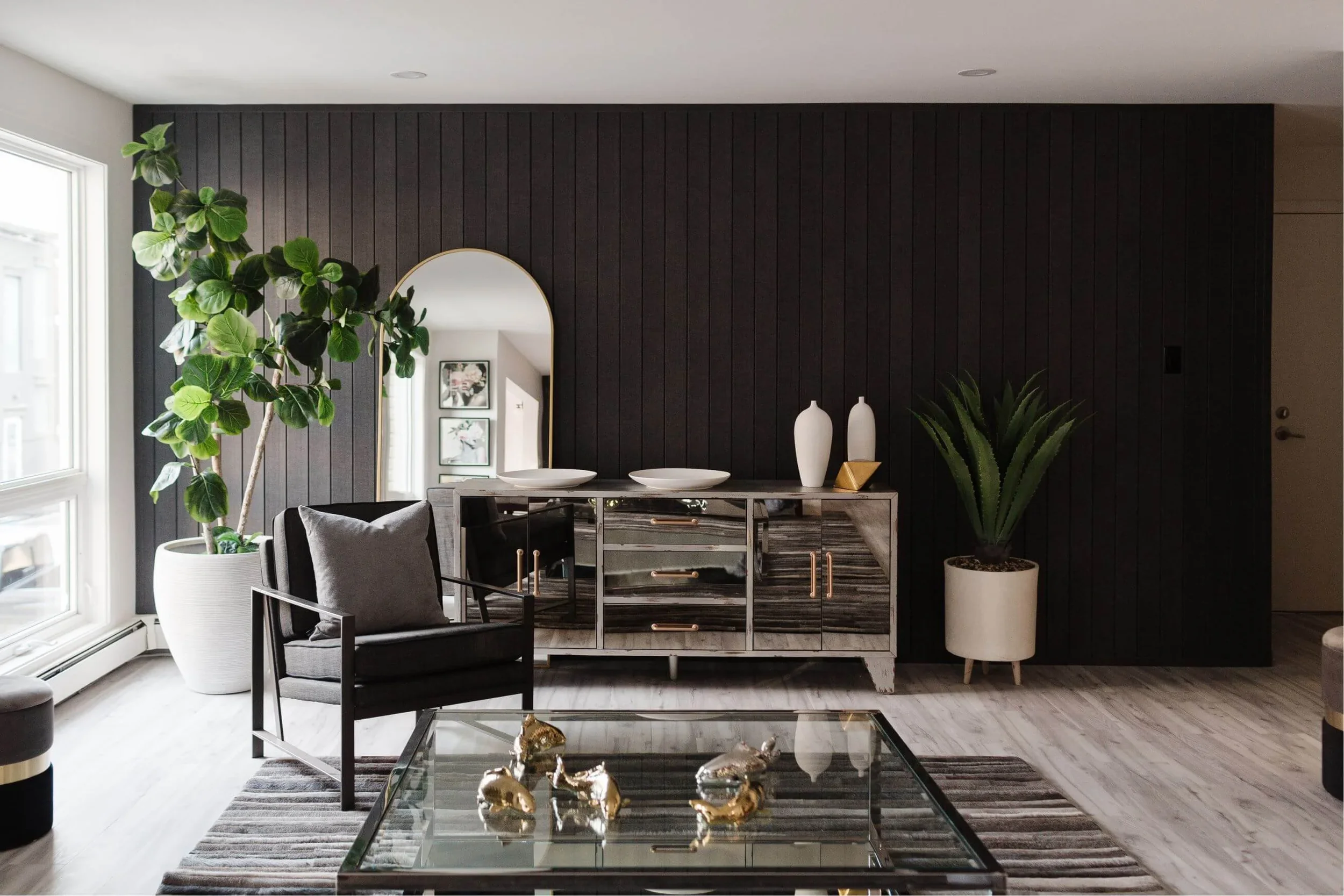
The luxury design trends shaping 2026 reflect a broader shift in values: toward spaces that are beautiful, considered, and built to last.
Sustainable luxury interior design leads this shift. Reclaimed wood, organic textiles, and low-impact manufacturing methods are now expected by discerning clients rather than being treated as optional. Sustainability no longer means compromise; it means craft.
The quiet luxury movement continues to gain ground: understated palettes, tonal layering, and restraint over maximalism. It's a sensibility that aligns with Tailored Interior's own design philosophy: spaces that communicate confidence through precision rather than volume.
Smart home technology integration is also maturing, with systems now embedded invisibly into architecture rather than retrofitted as an afterthought. Warmer neutrals, curved furniture silhouettes, and richly tactile surfaces round out the picture, marking a return to warmth after years of clinical minimalism.
Applying Luxury Design Principles Across Different Spaces
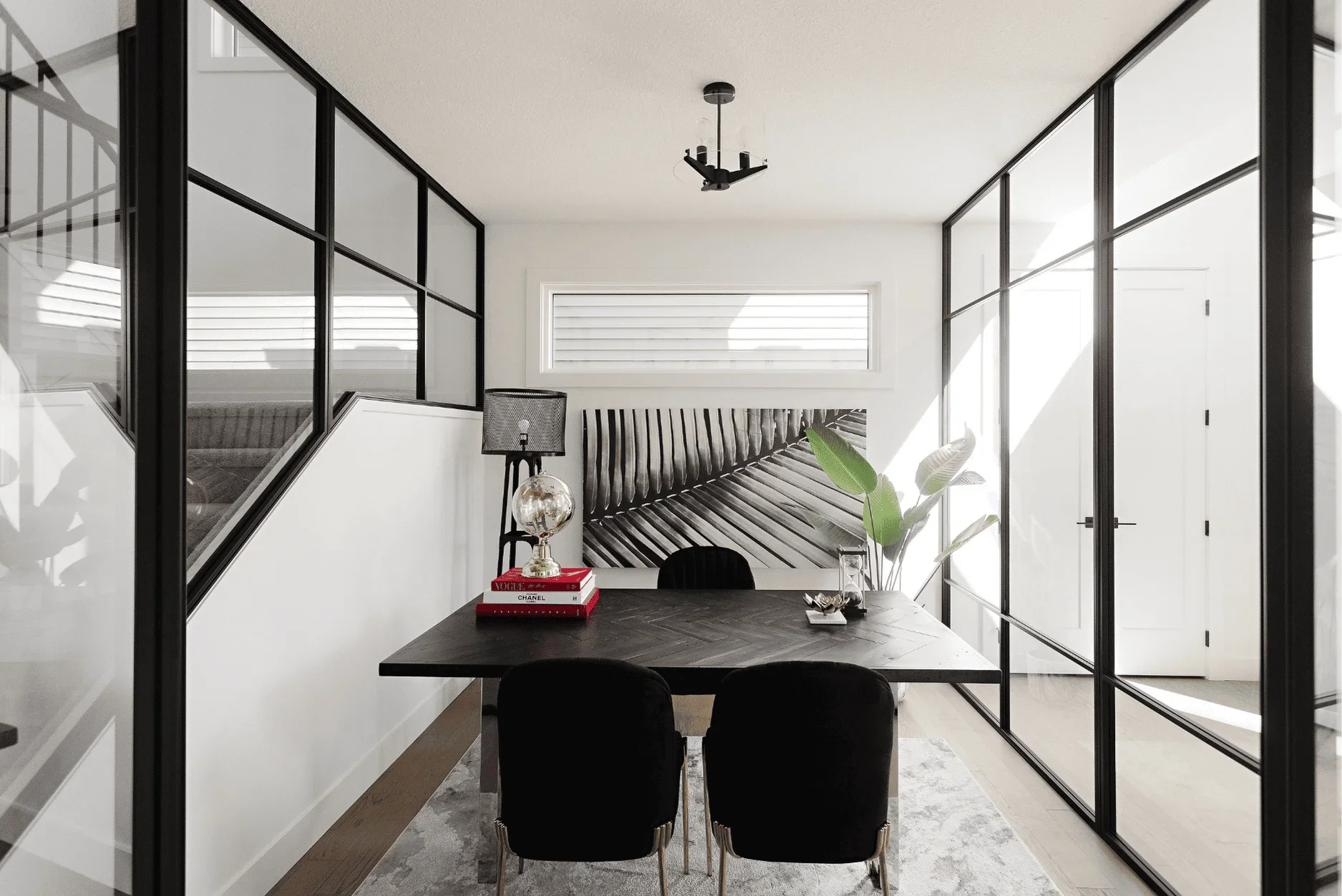
Luxury isn't reserved for large residential projects. Some of the most considered work in high-end residential design comes from working within constraints.
For luxury apartment and condo interiors, the principles remain the same: tighter editing, furniture scaled to the room, mirrored surfaces used with restraint, and a curated material palette that creates cohesion across a compact floor plan. The guiding principle is straightforward: luxury is never about volume. It's about investing in fewer, better pieces and editing everything else.
Home office interior design has become one of the most requested briefs in luxury residential work. A well-designed home office moves well past utilitarian: integrated storage, a statement desk, properly layered lighting, and a sophisticated colour palette all contribute to a space that performs professionally and looks considered.
What to Expect Working With a Luxury Design Firm
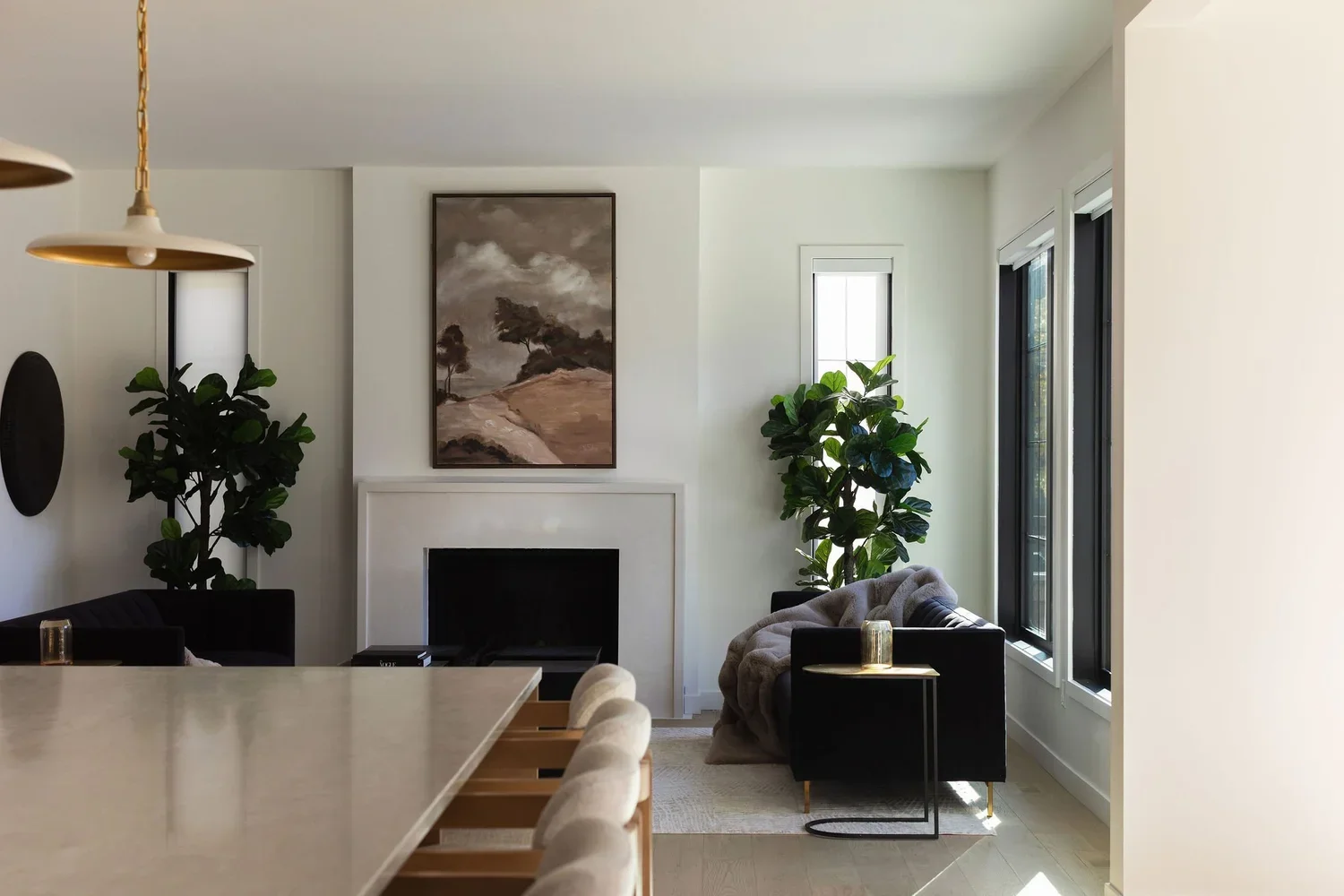
Working with a full-service luxury design firm is a structured, collaborative process. It's substantively different from hiring a general design service.
At Tailored Interior, the process moves from initial consultation through concept development, material sourcing, project management, and final installation, all handled by one in-house team. Led by Aness Handous, a multi-year winner at The International Design & Architecture Awards and a regular design expert on CTV Morning Live Edmonton, the studio brings the same standard of execution to every brief: whether that's quiet restraint or richly layered maximalism.
What sets a luxury residential interior design practice apart is access to exclusive suppliers, the ability to manage complex projects end to end, and the expertise to translate a client's vision into a space that exceeds expectations. Ongoing access to that expertise, across furnishing decisions, material selections, and site coordination, is a core part of what a full-service design engagement delivers.
The goal is always a space that feels complete, intentional, and built around the people in it.
Key Takeaways
Luxury interior design is defined by intentional curation, bespoke craftsmanship, and spatial harmony, not price alone.
Materials defining luxury interiors in 2026, like marble, aged brass, bouclé, and natural stone, are chosen for sensory quality and longevity.
The interior design trends defining 2026 include sustainable luxury, quiet luxury, smart home integration, and a return to warmth and tactility.
Luxury principles apply equally to condos, apartments, and home offices. Editing and proportion matter more than square footage.
A full-service luxury design firm manages every phase from concept to installation, with a structured process designed to translate each client's vision into a space that is refined, considered, and deeply personal.
Ready to bring your luxury design vision to life? Book a free consultation with Aness Handous and the Tailored Interior team.