
Small Open Concept Kitchen and Living Room Ideas
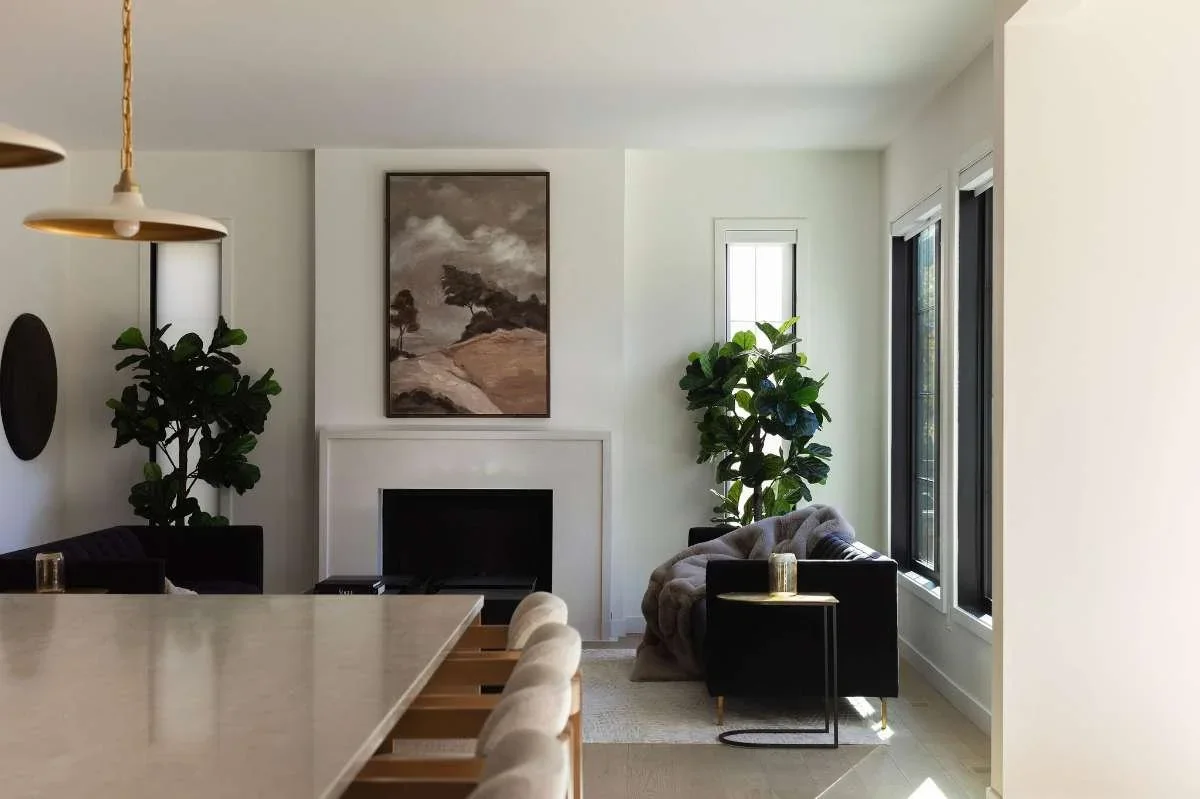
The most effective way to make a small open concept kitchen and living room work is to treat both spaces as a single unified design system, because they are. Removing the wall is only the beginning. What determines whether the result feels intentional or unfinished is the spatial strategy applied across zone definition, material selection, furniture scale, and lighting before a single piece is purchased or a surface is touched.
At Tailored Interior, Edmonton interior designer Aness Handous, a multi-year winner at The International Design & Architecture Awards in London and a regular design expert on CTV Morning Live Edmonton, approaches every open-plan project with that principle at the centre. The decisions made in the planning phase determine how a space lives for years. This guide covers what the layout requires, why it matters in a compact home, and the practices that separate a successful open-plan space from one that simply feels undefined.
What Makes an Open Concept Kitchen and Living Room Work in a Small Home
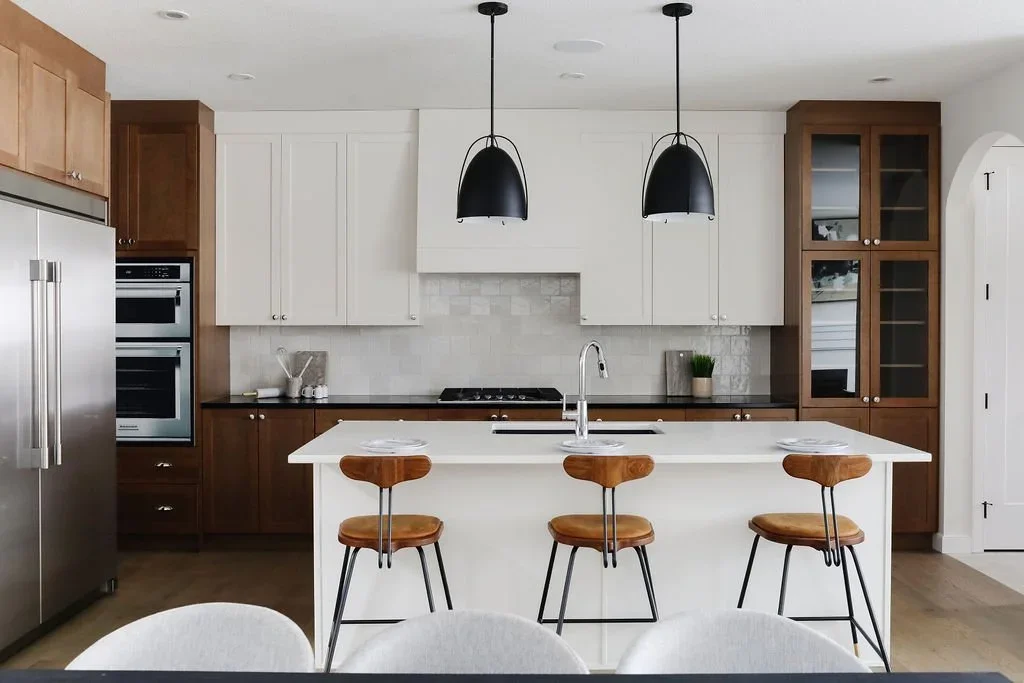
An open concept kitchen and living room is a layout where both spaces share a single, continuous floor plan without a full dividing wall between them. In smaller homes and condos, this configuration is particularly valuable because it eliminates the tightness that enclosed rooms create when square footage is limited.
The logic is straightforward: shared square footage reads larger than divided square footage. When a compact apartment separates its kitchen and living room into enclosed rooms, both feel tight. When those same square feet flow into a single space, the perceived scale shifts considerably; the ceiling reads higher, natural light reaches further, and movement through the space feels unobstructed.
Understanding this layout also means recognizing what it demands. Unlike closed floor plans, an open-plan kitchen and living room has no walls to conceal design inconsistencies, clutter, or mismatched choices. Everything is visible from everywhere. That exposure requires a higher level of design intention from the outset, because the open-plan layout rewards coherence and punishes anything less.
Why This Layout Matters in a Compact Floor Plan
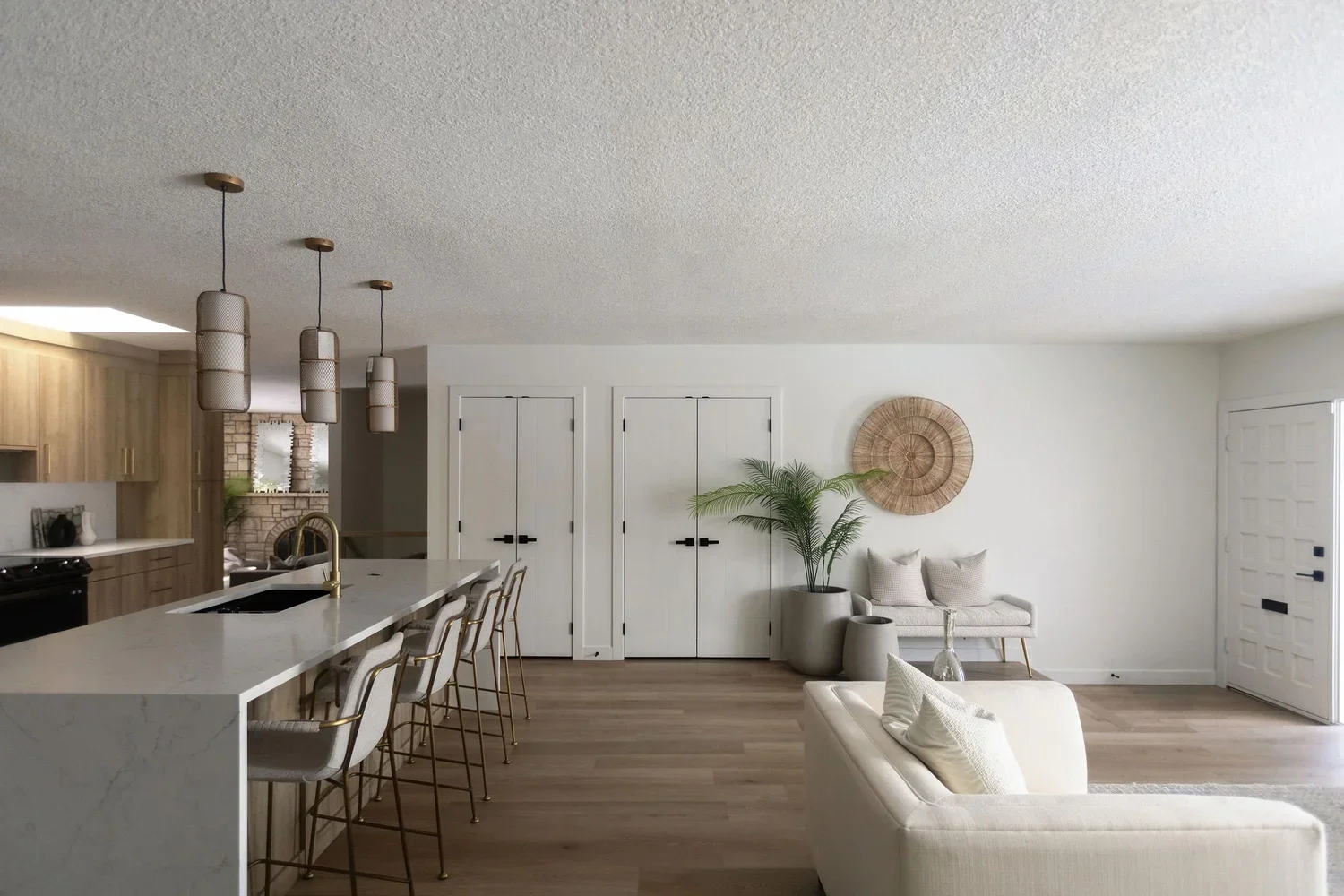
The case for an open concept kitchen and living room in a small home is both practical and experiential.
On the practical side, dissolving walls between the kitchen and living room increases flexibility in how the space is used, improves natural light distribution across the entire floor plan, and reduces the need for duplicate lighting and ventilation infrastructure across two enclosed rooms. Removing a wall also eliminates the circulation space that a doorway and hallway require, effectively returning usable square footage to the floor plan. That reclaimed space can be redirected toward functional furniture, better storage, or simply more breathing room between zones.
From a livability perspective, an open floor plan changes how a home feels to occupy day to day. Cooking no longer means being isolated from guests or family. Entertaining becomes fluid rather than segmented. A parent can prepare a meal while staying present with children in the adjacent living area. These aren't trivial improvements; they reflect a fundamentally different relationship between residents and their home.
For anyone living in a studio apartment, a condo, or a compact single-family home in Edmonton and surrounding communities, the open concept kitchen and living room is one of the most consequential layout decisions available.
How the Design Process Works
Creating a successful open concept kitchen and living room is a process that unfolds in interconnected phases. The decisions made early affect everything that follows.
Zone Definition Without Walls
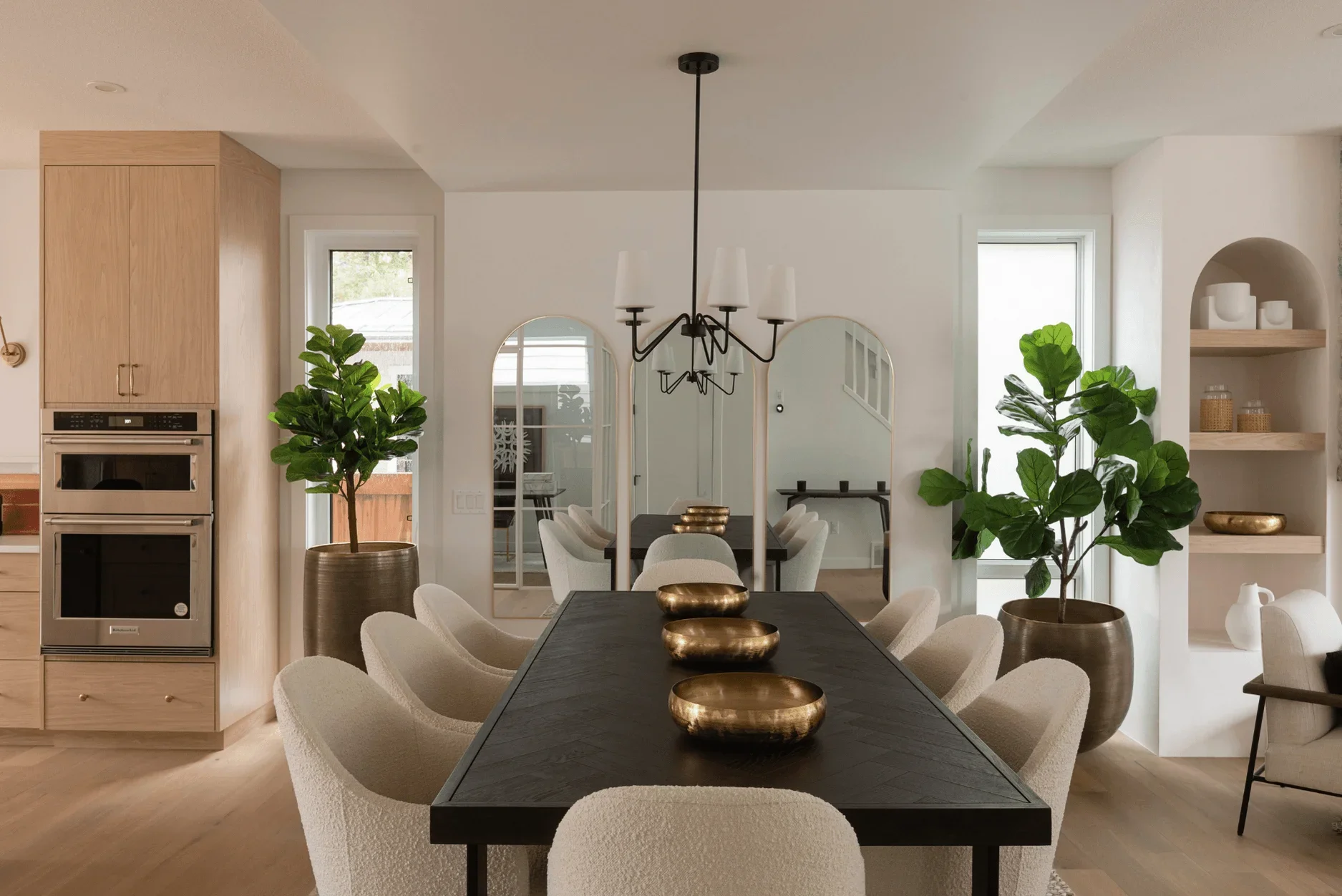
The first step is establishing where the kitchen ends, and the living room begins, without relying on physical walls to do it. This is typically accomplished through a combination of flooring transitions, ceiling treatment changes, a kitchen island or peninsula that acts as a soft boundary, and furniture arrangement that anchors each zone distinctly. In a small open-plan layout, the kitchen island often does triple duty as a room divider, dining surface, and casual seating area simultaneously, compressing three functions into a single footprint.
A Unified Colour Palette
The kitchen and living room must be developed as a single visual system. Cabinetry, wall colour, upholstery, and accent choices need to be considered together rather than as two separate decorating decisions. Colour schemes that share tones and materials across both zones create coherence; mismatched choices fragment the space visually and make it feel smaller and more chaotic than its actual dimensions warrant.
Furniture Placement and Scale
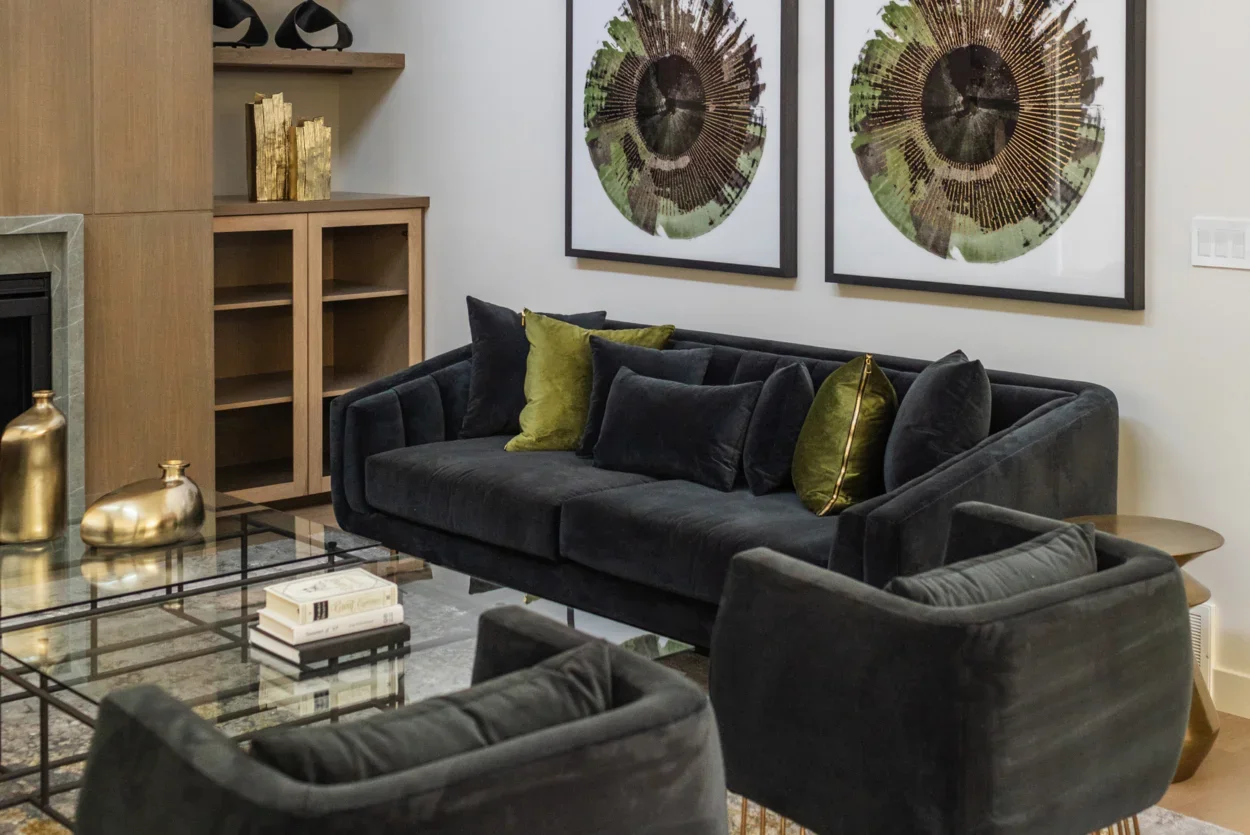
Multifunctional furniture is not optional in a compact open-plan layout; it's foundational. Sofas with built-in storage, dining tables that expand only when needed, ottomans that serve as both seating and coffee tables, and kitchen islands that can be repositioned are all tools that allow a small open concept layout to adapt to different uses throughout the day.
Scale matters equally. Oversized pieces that work in a large living room will visually consume a small open-plan space; appropriately scaled pieces preserve the sense of openness the layout is designed to create.
Every visible surface should be treated as a design element rather than background, which means editing countertop accessories, cookware storage, and decorative objects is part of the design work, not an afterthought.
Layered Lighting for Dual Zones
Because kitchen and living room functions differ significantly, each zone benefits from its own lighting layer. Recessed task lighting above work surfaces keeps the kitchen functional during food preparation, while ambient and accent lighting in the living area creates warmth and visual separation between zones. Pendant lights above an island or peninsula reinforce zone definition while contributing to the overall design language of the space.
Kitchen Layout Within the Open Plan
The kitchen's internal configuration matters as much as its relationship to the living room. Galley kitchens, L-shaped layouts, and peninsula designs all function well in open-plan contexts. Structural factors and ceiling height influence which kitchen layout is feasible and functional in a given space, which is one reason this work benefits from professional input before construction begins.
Best Practices for a Small Open Concept Kitchen and Living Room
Use Consistent Flooring or a Deliberate Transition
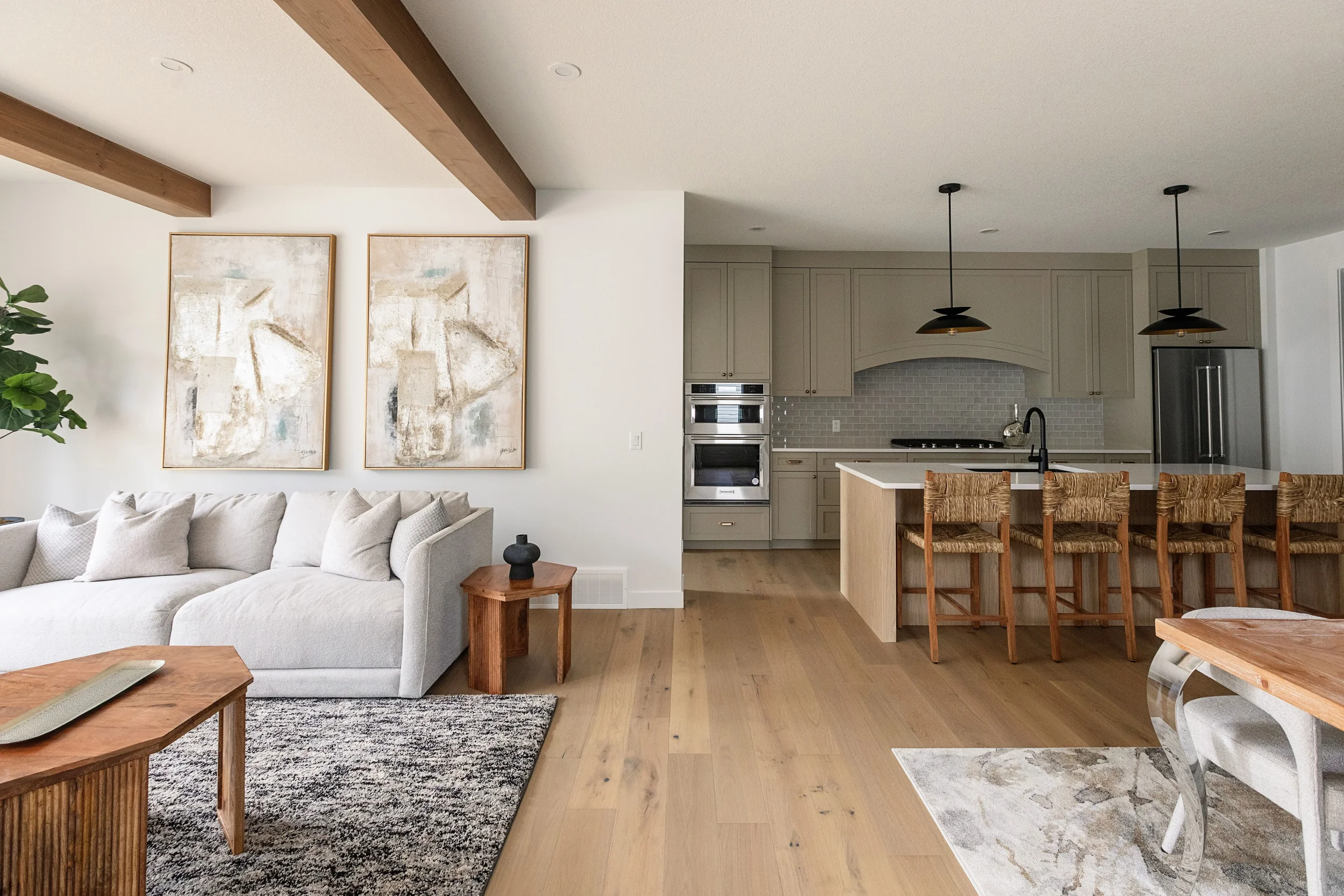
Continuous flooring across both zones is one of the most effective ways to make a small open-plan space feel larger and more cohesive. If different flooring materials serve a functional purpose, the transition line should be intentional and clean, ideally aligned with a natural zone boundary such as the edge of an island rather than placed arbitrarily across an open floor.
Apply Storage With Discipline
Vertical storage in the kitchen, built-in shelving in the living area, and under-island cabinetry all reduce surface clutter without sacrificing function. The goal is to store everything the household requires without allowing storage to dominate the visual landscape. When storage is well-integrated, the space reads as intentional rather than improvised.
Follow Material Trends Thoughtfully
Current directions in residential design favour material richness over ornamental complexity. Fluted cabinetry panels, warm-toned stone countertops, and textured natural fabrics are strong choices for open-plan kitchens and living rooms because they add visual interest through quality rather than volume of objects or layers of decoration. These directions suit small spaces well.
Design for Sight Lines From the Living Area
In an open concept layout, the back wall of the kitchen, the range hood, and the countertop surfaces are visible from the sofa throughout the day. Every surface a seated person can see from the living room should receive the same level of design attention as the living room itself.
Maintain Visual Continuity in Materials
Hardware finishes, light fixture metals, and cabinetry tones should flow between zones without jarring contrast. A brushed brass kitchen faucet paired with polished chrome fixtures in the adjacent living area creates visual noise that disrupts the sense of unity the open layout depends on. Cohesion across material choices is one of the clearest markers of professional design work in an open-plan space.
Common Mistakes to Avoid
Ignoring Acoustic Consequences
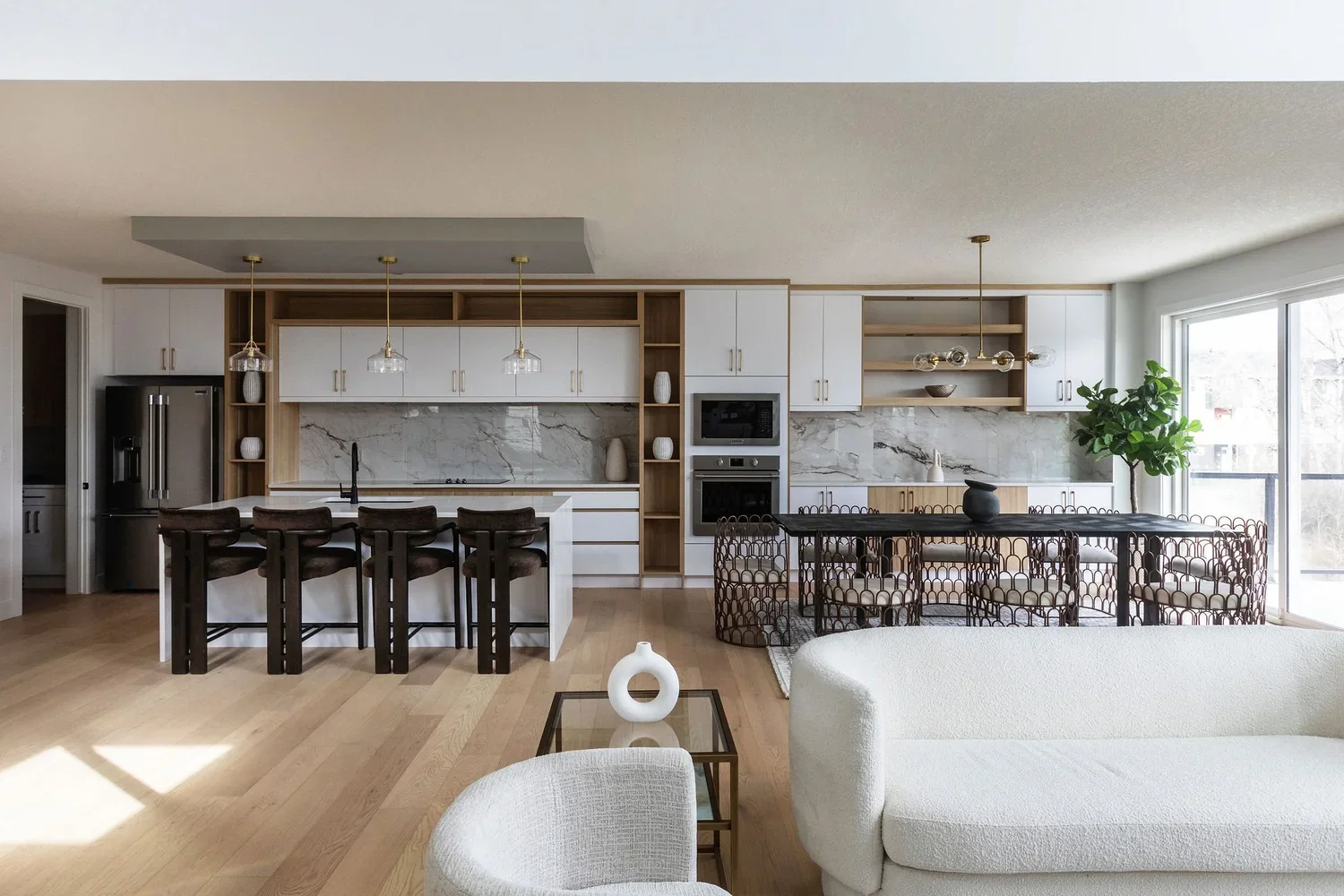
The open floor plan eliminates sound barriers between zones. Kitchen appliance noise, conversation, and television sound all occupy the same continuous acoustic space. Without intentional acoustic treatment, such as upholstered furniture, area rugs, curtains, and potentially ceiling panels, a small open-plan space can feel uncomfortably loud and difficult to use for more than one activity at a time. This is among the most commonly overlooked issues in open-plan residential design, and it's entirely preventable when addressed during the planning phase.
Over-Furnishing to Fill the Space
The instinct to fill open space with furniture is counterproductive in a compact open-plan layout. Over-furnishing blocks circulation paths, disrupts zone definition, and makes the space feel cluttered rather than cohesive. Every piece of furniture should earn its position through function, appropriate scale, and visual contribution to the unified design.
Treating the Kitchen and Living Room as Separate Projects
Cabinetry style, colour palette, and material choices must be developed as a unified system from the beginning. When the kitchen reads as modern, and the living room reads as traditional, the open connection between them amplifies rather than resolves the visual conflict. This mistake is particularly common when homeowners approach the two zones sequentially rather than simultaneously.
Neglecting Ventilation
An open kitchen and living room mean cooking odours travel freely into the living space. A high-performance range hood, like properly sized for the cooking equipment and vented to the exterior rather than recirculating air, is a non-negotiable component of a well-designed open-plan kitchen. Under-sizing ventilation is a practical error with lasting consequences for how comfortable the space is to live in.
Misplacing the Zone Boundary
Where the kitchen zone ends, and the living zone begins, has real consequences for how the space functions day to day. A boundary placed too far into the living area forces traffic flow through seating arrangements, while one set too close to the kitchen compresses the cooking space and creates a bottleneck at the transition point. Getting this right requires testing it against the actual furniture plan, primary traffic routes, and clearance distances around any island or peninsula.
Key Takeaways on Open Concept Interior Design
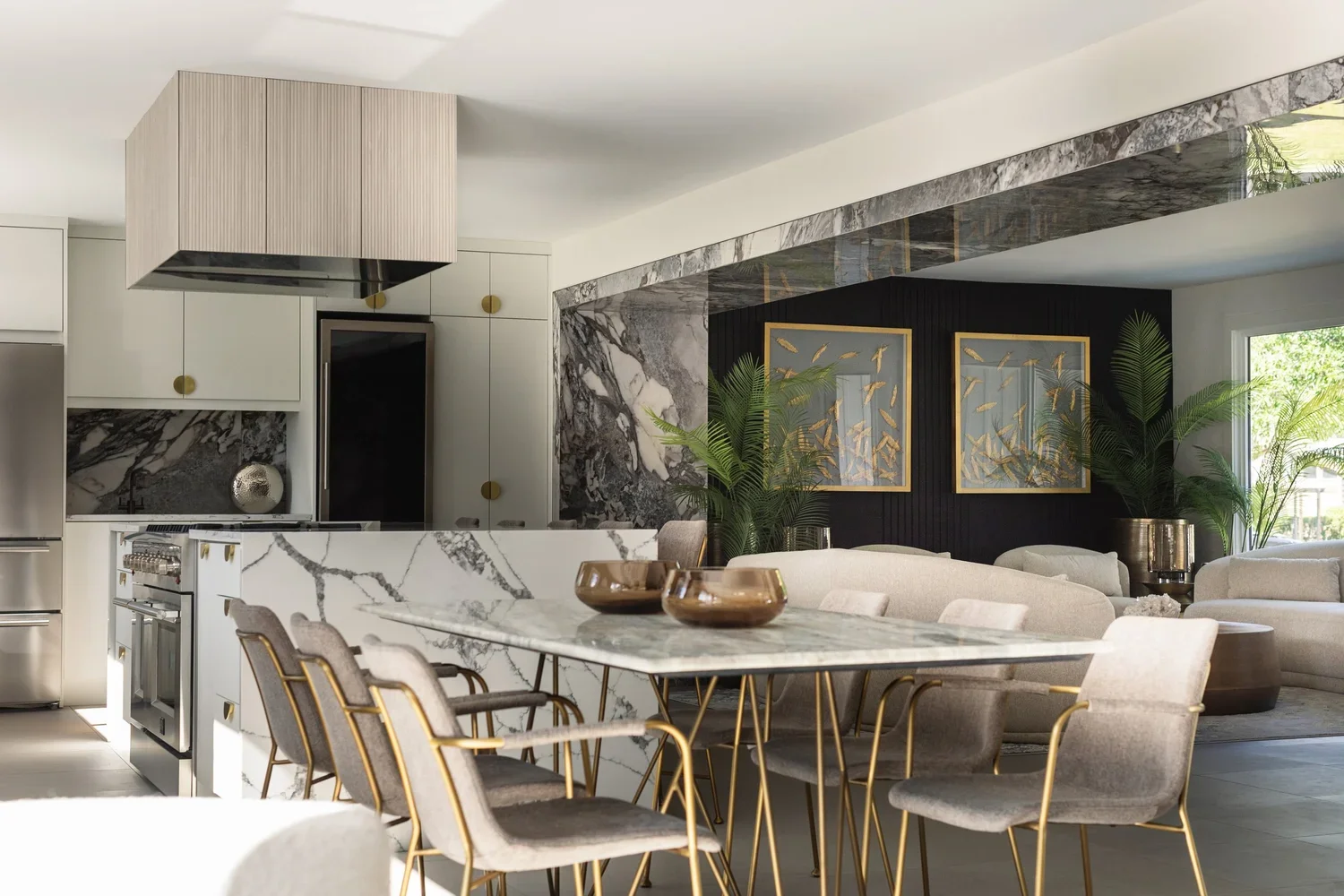
The most important principle in a small open-concept kitchen and living room is treating both zones as one unified design system rather than two rooms placed side by side. Zone definition comes from flooring, furniture placement, lighting, and a consistent colour palette, not from physical walls.
Multifunctional furniture, disciplined storage, and appropriately scaled pieces are what make a compact open-plan layout function well at a practical level every day.
When comparing open concept and closed kitchen layouts in a small home, the open configuration consistently delivers better light distribution, more flexible use, and a greater sense of spaciousness. The most common pitfalls, like acoustic neglect, over-furnishing, aesthetic mismatches between zones, and undersized ventilation, are all preventable with professional design oversight from the beginning of the project.
If you're planning an open concept renovation in Edmonton and surrounding communities, Tailored Interior manages every phase in-house, from spatial planning and material selection through to final installation, on time and on budget. Book a free consultation to talk through your space with Aness and her team.