
High-End Wall Moulding Ideas
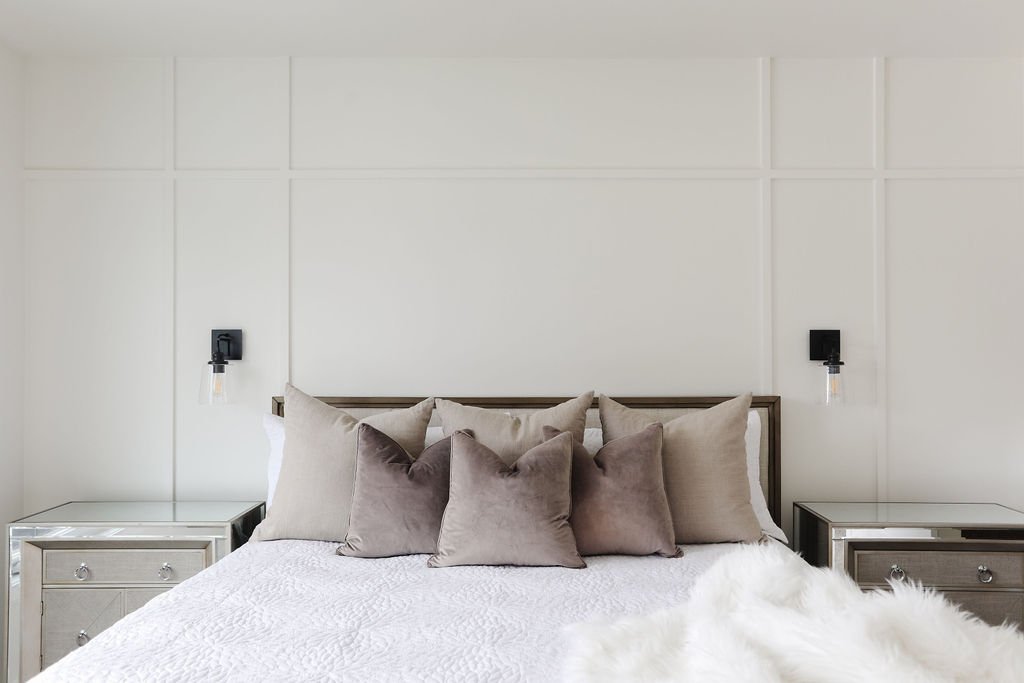
Wall moulding (often referred to as wall trim) is one of the simplest ways to make a room feel polished and seamlessly intentional. and high-end without doing a full renovation. When used well, it adds depth, structure, and architectural interest to plain walls, making even newer homes feel custom and refined.
Whether your style leans modern, transitional, or classic, moulding can be adapted to suit the look you want. When planning details like layout, finishes, and wall treatments, custom design solutions help ensure everything feels cohesive and intentional.
In this guide, we’ll break down how wall trim works, where it makes the biggest impact, and how to choose the right approach for your space. From subtle upgrades to bold statements, you’ll learn how to use this design feature in a way that feels elevated rather than overdone.
What Is Wall moulding? Why It Feels High-End
The trim or panels added to walls create dimension and visual structure. Historically, it was used in traditional homes to protect walls and add ornamentation. Today, it’s used primarily as a design element.
What makes it feel high-end is intention. Instead of blank drywall, moulding introduces rhythm, proportion, and shadow lines. These details signal craftsmanship, which is why moulding is commonly found in luxury interiors.
Moulding Designs That Elevate a Space
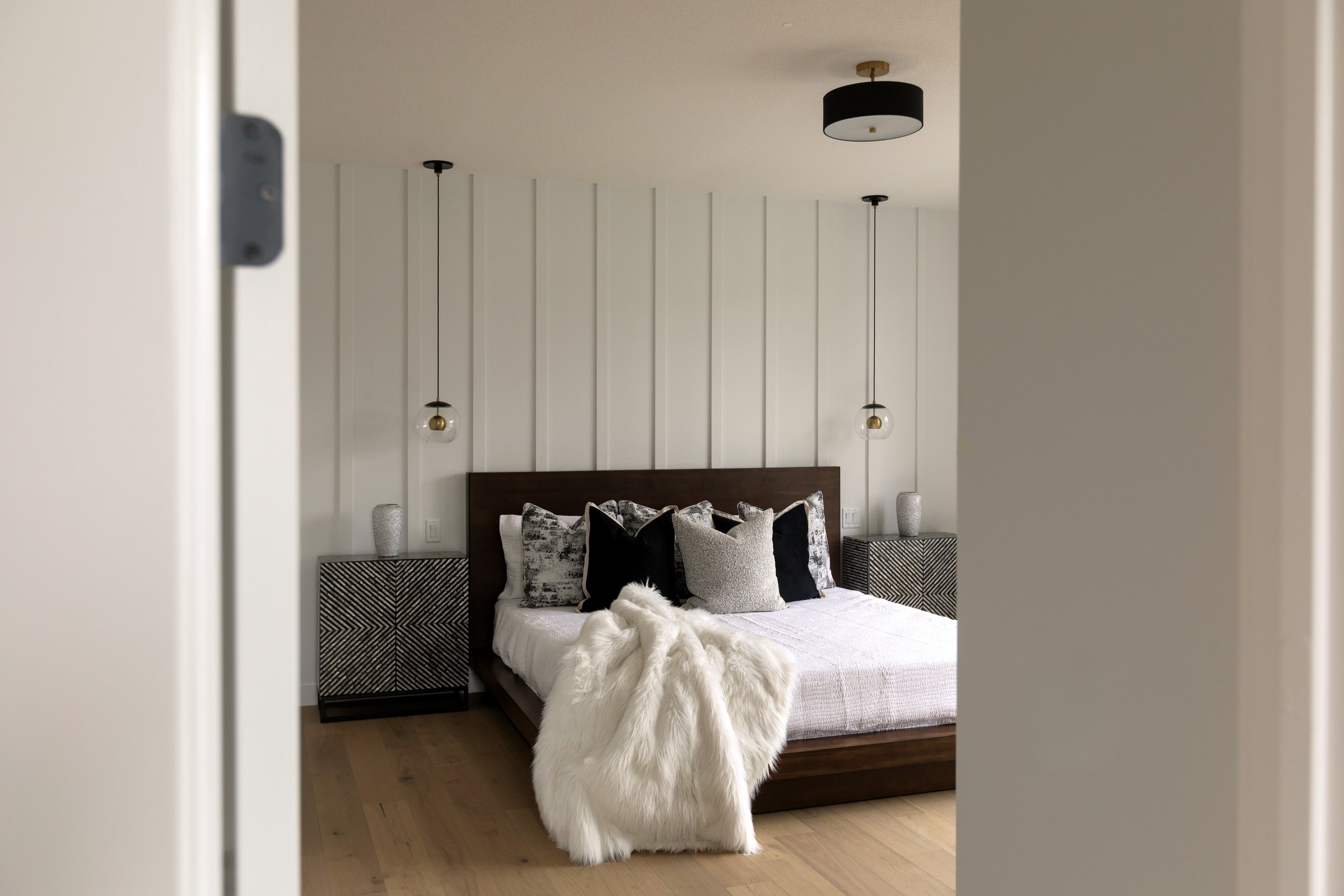
Well-planned designs add visual depth and make flat walls feel intentional rather than empty. The right layout can subtly guide the eye around the room and highlight architectural balance. Simple patterns feel timeless, while more detailed designs can introduce character without overwhelming the space. Choosing designs that suit ceiling height, room lighting and room size is key to achieving a high-end look.
Classic Panel Layout
Traditional panel layouts use evenly spaced rectangles or squares to bring balance to a room. These work especially well in dining rooms, hallways, and formal living areas where symmetry matters.
Modern Grid Patterns
Clean-lined grids feel contemporary and work well in newer homes. This style relies on precise spacing and minimal ornamentation, making it ideal for modern interiors.
Full Height Moulding Panels
Using moulding from floor to ceiling draws the eye upward and makes rooms feel taller. This approach works particularly well in spaces with standard ceiling heights that need visual lift.
Choosing Between Wall Trim Moulding Styles
Wall trim moulding comes in a wide range of profiles, from sleek and modern to more decorative styles. The trim you choose should align with the home's overall design direction to avoid a visual disconnect.
Simpler trims work well in contemporary interiors, while layered profiles suit traditional spaces. Mixing styles carefully can create a balanced, transitional look when done intentionally.
Simple vs Decorative Profiles
Flat or square profiles feel modern and understated, while decorative profiles lean more traditional. The choice should reflect the overall style of the home.
Square Trim Moulding for Clean Lines
Square trim moulding is a popular option for contemporary spaces. It creates structure without adding visual clutter and pairs well with neutral colour palettes.
Wall Trim Moulding Ideas for Mixed Styles
In transitional homes, combining simple trim with classic layouts creates balance. This approach avoids looking too modern or too ornate.
Panel Moulding for Walls: Where It Works Best
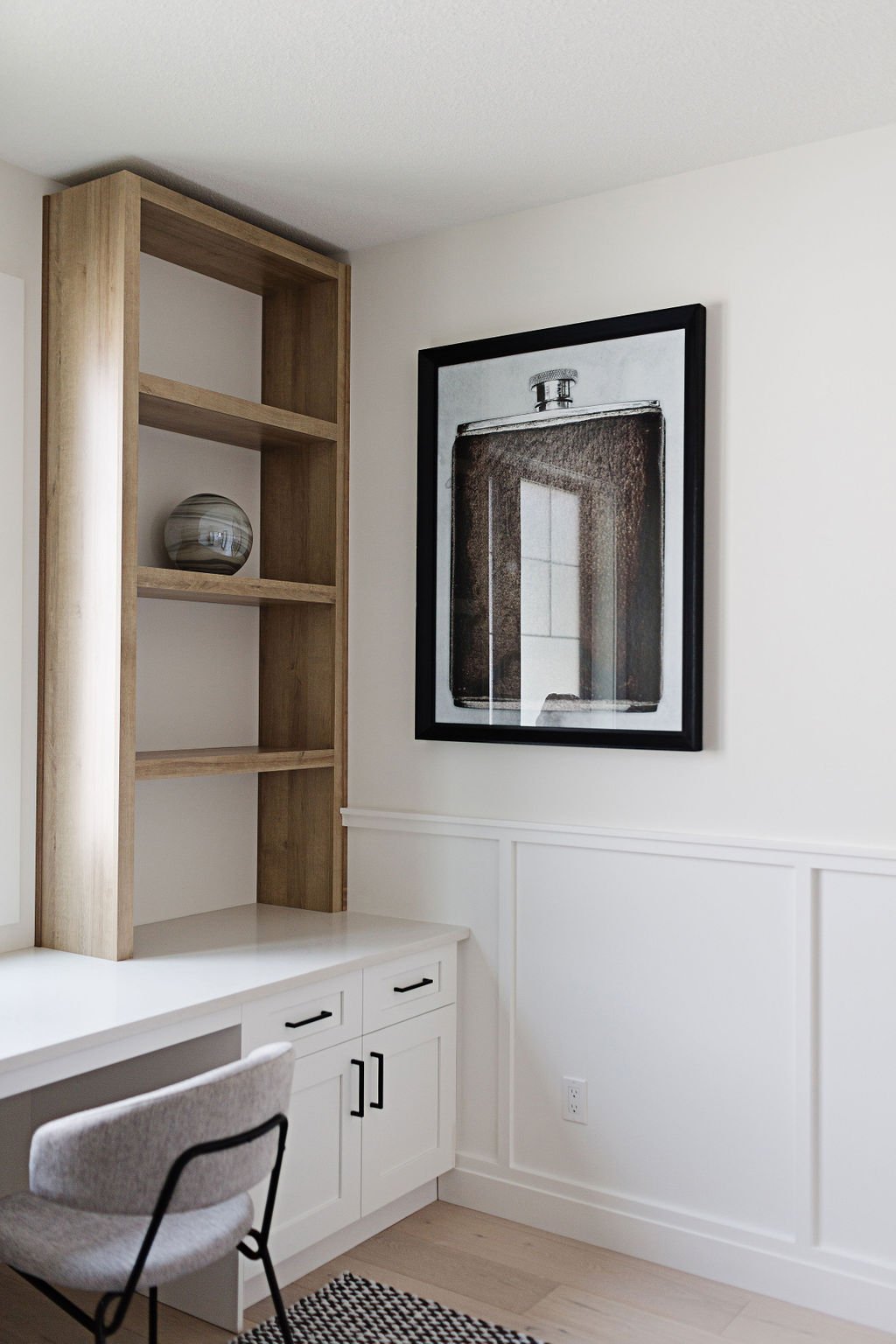
Panel moulding for walls works best in areas where structure and symmetry enhance the room’s purpose. It helps define focal points and adds depth without taking up physical space.
In frequently used rooms, moulding creates a sense of permanence and quality. Strategic placement ensures the design feels refined rather than decorative for decoration’s sake.
Living Rooms
Panel moulding for walls adds a focal point behind sofas or media units. It helps anchor furniture and makes the room feel designed rather than decorated.
Bedrooms
Behind a bed, moulding can replace a headboard or frame it visually, supporting principles often used in feng shui bedroom design.
Dining Rooms
This is one of the most traditional moulding locations, and it still works beautifully today. It adds formality and pairs well with statement lighting.
Peel and Stick Moulding: Is It Worth It?
Peel-and-stick moulding offers a low-commitment way to test design ideas before investing in permanent trim. It’s especially useful for temporary upgrades or rental-friendly spaces. While convenient, it lacks the weight and longevity of traditional materials. It works best as an accent rather than a whole-room solution.
When Peel and Stick Makes Sense
Peel-and-stick wall trim works well for renters or short-term upgrades. It’s lighter, faster to install, and doesn’t require nails.
Limitations to Be Aware of
It may not hold up as well in high-humidity or high-traffic areas. Over time, edges can lift if the wall surface isn’t perfectly smooth.
Best Use Case
Accent walls, home offices, or bedrooms are ideal places to experiment with peel-and-stick options.
Wall Trim Work and Proportion
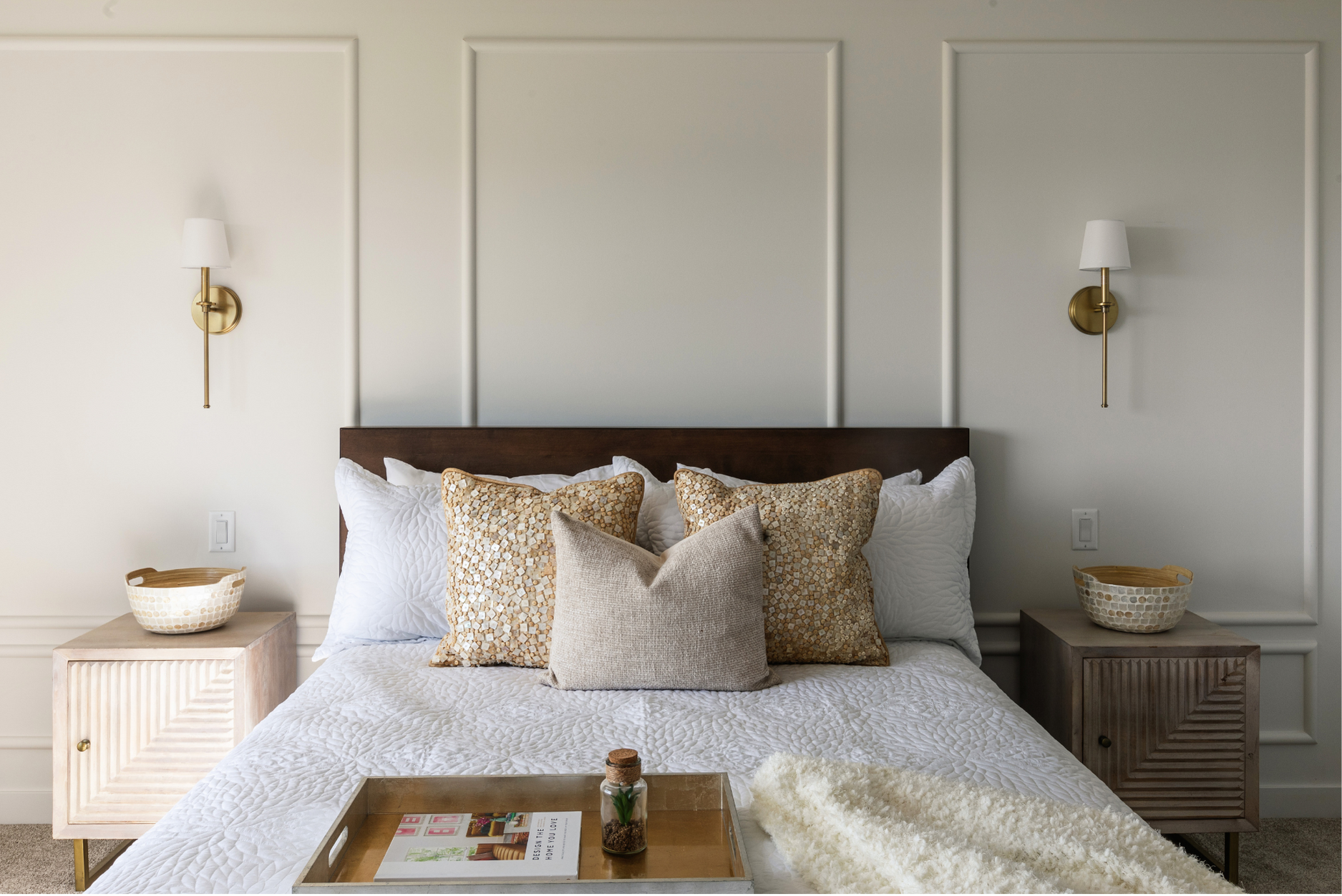
Proper wall trim work depends heavily on scale and spacing. Trim that is too large or too closely spaced can overwhelm a room. Proportionate layouts help walls feel balanced and visually calm. Aligning trim with existing architectural elements creates a seamless, intentional finish.
Spacing Matters
Even spacing is what separates professional-looking wall trim work from DIY mistakes. Uneven panels or inconsistent margins can make a wall feel off.
Scale to the Room
Large panels suit bigger rooms, while smaller rooms benefit from tighter, simpler layouts. Oversized moulding in a small room can feel heavy.
Align With Architectural Features
Panels should align with doors, windows, and furniture where possible. This creates visual harmony and avoids awkward breaks.
How to Install Moulding Properly
Successful installation starts with careful planning and accurate measurements. Understanding how to attach moulding to wall surfaces ensures it stays secure over time. Clean cuts and level placement are essential for professional-looking results. Finishing details like caulking and paint bring the entire installation together.
Plan The Layout
Before installation, map everything out on paper and on the wall. Measuring twice prevents costly mistakes later.
How to Attach Moulding to the Wall Securely
Most installations use a combination of construction adhesive and brad nails. This keeps the moulding flush and secure over time. If you prefer a visual design walkthrough, this video shows a clear, step-by-step example of how to install wall trim correctly.
Add Finishing Details
Caulking seams and filling nail holes is essential. These small steps make the difference between amateur and high-end results.
Wall Trim Moulding Ideas for Colour and Finish
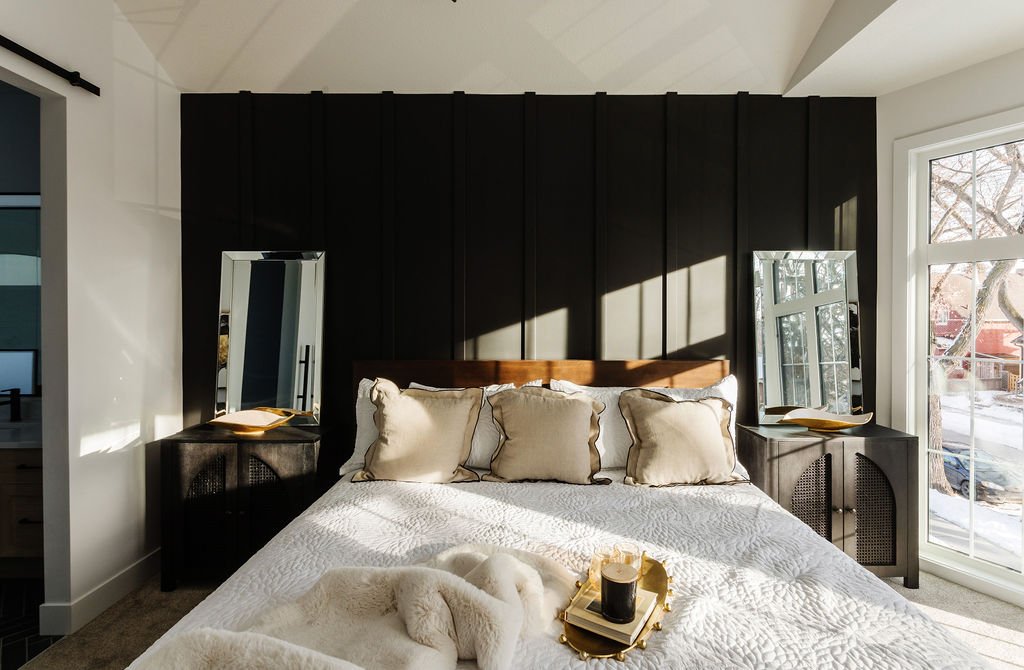
Colour choice plays a major role in how wall trim moulding is perceived. Matching trim to wall colour creates subtle texture, while contrast adds definition. Finish selection can shift the mood from soft and modern to bold and dramatic. Testing samples helps ensure the final result fits the space.
Monochrome Looks
Painting moulding the same colour as the wall creates a subtle, elegant effect that relies on shadow rather than contrast.
High Contrast Drama
Dark moulding on light walls, or vice versa, creates bold definition. This works well in feature rooms or statement areas.
Gloss vs Matte
Higher-sheen finishes highlight detail, while matte finishes feel softer and more modern. Choose based on the mood you want.
Moulding Panels in Open-Concept Homes
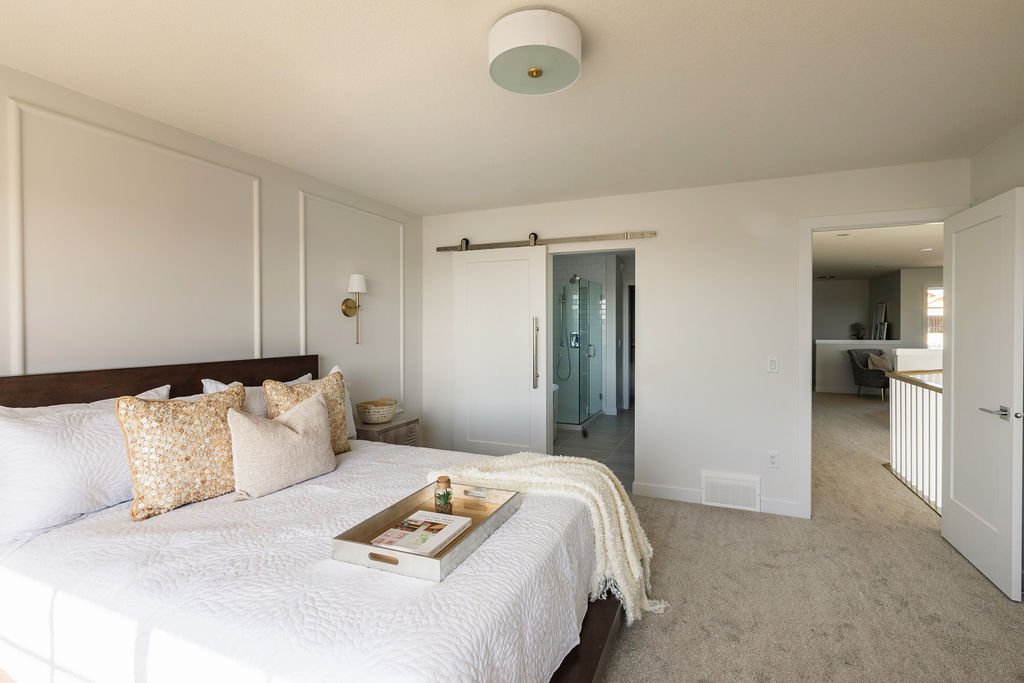
Wall trim helps create visual zones in open concept layouts without closing off space. They can subtly separate dining, living, or entry areas while maintaining flow. Consistent trim styles keep the design cohesive across large areas. Used selectively, moulding adds structure without making open spaces feel busy.
Create Zones
In open spaces, panels can visually define areas such as dining or seating zones without adding walls.
Keep Consistency
Use similar trim profiles throughout the home to maintain cohesion, even if layouts differ from room to room.
Avoid Overusing
Not every wall needs moulding. Strategic placement keeps the design feeling intentional rather than busy.
Why Moulding Remains a Designer Favourite
Wall trim continues to be popular because it delivers impact without major construction. It enhances walls, supports furniture layouts, and adds long-term value to a home. When done thoughtfully, it adapts to many styles and budgets, from subtle trim work to full wall treatments.
For homeowners looking to elevate their interiors with confidence, working with our Edmonton interior designers ensures the moulding is scaled, spaced, and styled to suit the home perfectly.