
Small Space Sitting Room Ideas
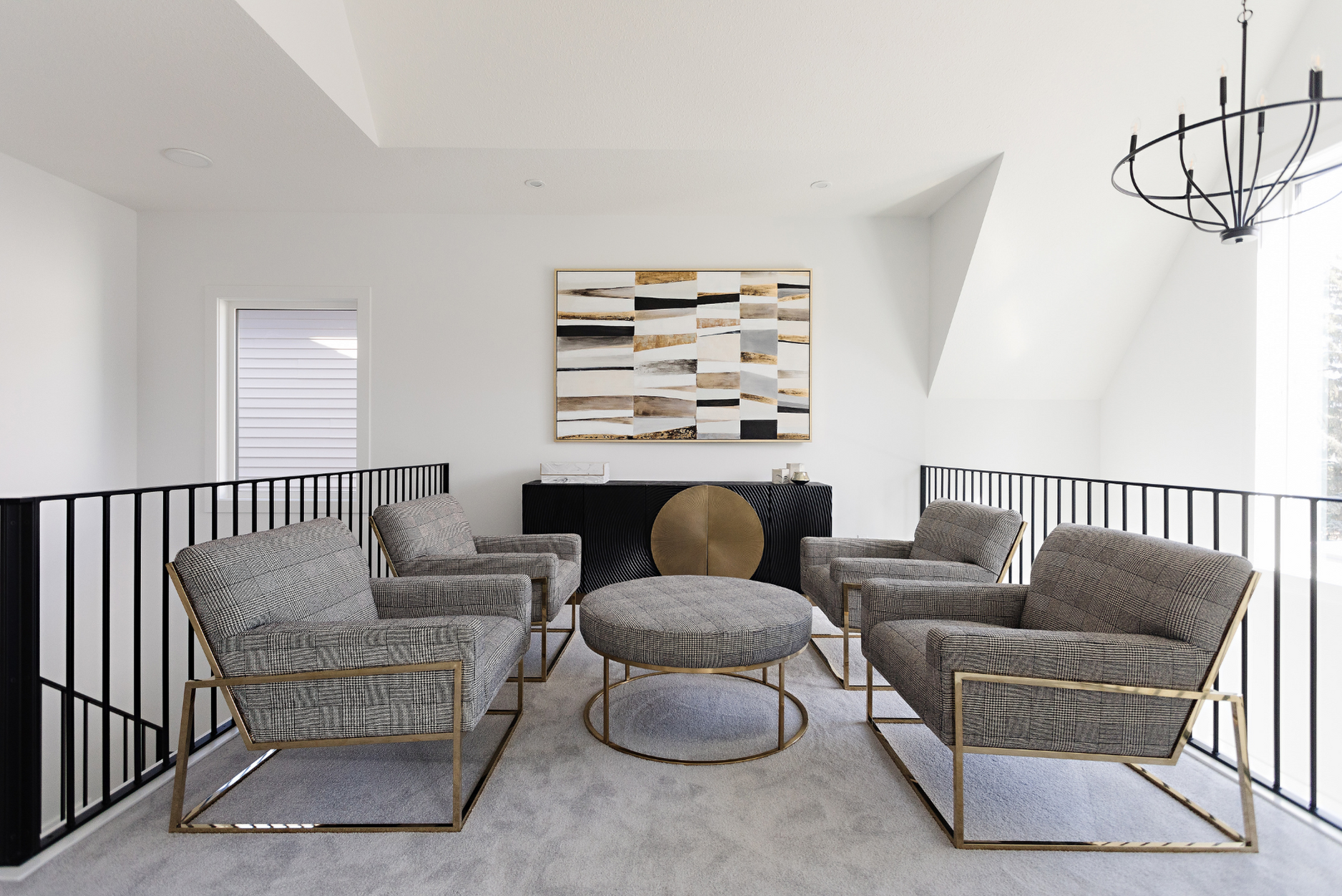
TL;DR: Small Space Sitting Room Ideas
• Plan the layout first by measuring the room, defining how it will be used, and protecting clear walking paths
• Choose small-scale, lightweight furniture that fits the room proportions and avoids visual heaviness
• Use multi-use furniture like storage ottomans and nesting tables to maximize function without adding clutter
• Keep furniture edited to only what you actually use to prevent the space from feeling crowded
• Stick to light, cohesive colour palettes to reflect light and make the room feel larger
• Add subtle contrast and texture for depth without overpowering the space
• Use vertical and hidden storage to maintain a clean, organized look
• Style minimally with one focal point, simple soft furnishings, and intentional décor
• Layer lighting with lamps instead of relying on one overhead fixture to add warmth and dimension
• Focus on comfort and warmth so even a small sitting room feels inviting and lived in
Small space sitting room ideas can completely change how your home feels when square footage is limited. A smaller sitting room doesn’t mean you have to compromise on comfort, style, or personality. In fact, compact rooms often encourage more thoughtful, intentional choices, leading to smarter and more visually balanced results. With the right layout, furniture selection, colour palette, and minimalistic interior arranging, even the tiniest room can feel functional, welcoming, and full of character. This guide breaks everything down into clear, practical steps you can actually use, whether you’re working with a tight city layout or a cozy corner at home.
Small Sitting Room Ideas for Smarter Layouts
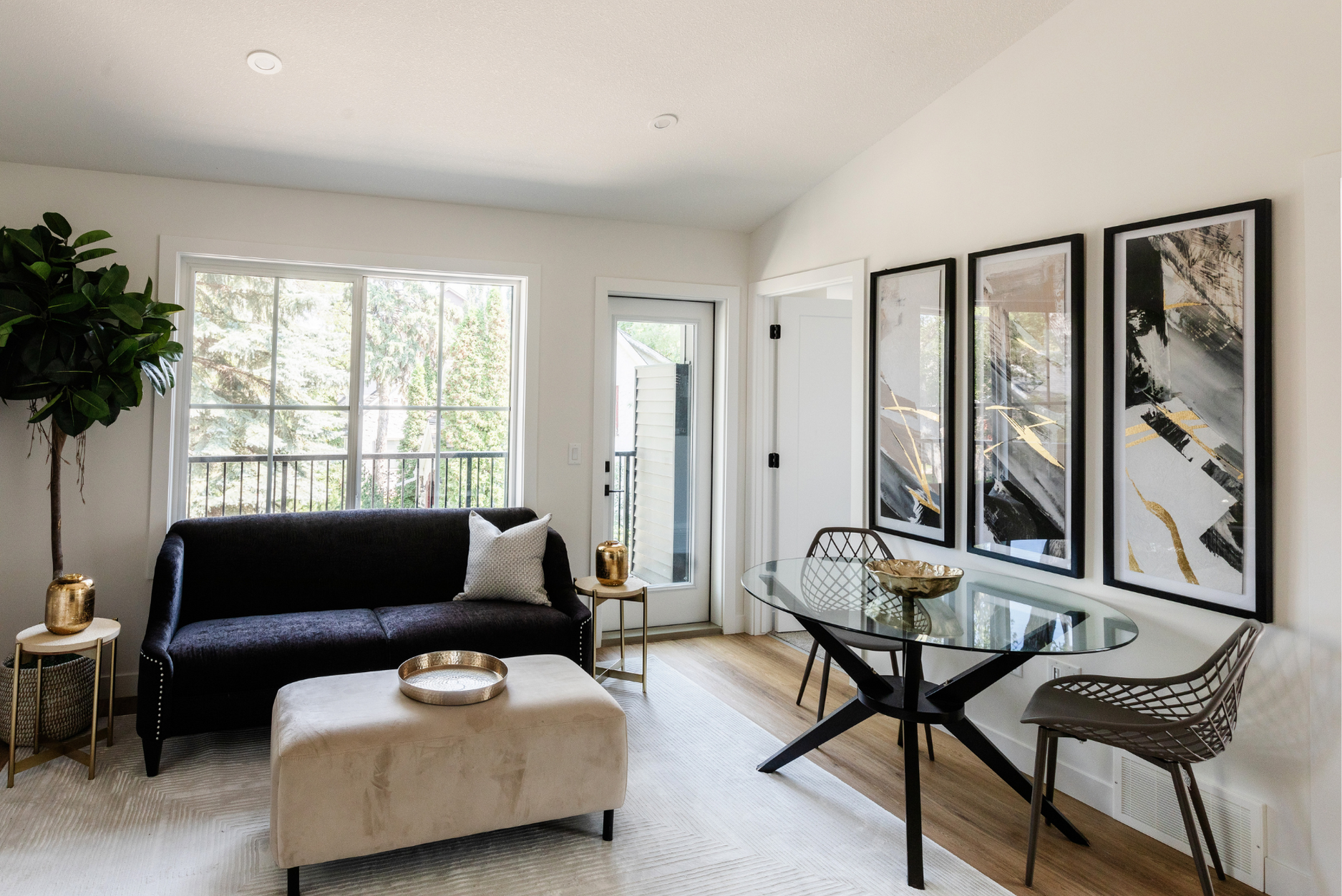
Smart planning sets the foundation for a sitting room that feels open rather than cramped. Understanding how the room will be used helps prevent wasted space and awkward furniture placement. This step is essential for creating layouts that feel intentional and functional from the start.
Make Layout Decisions Before Buying Anything
Before choosing furniture or décor, focus on small room layout ideas that support the interior layout of your living space. Measure the room, note the doorways and windows, and determine whether it should be most relaxing, most entertaining, or both. Planning first helps prevent overcrowding and makes arranging living room furniture in a small room much easier as the space comes together.
Use Furniture to Define the Flow
In a tiny living room, furniture placement controls how the room feels. Instead of pushing everything against the walls, try floating a small sofa or using a compact chair to guide movement. Thoughtful placement can make even really small room ideas feel intentional rather than cramped.
Prioritize Walking Space
Clear walkways are essential for comfort. Leave enough room to move freely without bumping into furniture. This is one of the most overlooked small-room layout ideas, but it has a significant impact on how usable the space feels day-to-day.
Choose Furniture that Works Harder
Furniture scale matters more in compact rooms than in larger spaces. Choosing pieces designed for small living room furniture design helps maintain balance and visual clarity. The right furniture allows the room to function comfortably without feeling overcrowded.
Focus on Small-Scale Seating
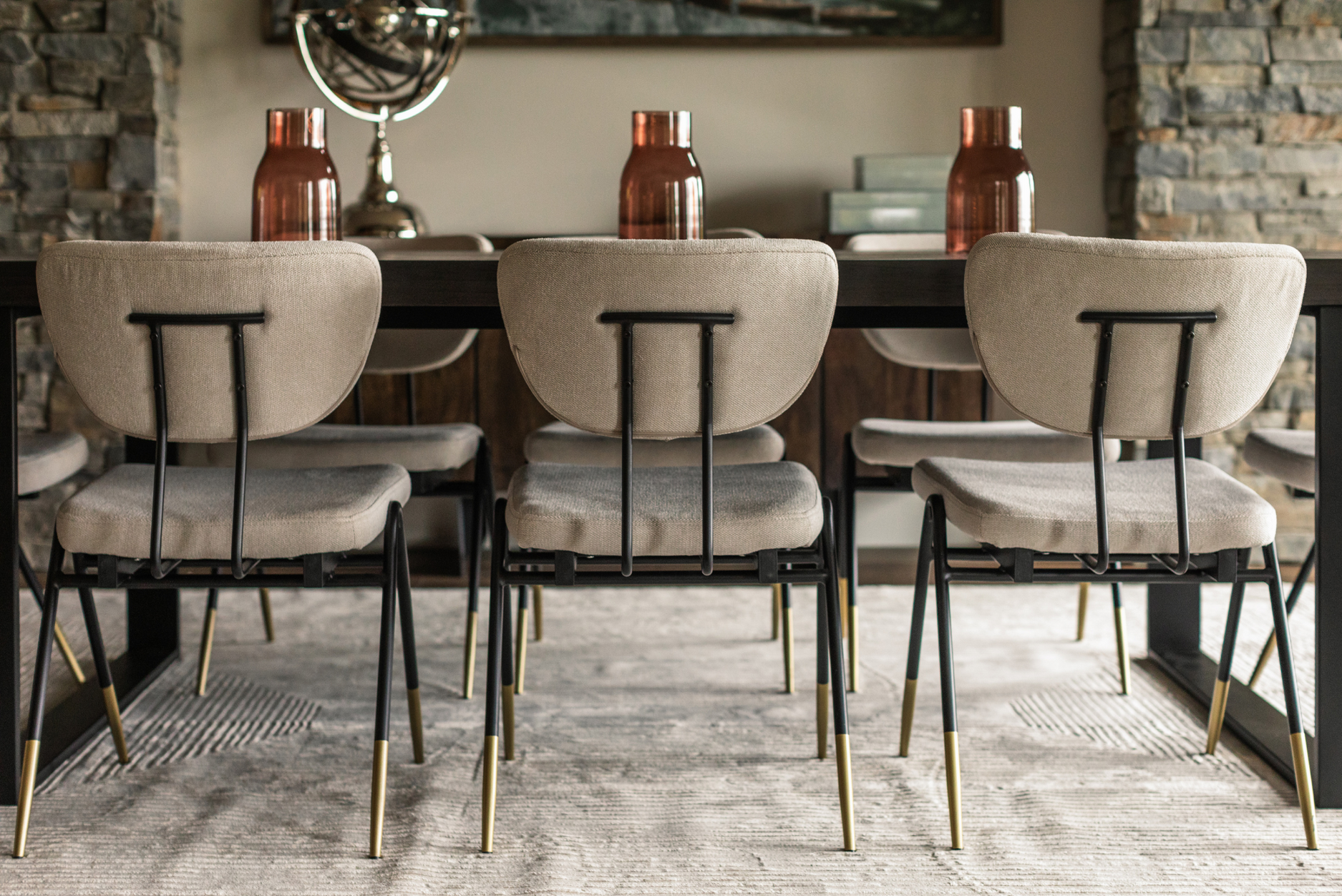
Oversized furniture overwhelms small spaces quickly. Look for small living room furniture design that feels light and proportional. Slim arms, raised legs, and clean lines help maintain visual openness while still offering comfort.
Multi-Use Furniture is Your Best Friend
Ottomans with storage, nesting tables, or benches that double as seating are great for small living space design. These pieces reduce clutter and allow the room to adapt as needed without adding bulk.
Skip What You Don’t Use
If a piece doesn’t serve a clear purpose, it doesn’t belong. Knowing how to decorate a living room with minimal furniture starts with editing. Fewer, well-chosen items make a space feel calmer and more open.
Colour Choices that Visually Expand the Room
Colour influences how spacious or tight a room appears. Lighter tones and cohesive palettes help reflect light and reduce visual heaviness. Well-chosen lounge room colour ideas create an open feel while still adding personality.
Light Shades Create Breathing Room
Neutral and light tones are classic lounge room colour ideas for a reason. Whites, soft greys, and warm beiges reflect light and make walls feel farther apart. This works especially well in a tiny living room with limited natural light.
Add Depth with Subtle Contrast
You don’t have to avoid colour completely. A darker accent wall or layered textures can add interest without shrinking the room. Balanced contrast is key in small living space design.
Keep Ceilings Visually High
Painting walls and ceilings in similar tones helps eliminate harsh lines, which visually lifts the ceiling. This trick works wonders for really small room ideas where height feels limited.
Storage Solutions That Don’t Crowd the Room
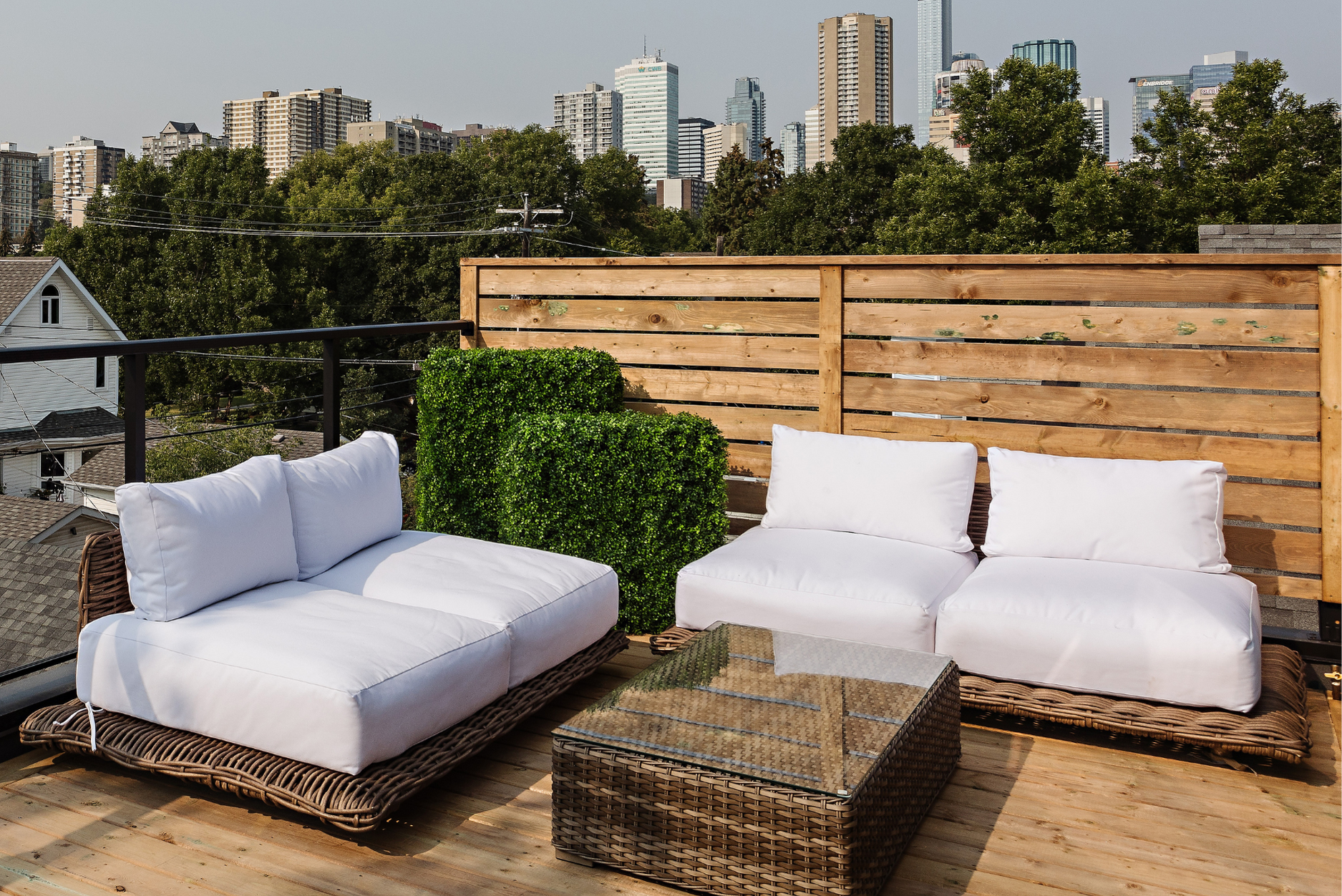
Effective storage keeps small rooms functional and visually calm. Hidden and vertical storage options reduce clutter while preserving floor space. These really small room ideas help maintain order without sacrificing style.
Go Vertical Whenever Possible
Wall-mounted shelves and tall, narrow cabinets save floor space and provide storage without bulk. Vertical storage is essential for effective small room layout ideas.
Hidden Storage Keeps Things Calm
Clutter is the fastest way to make a cozy living room feel chaotic. Furniture with built-in storage helps keep everyday items out of sight while maintaining a relaxed atmosphere.
Display With Intention
Limit decorative items to a few meaningful pieces. This approach supports minimalist living room ideas while still allowing your personality to shine through.
Styling Tricks that Add Personality Without Clutter
Styling should enhance comfort without overwhelming the space. Focusing on minimalist living room ideas helps maintain a clean, calm look. This approach makes it easier to understand how to decorate a living room with minimal furniture effectively.
Use Mirrors to Reflect Light
Mirrors make rooms feel larger by bouncing light around. A well-placed mirror can instantly elevate a tiny living room and make it feel brighter and more open.
Choose Soft Furnishings Wisely
Rugs, cushions, and throws add warmth, especially in a cozy living room, but keep patterns simple and colours cohesive. This helps maintain balance in a small living space design.
Let One Feature Stand Out
Whether it’s artwork, a statement chair, or textured wall décor, one focal point is often enough. This approach aligns well with minimalist living room ideas and helps keep the room from feeling cluttered.
Smart Lighting for Small Spaces
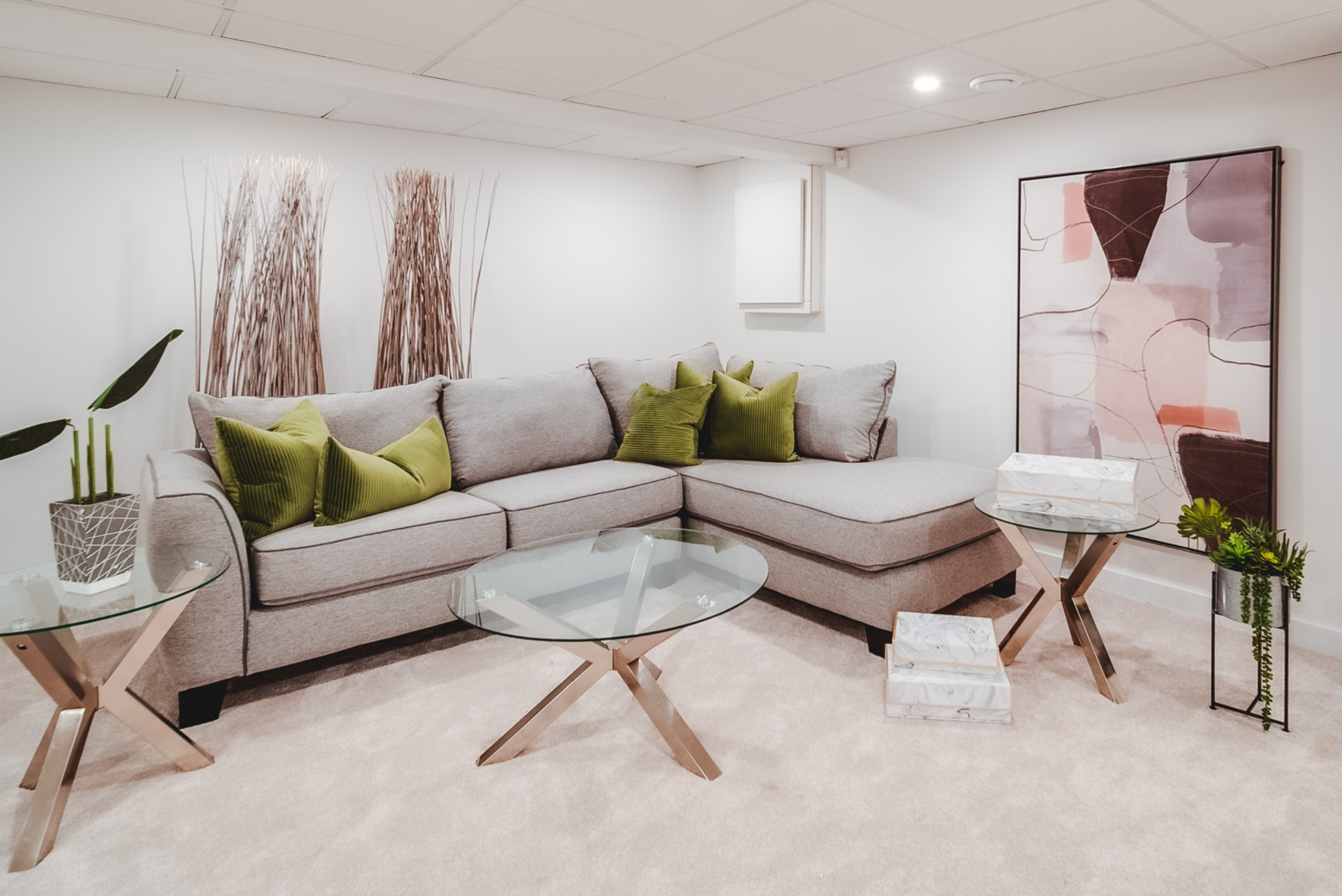
Lighting affects both mood and perceived size. Layered lighting adds depth and prevents flat, shadowy corners. This is especially important in a tiny living room where natural light may be limited.
Layer Your Lighting
Instead of relying on one overhead light, use a mix of floor lamps, table lamps, and wall lighting. This adds depth. When people ask, “How to arrange living room furniture in a small room?” the answer is flexibility.
Avoid Bulky Fixtures
Large light fittings can overpower a small space. Slim, simple designs support small living room furniture design and keep the ceiling visually open.
Use Warm Light for Comfort
Warm bulbs help create a relaxed, cozy living room feel, especially in the evenings.
Minimalism That Still Feels Lived In
Minimalism works best when it prioritizes comfort as much as simplicity. A few well-chosen pieces and intentional styling prevent the room from feeling cold or empty. This balance allows the space to feel personal, functional, and welcoming rather than overly stripped back.
Edit Before You Decorate
Minimalism doesn’t mean empty; it means intentional. Knowing how to decorate a living room with minimal furniture starts with choosing only what adds value or comfort.
Stick to a Tight Colour Palette
Limiting colours helps everything feel connected. This is a core principle of minimalist living room ideas and works especially well in small spaces.
Quality Over Quantity
A few well-made pieces will always look better than many cheaper ones. This mindset improves both style and longevity in small living space design.
Making Tiny Spaces Feel Warm and Inviting
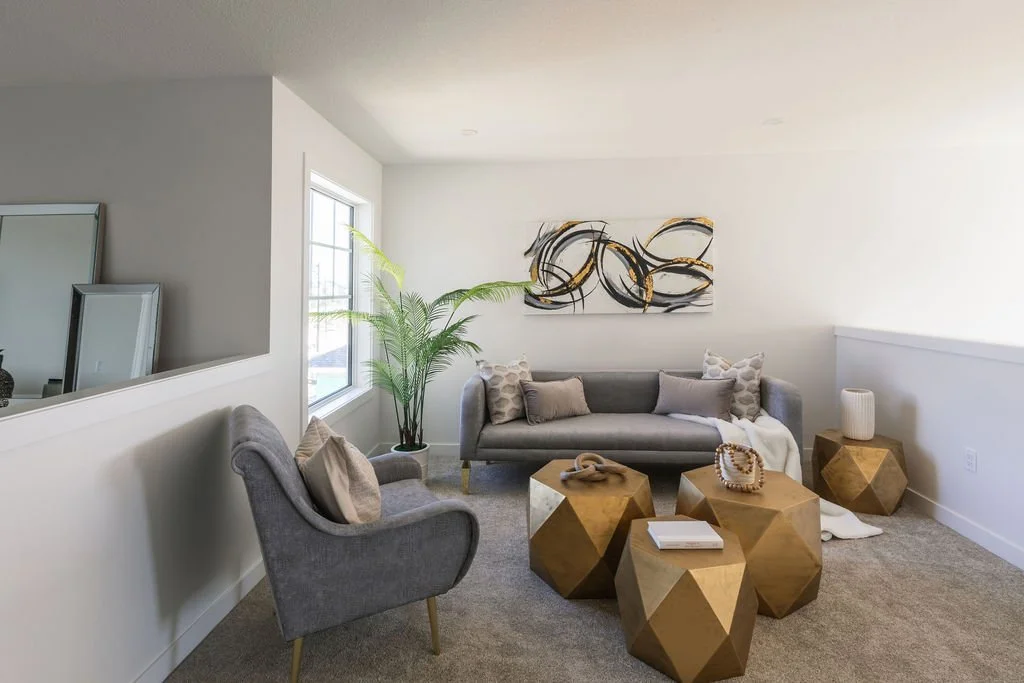
Cozy spaces rely on texture, warmth, and thoughtful details rather than size. Soft furnishings and layered materials add comfort without crowding the room. A cozy living room is achieved through intention, not excess.
Texture Adds Depth
Layering different textures, fabrics, wood, and metal adds richness without taking up space. Texture is key for turning a tiny living room into a welcoming retreat.
Personal Touches Matter
Photos, books, or meaningful home décor help transform small room ideas into spaces that feel personal and lived-in.
Comfort Comes First
No matter the size, comfort should always be a priority. A well-planned cozy living room feels just as good as it looks.
Final Thoughts on Designing Small Rooms
Designing a small sitting room is all about making thoughtful choices that balance style and function. By focusing on layout, furniture scale, colour, storage, and lighting, you can create a space that feels bigger, calmer, and more enjoyable to use every day. Whether you’re exploring small room layout ideas, refining small living room furniture design, or learning how to arrange living room furniture in a small room, the right approach makes all the difference.
If you need professional design guidance to bring it all together, working with an experienced Edmonton interior designer can help turn even the smallest space into something truly special.