
Living Room Lighting Fixture Ideas
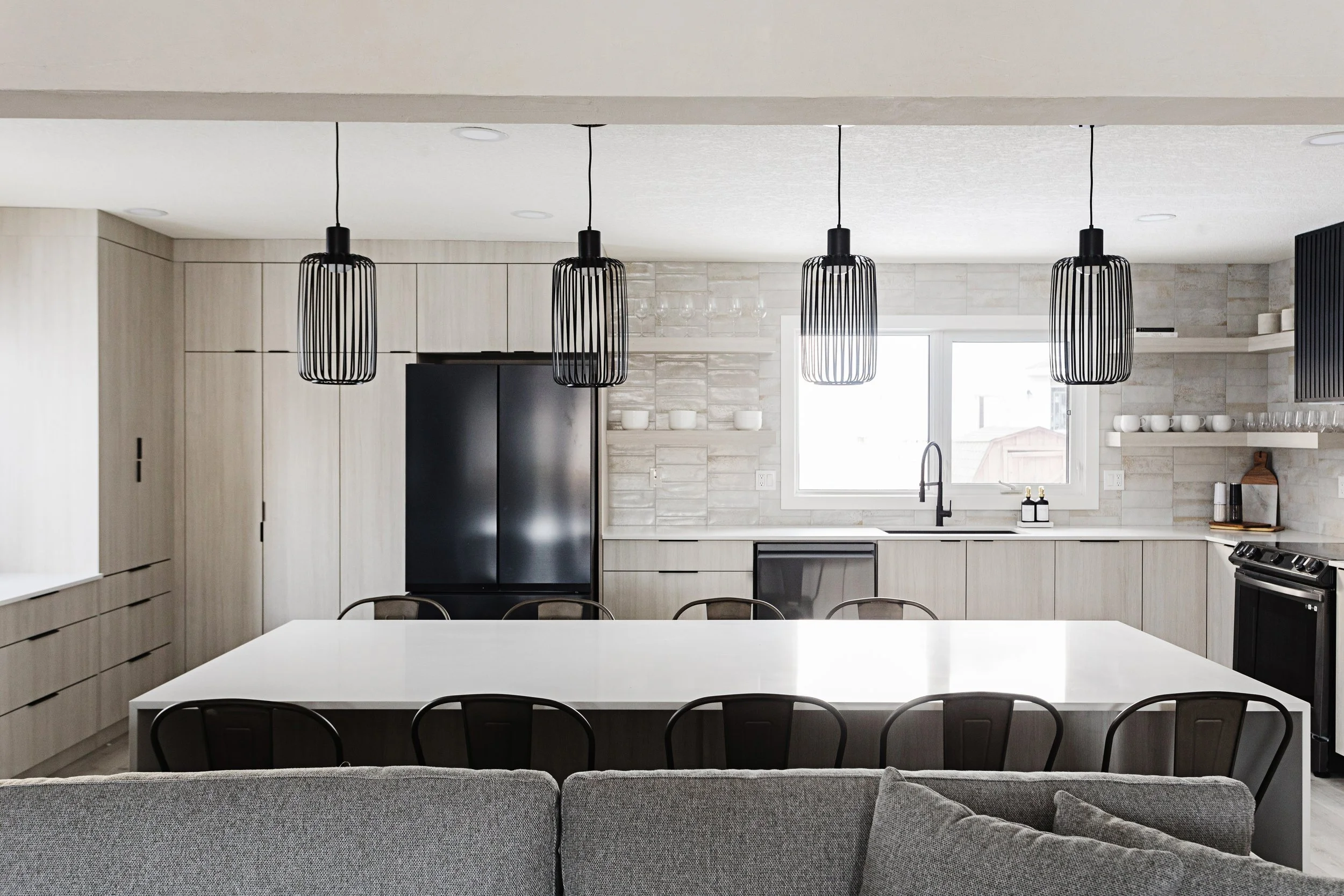
Lighting plays a bigger role in your home than most people think. It affects mood, comfort, and how a space functions day to day. When done right, lighting can make a room feel larger, more organized, warmer, and more inviting. That’s why living room lighting fixture ideas should be part of your design plan from the start, not something added at the end.
Instead of relying on one overhead source, the best living rooms use a mix of ceiling lights, accent lighting, and decorative light fixtures. This guide breaks down practical living room lighting fixture options that work in real homes and help create balanced, flexible living room illumination.
How to Plan Your Living Room Lighting
Before choosing fixtures, think about how the room is used. Is it mainly for relaxing, entertaining, watching TV, or all of the above? Smart lighting fixture ideas focus on layers so the space works at different times of day and for different activities.
Start With Overhead Lighting
Overhead lighting creates the foundation for your living room lighting. This usually comes from ceiling lights that evenly light the entire space.
Common options include:
Flush mount ceiling lights for low or standard ceilings
LED ceiling lights for energy efficiency and long-term savings
An overhead fan with light for comfort and airflow
Classic chandelier lighting for large or open living rooms
These lights for living room use provide overall brightness without making the space feel harsh or flat. Choosing the right size and brightness is key so the fixture feels balanced with the room.
Add Character With Decorative Fixtures
Once your base lighting is in place, decorative light fixtures add personality. A pendant light or other hanging lights can help define zones in open spaces, especially in homes where the living room flows into the kitchen or dining area.
Chandelier lighting doesn’t have to be formal. Modern styles work well in casual homes and add visual interest without overpowering the room. These fixtures help anchor the space and make the living room with light feel intentional.
Think in Layers, Not Just One Light
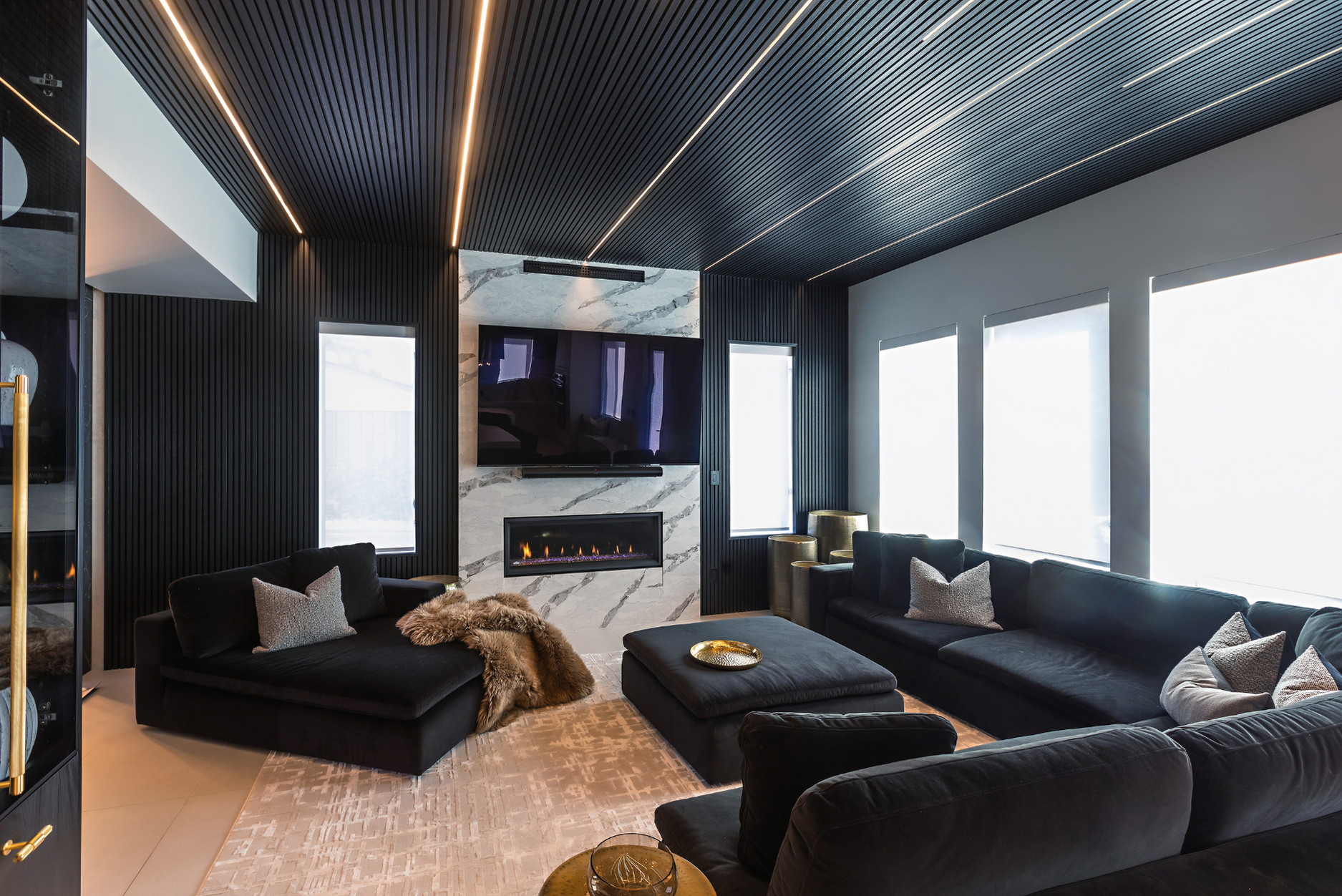
Effective living room lighting works best when it is planned in layers rather than relying on a single fixture. Start with ambient lighting to provide overall brightness, then add task lighting for reading or focused activities, and finish with accent lighting to highlight artwork or architectural details. Combining ceiling lights, table lamps, and subtle wall lighting creates balanced living room illumination that feels comfortable throughout the day and adapts easily to different uses and moods.
Layered Living Room Lighting Fixture Ideas
The most comfortable living room illumination comes from using multiple light sources instead of relying on a single switch.
Accent Lighting for Atmosphere
Accent lighting adds warmth and depth. Table lamps, floor lamps, and wall-mounted light fixtures soften the space and make it feel welcoming. These lighting tips for room layouts are especially helpful in the evenings when you want a relaxed atmosphere.
Accent lighting also reduces glare from ceiling lights and helps balance shadows throughout the room.
Task Lighting for Everyday Use
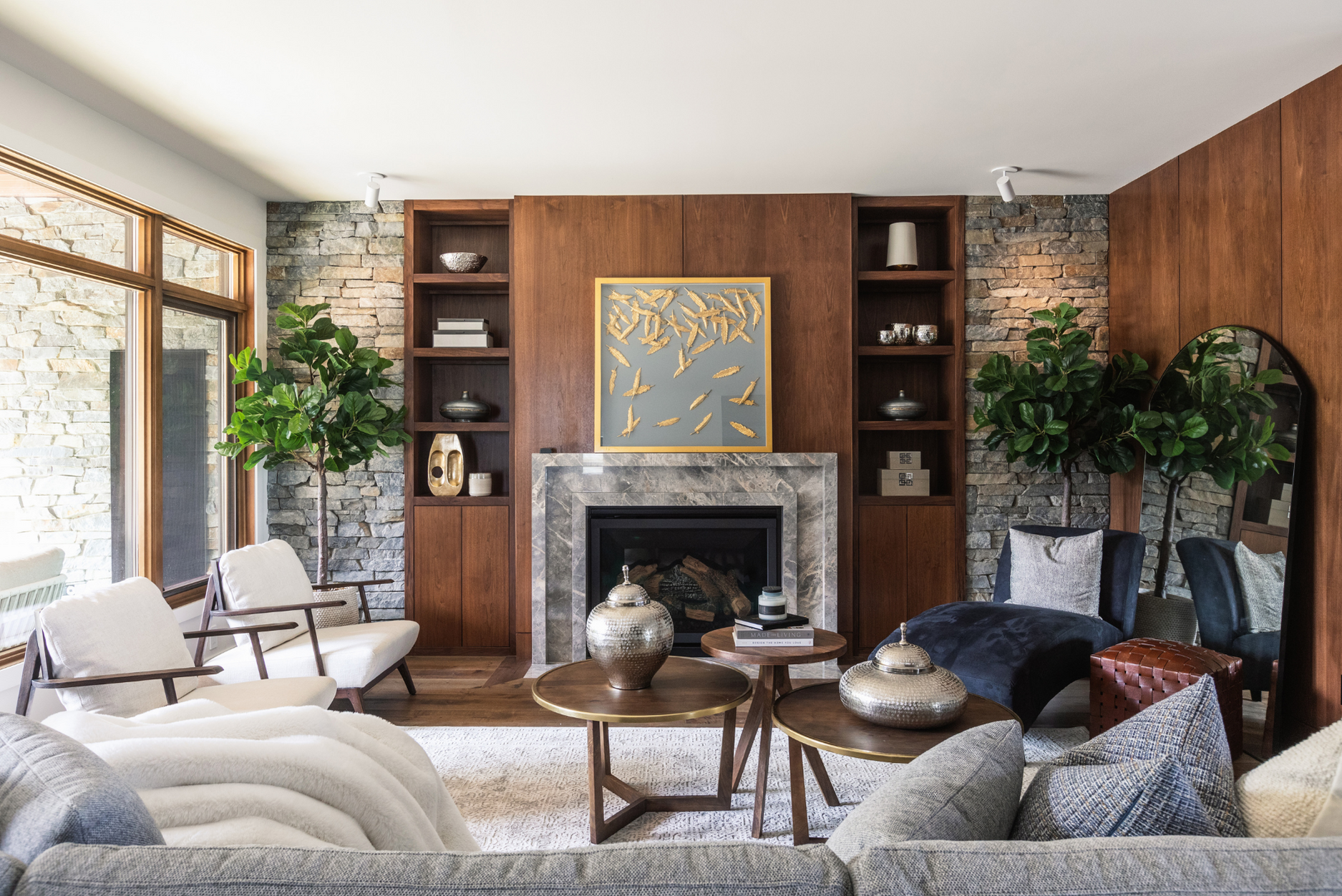
Task lighting is essential for reading, working, or hobbies. Focused lights for living room activities should be placed near seating areas without being too bright. Adjustable lamps work well because they can be repositioned as needed.
Combining task and accent lighting makes the room more functional while keeping it visually comfortable.
Choose the Right Light Bulbs and Light Temperature
Even the best living room light fixtures won’t work if the bulbs aren’t right. Warm white bulbs create a cozy feel, while cooler tones feel more modern and crisp.
LED ceiling lights are a popular choice because they are long-lasting, energy-efficient, and available in different colour temperatures. Adding dimmers allows you to adjust brightness throughout the day and gives you more control over your living room lighting.
Match Lighting to Your Living Room Style
Lighting should support your overall design, not compete with it.
Modern spaces benefit from clean ceiling lights and simple hanging lights
Traditional rooms pair well with chandelier lighting and soft accent lamps
Casual homes often use flush mount ceiling lights mixed with warm table lamps
A professional Edmonton interior designer can help coordinate living room lighting with furniture placement, wall colour, and ceiling height so everything feels cohesive.
Lighting should also reflect how visually busy or minimal your space is. In rooms with bold furniture, home renovation, or layered décor, simpler light fixtures help prevent the space from feeling overwhelming.
Clean-lined ceiling lights or understated flush mount ceiling lights can provide balance while still delivering effective living room illumination. In more minimal spaces, statement lighting works well because it adds interest without competing with other design elements.
Ceiling height is another factor that often gets overlooked. Taller ceilings allow for hanging lights or chandelier lighting that draws the eye upward and emphasizes scale. Lower ceilings benefit from fixtures that sit closer to the surface, keeping the room open and comfortable. Matching light fixtures to ceiling height ensures the living room lighting feels proportional, improves sightlines, and supports a cohesive overall design rather than disrupting it.
Common Lighting Mistakes to Avoid
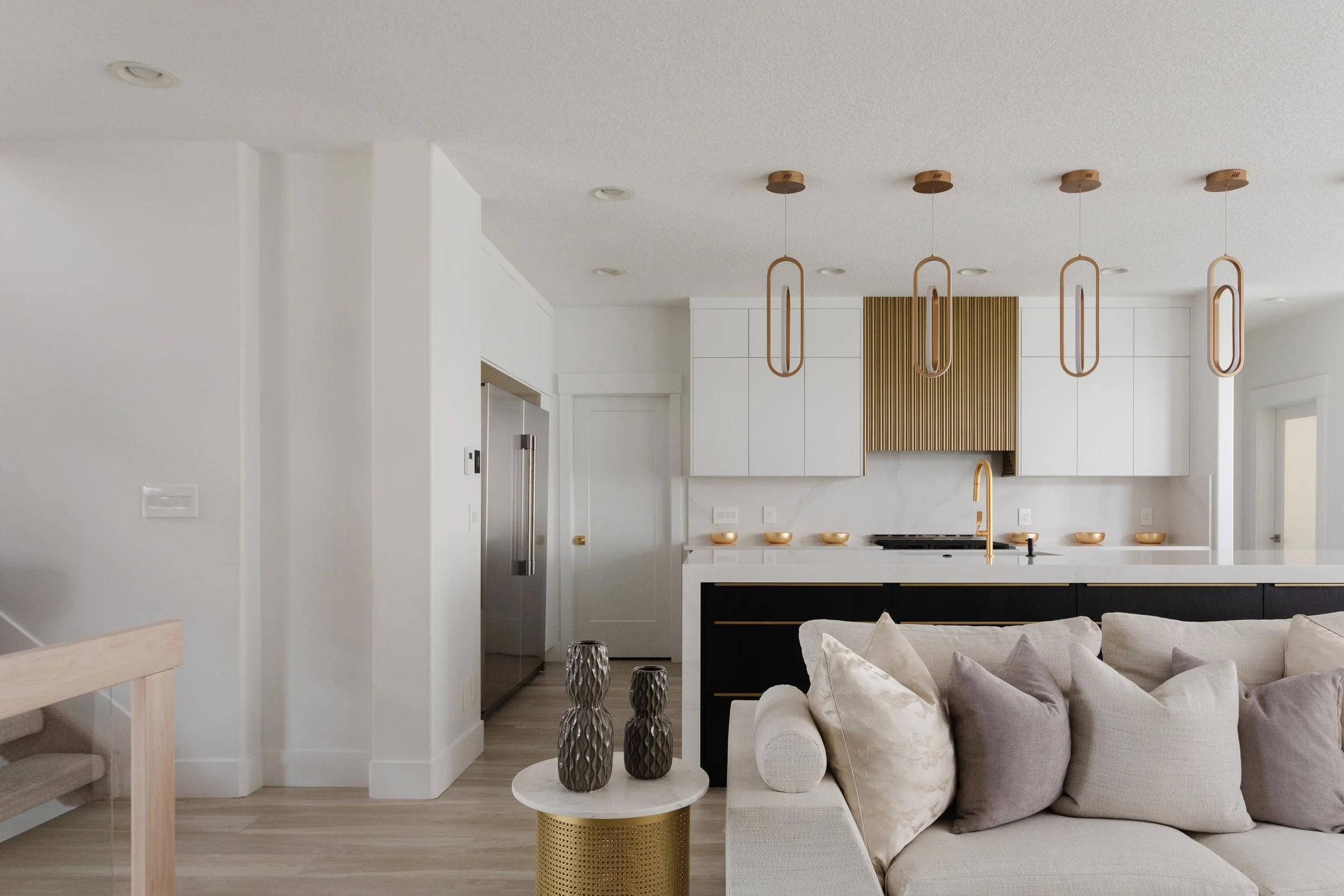
Many living rooms feel uncomfortable because of simple lighting mistakes:
Relying on a single overhead light
Choosing light fixtures that are too small for the room
Ignoring dimmers
Mixing different bulb colours across fixtures
Avoiding these issues helps your living room illumination feel balanced and intentional rather than accidental.
Bring It All Together
Well-planned lighting improves how a room looks and how it feels to live in. The right mix of ceiling lights, decorative light fixtures, and accent lighting creates a space that adapts to daily life. When lighting is layered correctly, your living room with light feels comfortable, functional, and visually complete.
Thoughtful planning, smart fixture choices, and attention to scale make all the difference. With the right approach, your living room lighting can enhance both style and comfort without feeling overdesigned.