
House Staging to Sell Faster
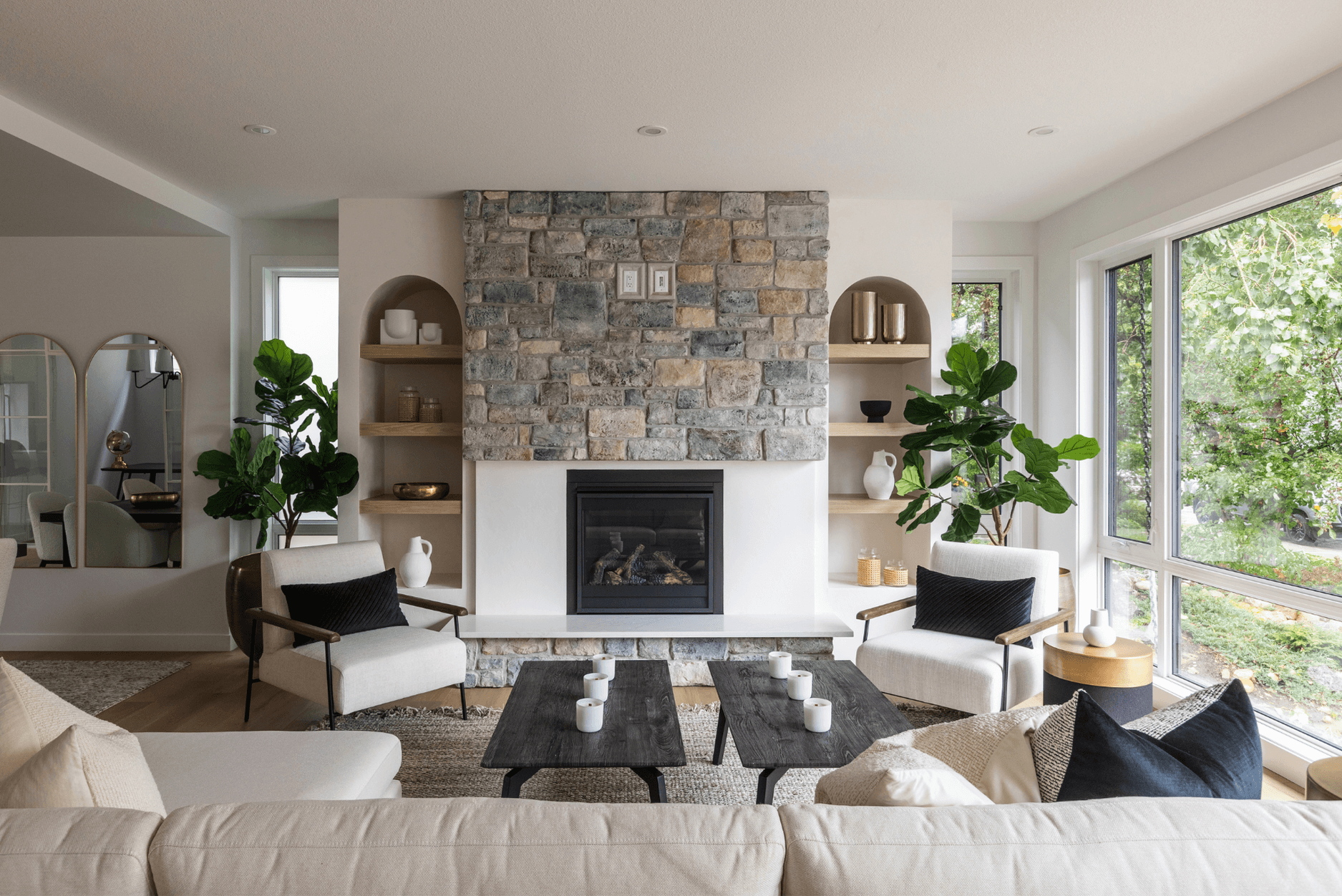
Selling your home faster comes down to presentation, and that’s exactly what house staging is designed to improve. By decluttering, optimizing the layout, and creating a neutral, inviting look, you make it easier for buyers to connect emotionally and see the home’s full potential, which often leads to quicker, stronger offers.
At Tailored Interior, we’ve worked with countless homeowners who want to maximize their property’s appeal. Whether you’re working with home staging companies or tackling things yourself, understanding the strategy behind staging is what separates a slow listing from a quick sale.
What is House Staging and Why Does it Matter?
When people search for home stagers near me, they’re usually looking for one thing: results. But before you hire anyone, it’s important to understand what staging actually does. At its core, staging is about presenting your home in its best possible light. It’s not decorating for your personal taste. It’s designed for your buyer.
Good staging also helps your listing stand out online. Since most buyers start their search digitally, your photos need to instantly capture attention. A well-staged home creates that scroll-stopping moment that gets people to click, book showings, and take the next step.
The Psychology Behind Staging a Home
Buyers don’t just look at square footage or finishes. They respond emotionally. A well-staged home feels inviting, clean, and move-in ready. That’s why staging a home works so well. It removes distractions and highlights your home’s strongest features.
When buyers walk into a properly staged space, they’re not analyzing, they’re imagining. They start picturing their furniture, their routines, and their lifestyle in that home. That emotional connection is what turns interest into serious intent.
How Staging Impacts Sale Price and Speed
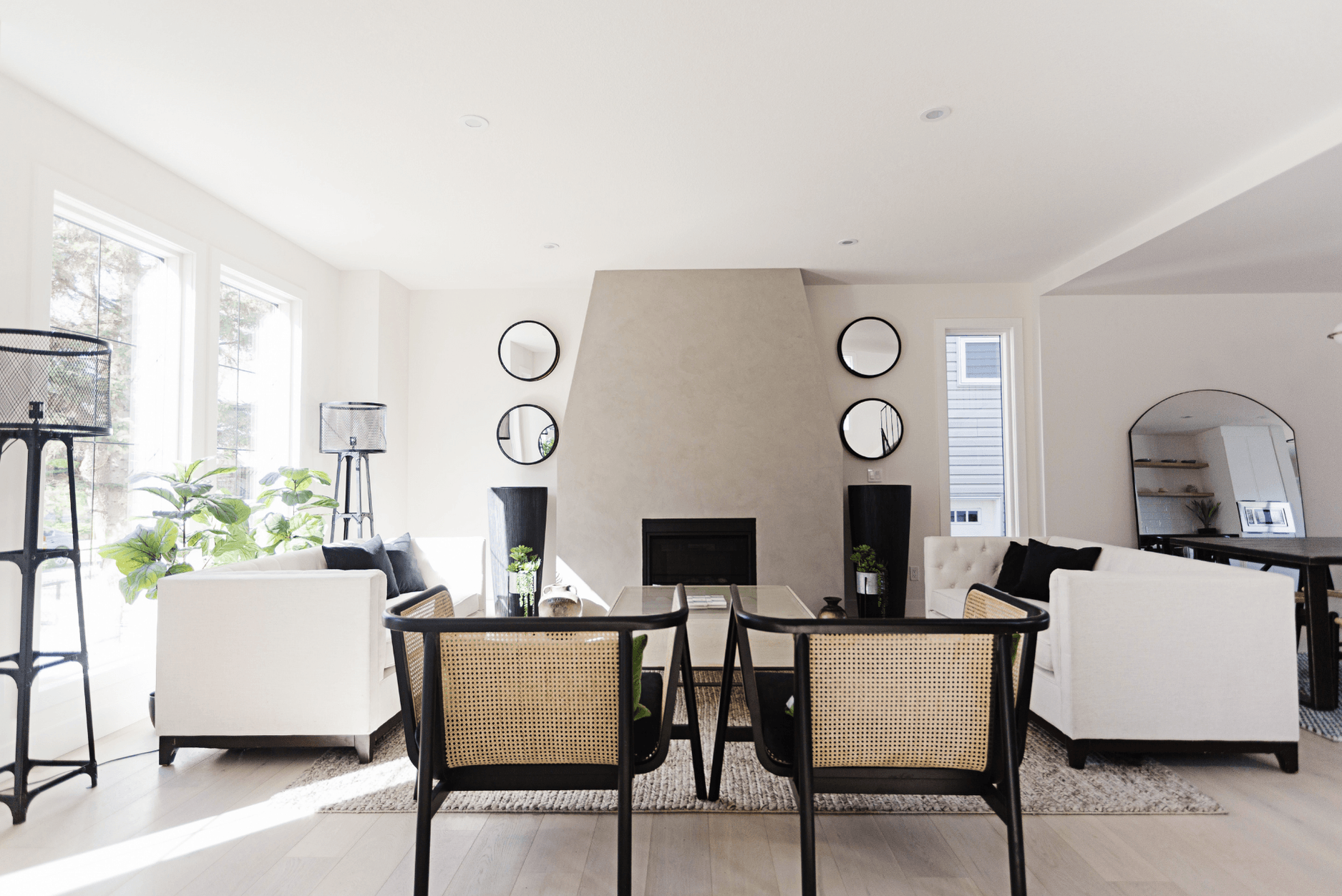
Homes that are staged properly tend to:
Sell faster than unstaged homes
Receive more competitive offers
Photograph better for online listings
If you’re comparing a staged home versus an empty one, the staged version almost always wins. That’s why working with a professional house staging company is a smart investment.
Another key factor is perceived value. Even small details like lighting, layout, and furniture scale can make a home feel more expensive. Strategic staging can subtly influence how buyers interpret your home’s worth.
Home Staging Strategies That Actually Work
If you’re wondering how to stage a home for sale, the process isn’t random. There’s a clear strategy behind every decision. Professional staging always follows a plan that aligns with your target buyer and local market expectations.
Declutter and Depersonalize
The first step is always to remove anything that makes the home feel too personal. Family photos, bold decor, and clutter can distract buyers. The goal is to create a clean slate where buyers can imagine their own life.
Decluttering also makes rooms feel bigger, which is a major advantage during showings. Even small spaces can feel open and functional when excess items are removed.
Focus on Key Rooms First
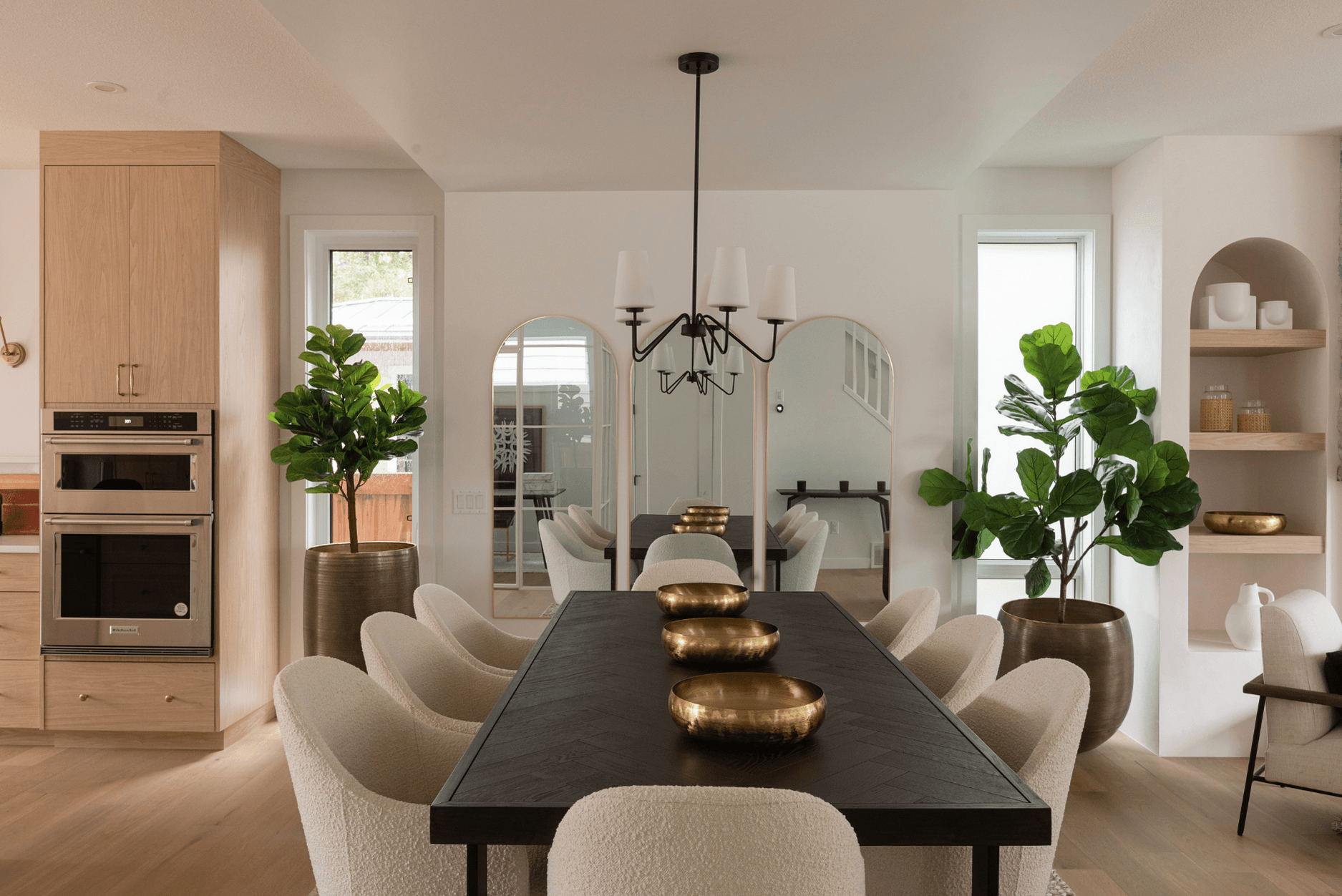
Not every space needs the same level of attention. Prioritize:
Master bedroom staging
These areas have the biggest impact on buyer perception. If you’re working with a limited budget, focusing your staging efforts here will give you the highest return.
Use Neutral Design That Appeals to Everyone
Neutral tones help create a calm, welcoming environment. You don’t want bold colours that limit appeal. Think soft whites, warm beiges, and subtle textures. This approach also helps your home photograph better. Neutral palettes reflect light more effectively and create a polished, high-end look that buyers expect.
Maximize Space and Flow
Furniture staging matters more than most people think. Proper layout makes rooms feel larger and more functional. This is especially important when staging a house to sell because buyers are constantly evaluating space. Even shifting furniture a few inches or removing one oversized piece can completely transform how a room feels.
Highlight Lighting and Brightness
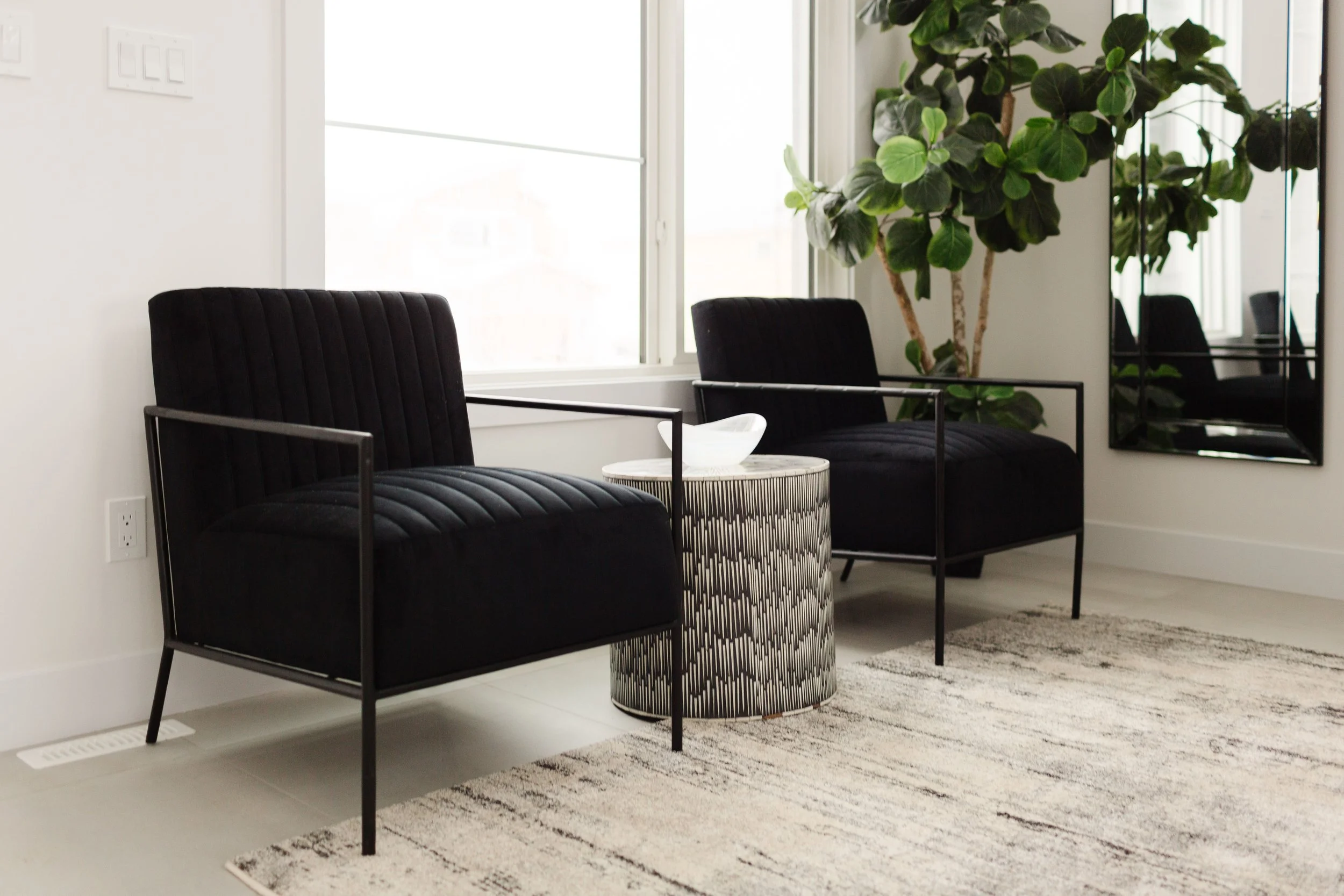
Natural light is one of the biggest selling points. Open curtains, clean windows, and add layered lighting where needed. A bright home feels bigger, cleaner, and more inviting. Don’t underestimate artificial lighting either. Warm lighting can make a space feel cozy, while brighter lighting works better in kitchens and bathrooms.
Staging Your Home to Sell Tips From Experts
If you’re planning on staging your home to sell, small details can make a big difference. These finishing touches are often what separate average staging from professional-level results.
Start With a Deep Clean
Before anything else, your home should be spotless. That includes:
Clean floors
Clean baseboards
Clean windows
Clean bathrooms
Clean kitchen surfaces
Cleanliness signals that the home has been well cared for. Buyers notice even the smallest details, so this step is non-negotiable.
Create a Strong First Impression
Your front entrance sets the tone. Fresh paint on the door, clean landscaping, and good lighting all help. Buyers often decide how they feel about a home within seconds of arriving, so curb appeal plays a major role in successful staging.
Add Texture and Layers
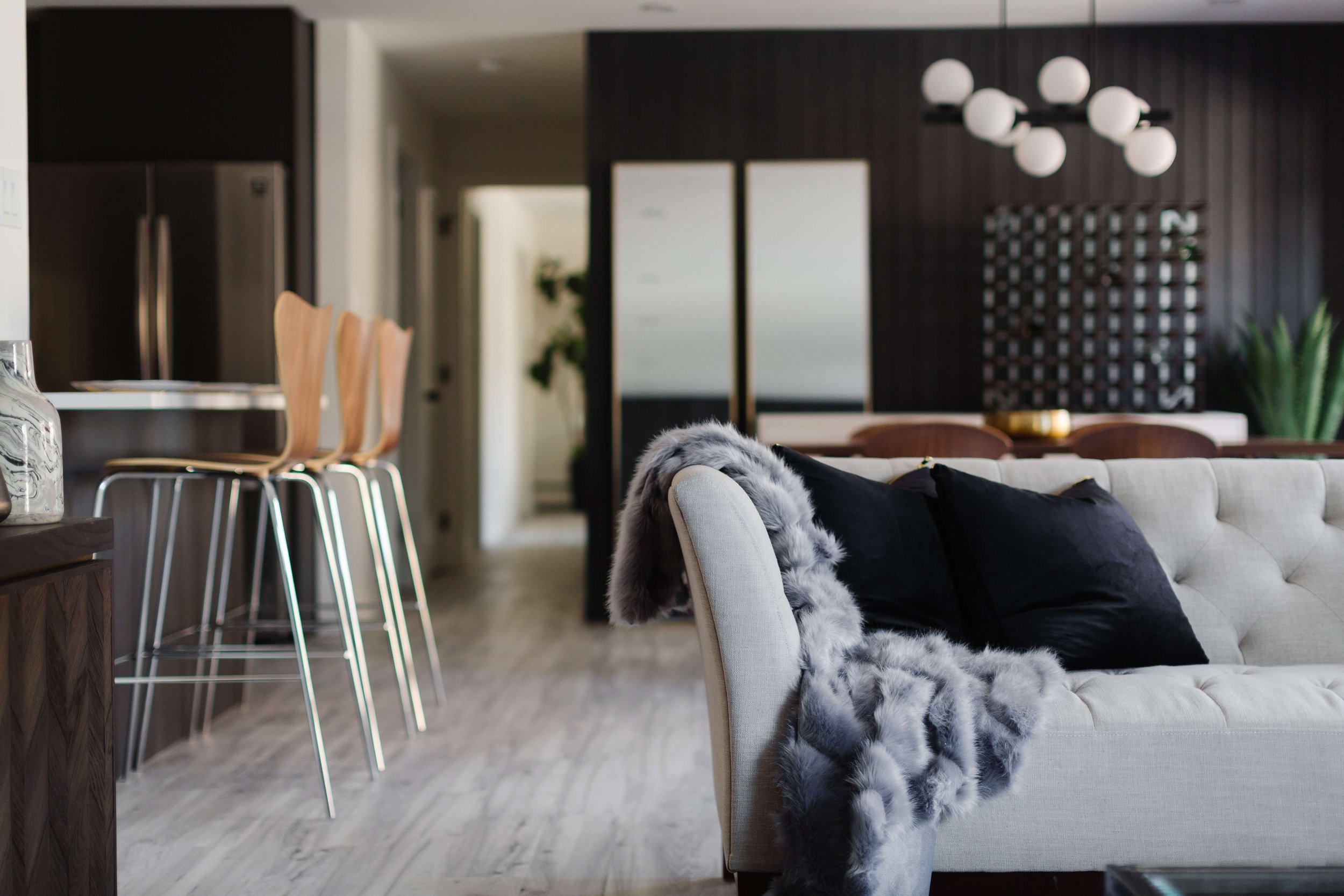
Soft furnishings like throw pillows, rugs, and blankets make a space feel lived-in without being personal. These subtle additions are part of effective staging your home to sell tips that professionals use all the time. Layering also adds depth to a room, making it feel more complete and thoughtfully designed.
Keep it Minimal but Intentional
Less is more, but empty isn’t the goal. You want each room to feel complete without being overcrowded. Intentional staging ensures that every piece serves a purpose, whether it’s adding warmth, defining space, or guiding the buyer’s eye.
Use Accessories to Tell a Story
A few carefully placed items can suggest how a space is used. A dining table set for dinner or a cozy reading corner can help buyers connect emotionally. This storytelling element is a powerful part of staging because it helps buyers visualize their lifestyle in the home.
House Staging Services vs DIY: What’s Better?
One of the biggest questions homeowners ask is whether to hire professionals or do it themselves.
When to Hire Professionals
If your home is vacant or you’re aiming for top dollar, professional home staging services can make a huge difference. They bring experience, design expertise, and access to inventory. Professional staging also ensures consistency throughout the home, which can be difficult to achieve on your own.
What Professionals Provide
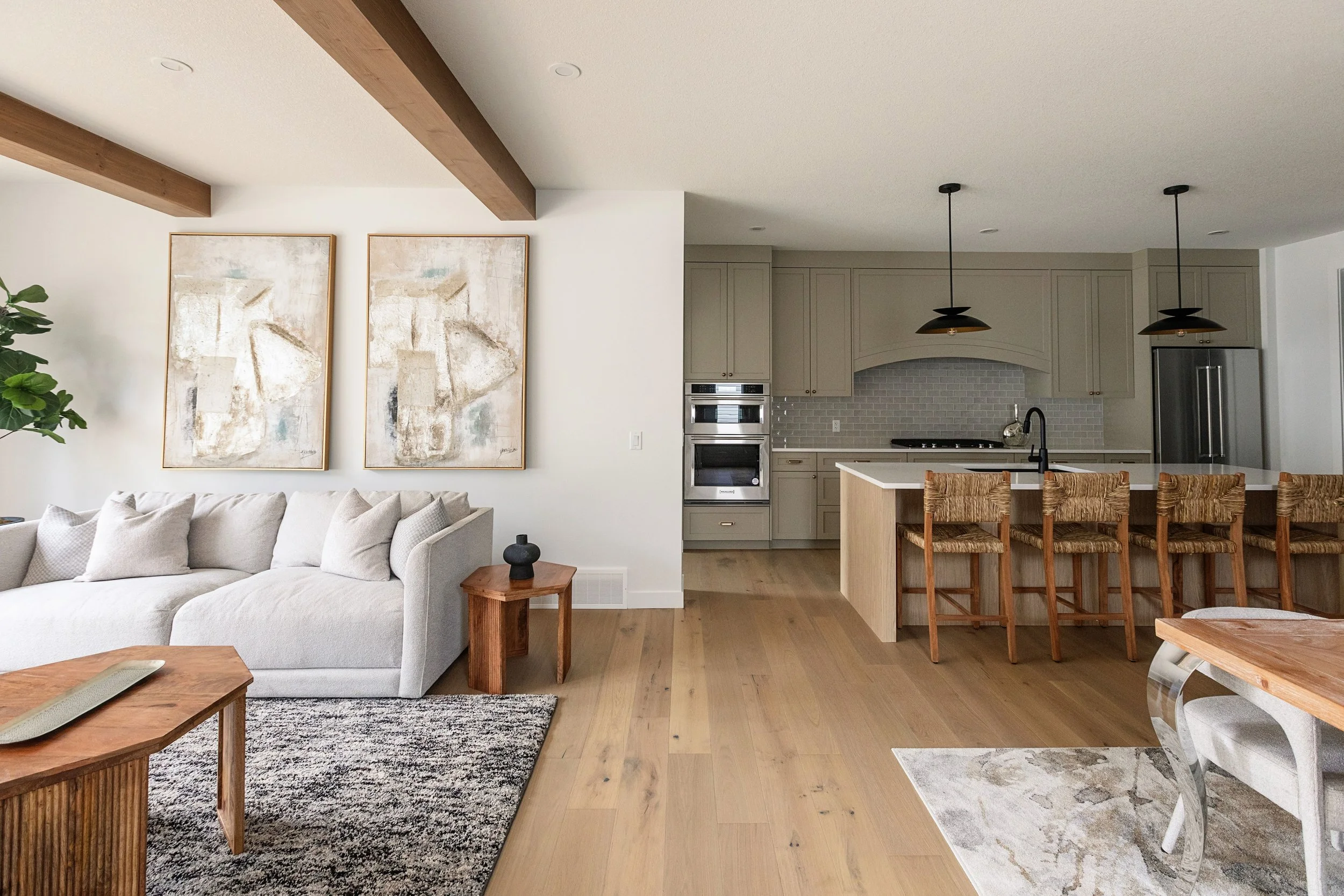
Most home staging services include:
Furniture selection and placement
Styling and decor
Layout optimization
Market-specific design strategies
They often use curated house staging furniture that’s chosen specifically to appeal to your target buyer.
When DIY Staging Works
If you’re still living in the home and have a good eye for design, you can handle some staging yourself. Focus on decluttering, cleaning, and rearranging your existing furniture. Even simple changes like repositioning furniture or updating accessories can improve how your home presents.
Understanding the Investment
A common concern is home staging cost. While it does require an upfront investment, it often pays off through a higher sale price or quicker closing. Think of staging as part of your marketing strategy, not just an expense.
How to Prepare My Home for Sale Like a Pro
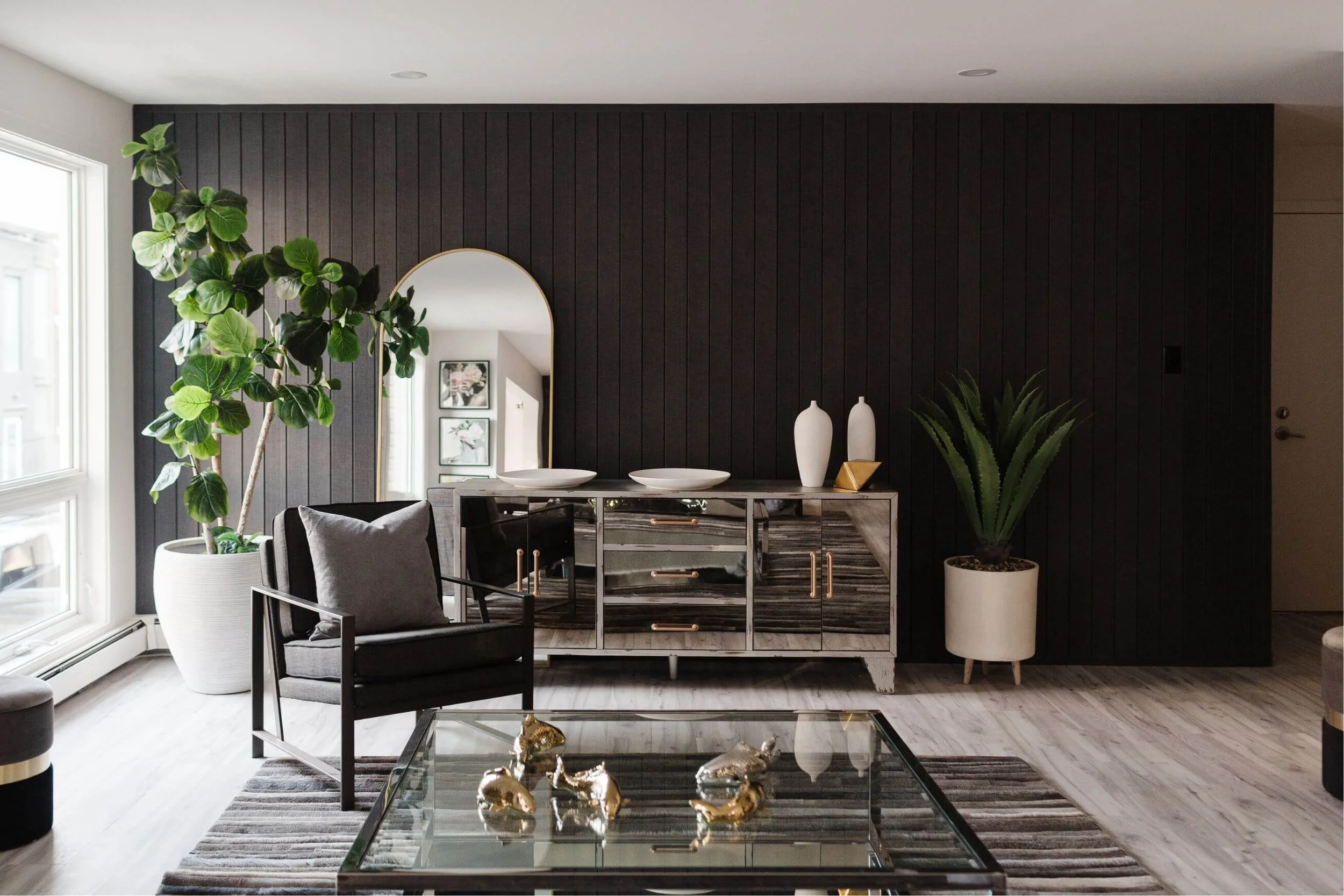
If you’ve ever asked yourself how to prepare my home for sale, staging is just one part of the equation.
Make Necessary Repairs
Small issues like chipped paint, loose handles, or outdated fixtures can turn buyers off quickly. Fixing these before listing can make a big difference. These small upgrades show buyers that the home has been maintained properly.
Boost Curb Appeal
Exterior appearance matters just as much as the interior. Clean pathways, trimmed landscaping, and a welcoming entry all help. A strong exterior sets expectations for what buyers will see inside.
Create a Consistent Design Flow
Every room should feel connected. This doesn’t mean everything has to match perfectly, but there should be a clear design direction. Consistency helps the home feel cohesive and professionally styled.
Work With Experts Who Understand the Market
Partnering with professionals like our Edmonton interior designers can give you a serious advantage. At Tailored Interior, we understand what local buyers are looking for and how to position your home accordingly.
Final Walkthrough Before Listing
Before your home hits the market, do one last walkthrough. Look at it from a buyer’s perspective. Is it clean, bright, and inviting? This final step ensures your staging efforts are working exactly as intended.
Final Words on Home Staging
Selling a home is competitive, and presentation plays a major role in how quickly and profitably your property sells. Whether you choose to work with professionals or take a DIY approach, staging is one of the most effective ways to stand out.
From decluttering and lighting to furniture placement and design flow, every detail matters. When done right, staging transforms your home into something buyers can’t resist.
If you’re serious about selling faster and maximizing value, investing time and effort into staging is one of the smartest moves you can make.