
Living Room Renovation Cost Guide 2026
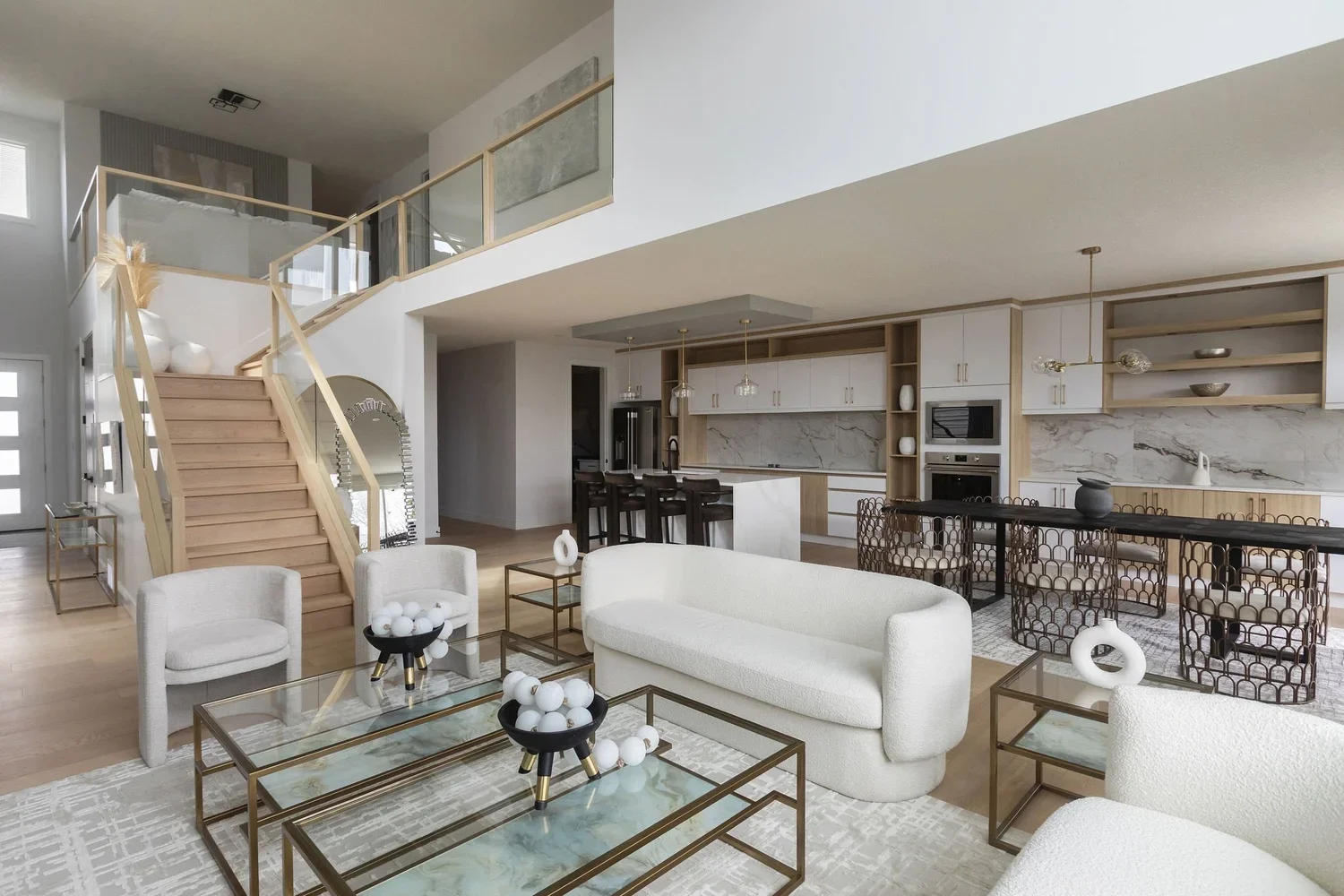
If you’re planning a renovation, your first question is usually about price. The living room renovation cost in 2026 typically ranges from $8,000 to $45,000+, depending on finishes, size, and scope. A basic refresh sits on the lower end, while full custom upgrades push costs higher.
At Tailored Interior, we’ve worked on everything from small updates to full luxury transformations. This guide walks you through real numbers, what impacts pricing, and how to plan your budget properly so you don’t get surprised halfway through.
What is the Average Cost to Renovate a Living Room?
The cost to renovate living room spaces usually falls between $8,000 and $45,000+. A basic refresh covers paint and flooring, while a high-end renovation includes custom millwork, lighting systems, and premium materials. Your final number depends on design choices, labour, and how much you change.
Most homeowners underestimate how quickly costs add up. It’s not just one big expense. It’s multiple smaller decisions that stack together. For example, upgrading flooring might seem straightforward. But once you add subfloor repairs, trim, and labour, the cost increases fast. The same applies to lighting, built-ins, and wall treatments. Understanding the full scope early is what separates a smooth project from a stressful one.
How Much Does it Cost to Renovate a Living Room Based on Scope?
The cost to renovate a living room depends heavily on the level of renovation. A light refresh costs far less than a full redesign. Most projects fall into three categories: basic, mid-range, and high-end.
A basic refresh usually includes repainting walls, updating light fixtures, and replacing flooring. This is ideal if your layout works, but the space feels outdated. A mid-range renovation adds more customization. Think engineered hardwood, feature walls, or a fireplace update. This is where the room starts to feel intentionally designed.
A high-end renovation involves structural changes, custom built-ins, and premium finishes. This is a full transformation, not just an upgrade. Choosing the right level depends on your goals, not just your budget.
What is Included in a Living Room Renovation Cost?
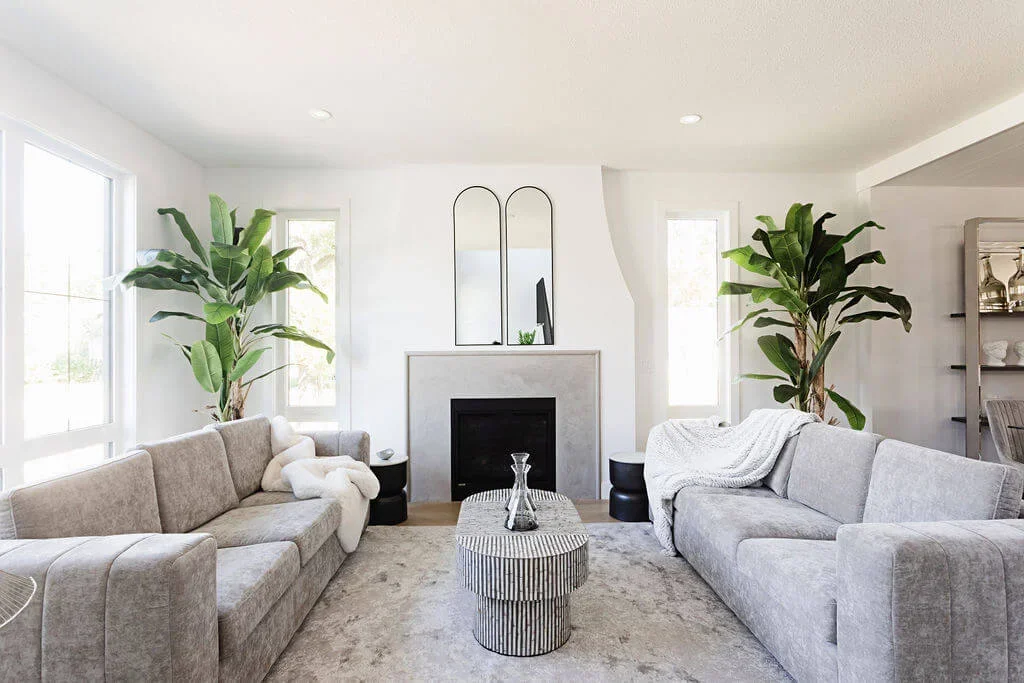
A complete living room renovation cost estimate includes flooring, walls, lighting, feature elements, labour, and design fees. It’s not just materials. It’s everything required to take the space from start to finish.
Flooring is often the highest cost. Wall treatments like paint or wallpaper come next. Then you have feature elements like fireplaces or built-ins that can significantly impact pricing. Labour is another major factor. Skilled trades are essential for quality results, and their rates reflect that.
At Tailored Interior, we build detailed estimates so clients know exactly where every dollar is going before work begins.
What Does a $15,000 Living Room Renovation Look Like?
A $15,000 renovation typically covers new flooring, fresh paint, updated lighting, and simple window treatments. It focuses on visual improvement without major structural changes. This budget works best when your layout stays the same. This level is all about impact per dollar.
Swapping out old carpet for LVP flooring can completely change the feel of a room. Adding a feature wall can create a focal point without a large investment. You won’t get custom-built-ins or a new fireplace at this level. But you can still achieve a clean, modern look that feels refreshed and intentional.
What Can You Expect From a $25,000 Living Room Renovation?
A $25,000 renovation introduces higher-end materials and more customization. This often includes engineered hardwood flooring, upgraded lighting, and possibly built-ins or a fireplace reface.
This is where design starts to matter more. Instead of just replacing items, you’re coordinating them. Colours, textures, and finishes all work together. At this level, working with an Edmonton interior designer becomes valuable. A well-planned design ensures your budget is used efficiently and the final result feels cohesive rather than pieced together.
What Does a $40,000+ Living Room Renovation Include?
A $40,000+ renovation is a full transformation. It typically includes solid hardwood flooring, custom built-ins, smart lighting, and high-end finishes throughout. Every detail is planned and executed with precision.
This is where the space becomes fully customized to your lifestyle. Built-ins can replace bulky furniture and create clean storage. Smart lighting allows you to adjust the mood of the room instantly. At this level, the goal isn’t just aesthetics. It’s long-term function and value.
What Factors Affect Living Room Renovation Costs?
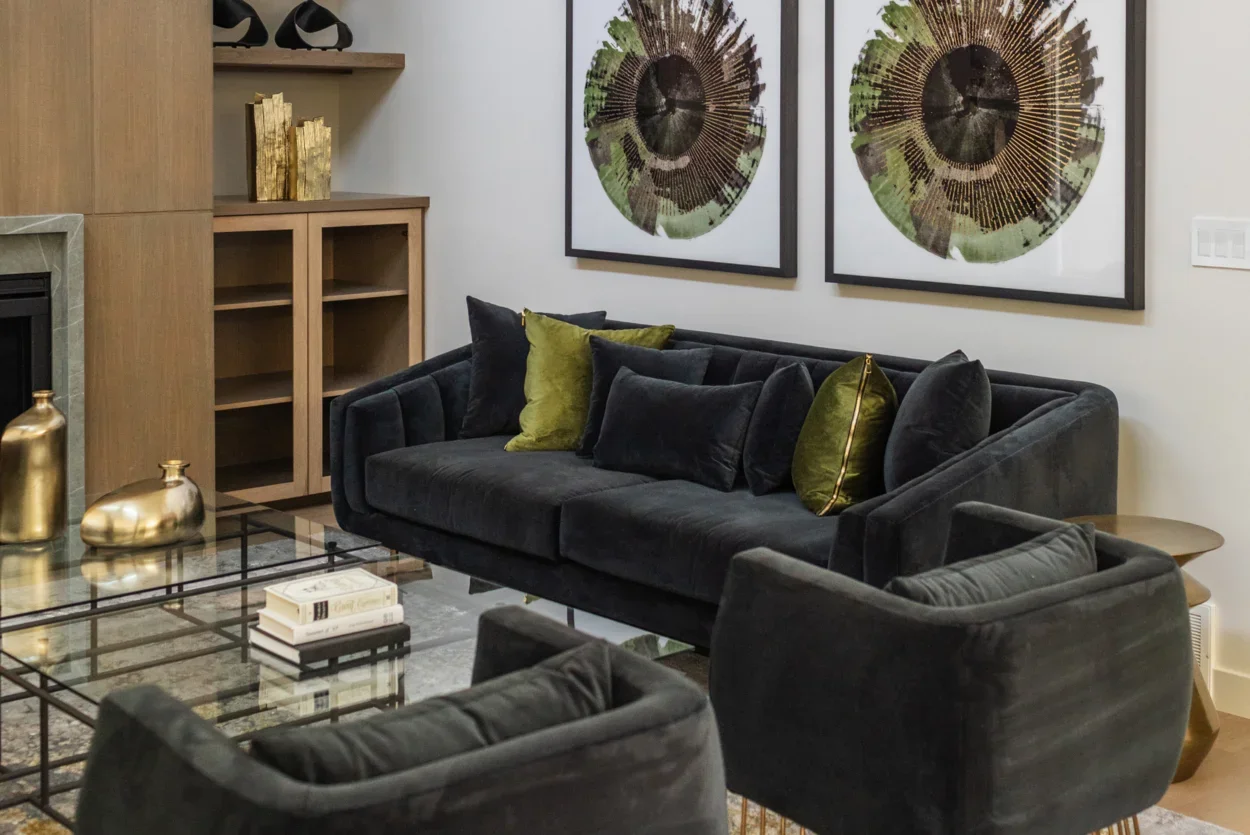
Living room renovation costs vary based on size, materials, labour, and structural changes. Larger rooms require more materials and time. Higher-end finishes increase costs quickly. Structural work adds significant expense.
One of the biggest variables is the condition of your existing space. Older homes may require electrical upgrades or repairs behind the walls. These aren’t visible upgrades, but they’re necessary. Labour rates also vary depending on the trades involved. Skilled professionals cost more, but they prevent costly mistakes later.
How Much Does Flooring Impact the Total Cost?
Flooring can account for a large portion of your total budget. Depending on the material, costs can range from $1,500 to $10,000+ for an average-sized living room. LVP is the most budget-friendly option. It’s durable and works well in high-traffic areas.
Engineered hardwood offers a balance between cost and aesthetics. Solid hardwood is the premium option, often chosen for long-term value. Choosing the right flooring depends on how you use the space, not just how it looks.
Are Built-Ins and Fireplaces Worth the Investment?
Built-ins and fireplaces add both function and visual impact. While they increase your upfront cost, they often provide the highest return in terms of usability and home value. Custom built-ins help eliminate clutter. They create a clean, organized look that standalone furniture can’t match.
Fireplaces act as a focal point. Even a simple reface can completely change the room. If your budget allows, these features are worth considering.
What is the Cost of Wall Treatments and Finishes?
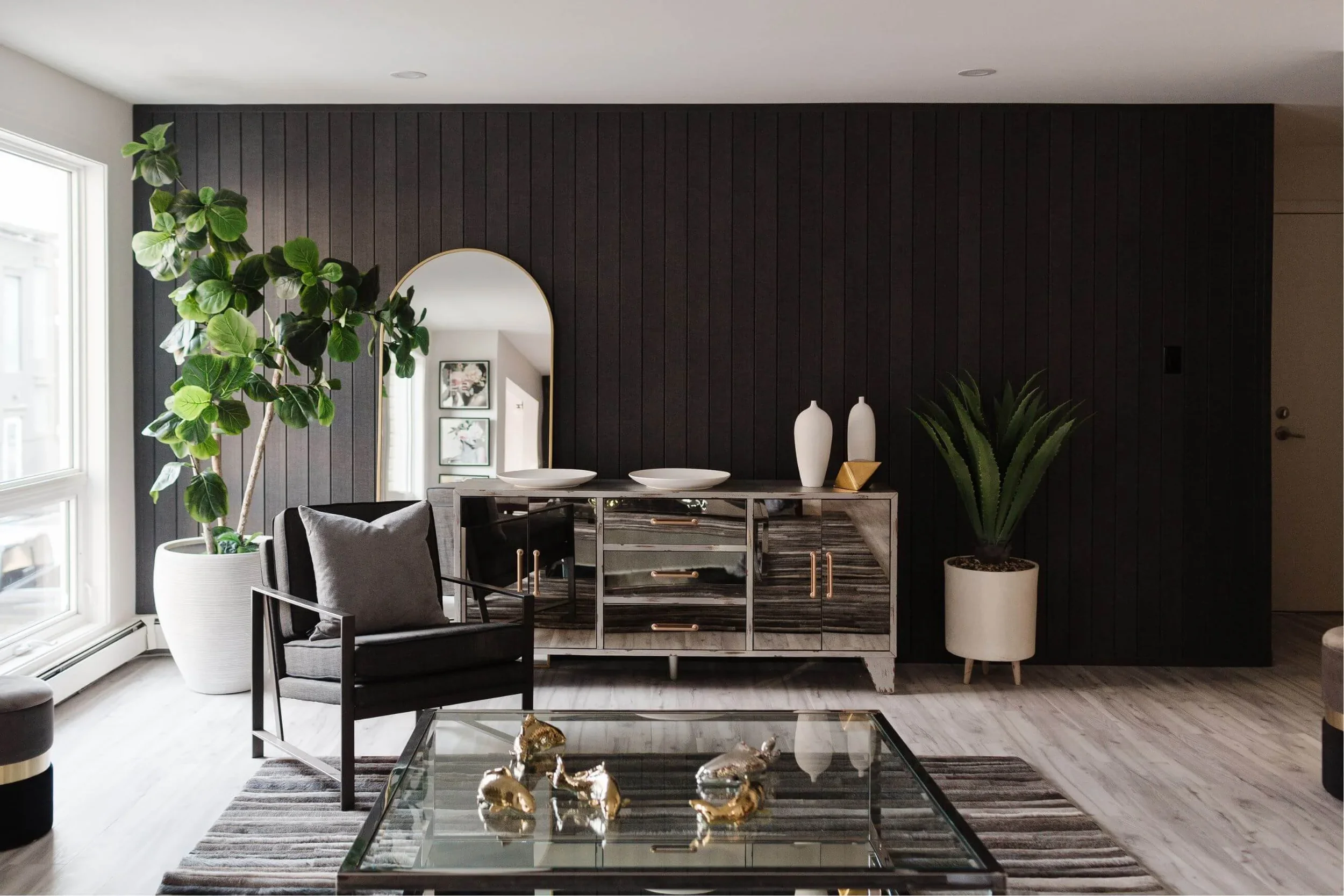
Wall treatments range from $500 to $2,500+, depending on the material and design. Paint is the most affordable option, while wallpaper or textured finishes cost more. A feature wall is one of the best ways to create impact without a full renovation.
You can use bold paint, wallpaper, or even wood paneling. It draws attention and defines the space. Small changes like this can make a big difference when done correctly.
Should You DIY or Hire Professionals?
DIY can save money on simple tasks like painting or demolition. But for complex work, hiring professional contractors is essential. Mistakes in electrical, gas, or structural work can cost far more to fix later.
The best approach is a mix. Handle what you’re confident in, then bring in experts for technical work. At Tailored Interior, we often work with clients who want guidance while still being involved in the process. This balance keeps costs under control without sacrificing quality.
What Hidden Costs Should You Plan For?
Hidden costs can add $2,000 to $10,000+ to your project. These include local permits, repairs, and unexpected issues behind walls. Permits alone can cost up to $2,000, depending on the scope.
Older homes may have asbestos or outdated wiring. These need to be addressed before finishing work begins. The best way to avoid surprises is to plan ahead and include a contingency budget.
How Much Should You Budget for Unexpected Expenses?
You should set aside 15 to 20% of your total budget for unexpected costs. This buffer protects you from delays and surprise expenses during the renovation. Without a contingency, even a small issue can derail your project. With one, you can handle problems without stress. This is one of the most important steps in planning a renovation.
How Do Combined Renovations Affect Pricing?
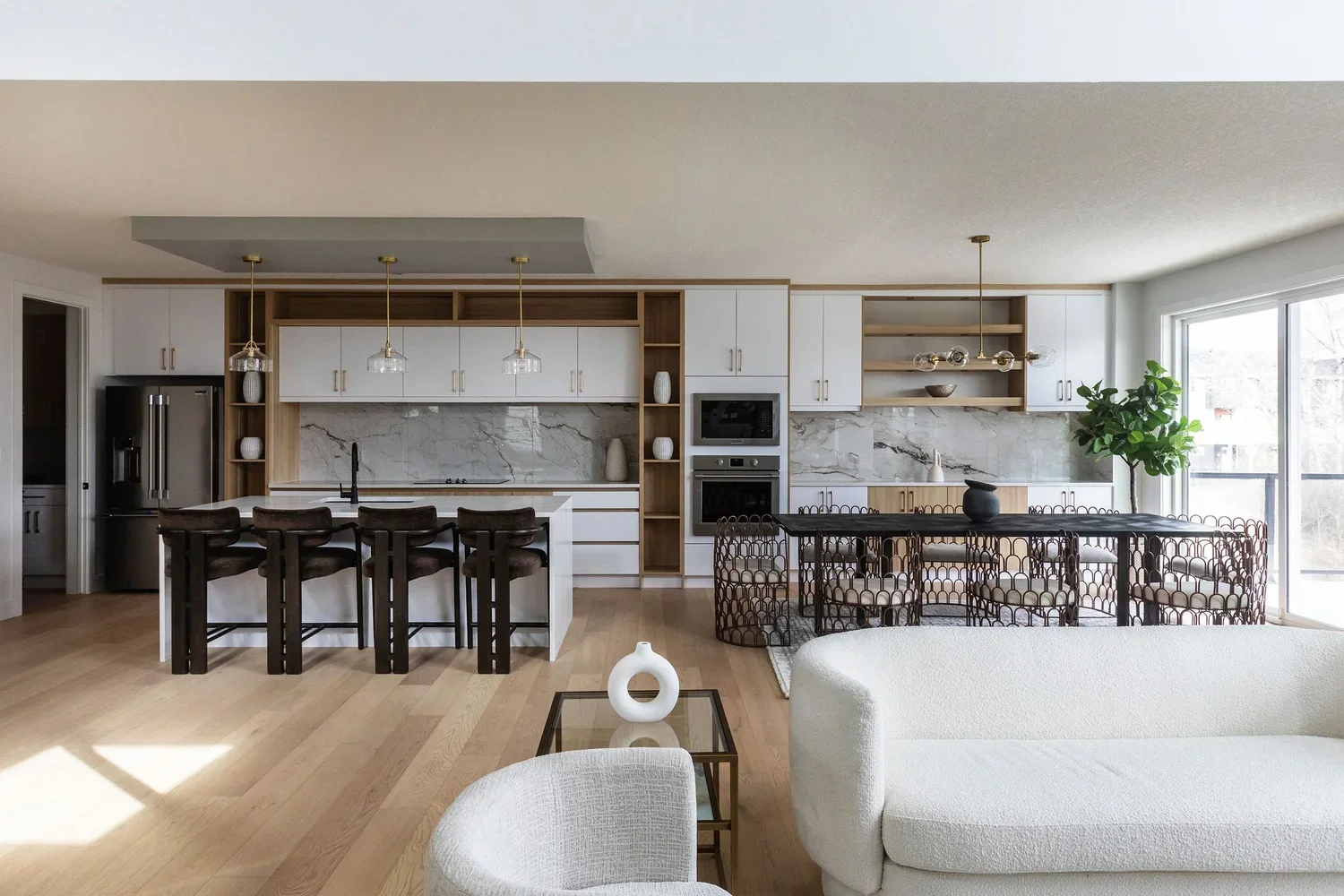
Combining projects can reduce overall costs. For example, a kitchen and living room renovation cost is often lower per room when done together. This is because trades are already on-site. Materials can also be ordered together, which improves efficiency.
The same applies to a living room bedroom renovation cost when spaces share flooring or design elements. If you’re considering multiple updates, doing them at the same time can save money.
How Do 2026 Design Trends Impact Renovation Costs?
Trends like open-concept layouts, smart lighting, and custom built-ins can increase your budget. But they also improve how the space functions and feels. Open-concept designs often require structural changes, which adds cost.
Smart lighting systems are more expensive upfront but offer long-term convenience. Trends should be used strategically. Focus on what improves your daily life, not just what looks good online.
How Do You Build an Accurate Living Room Renovation Cost Estimate?
A living room renovation cost estimates plan should break down every category individually. This includes materials, labour, design, and contingency. Avoid lump-sum budgeting.
Instead, assign costs to each part of the project. This gives you control and clarity.
Working with professionals helps refine these numbers. It ensures your estimate reflects real-world pricing, not guesswork.
Final Words on Living Room Renovation Prices
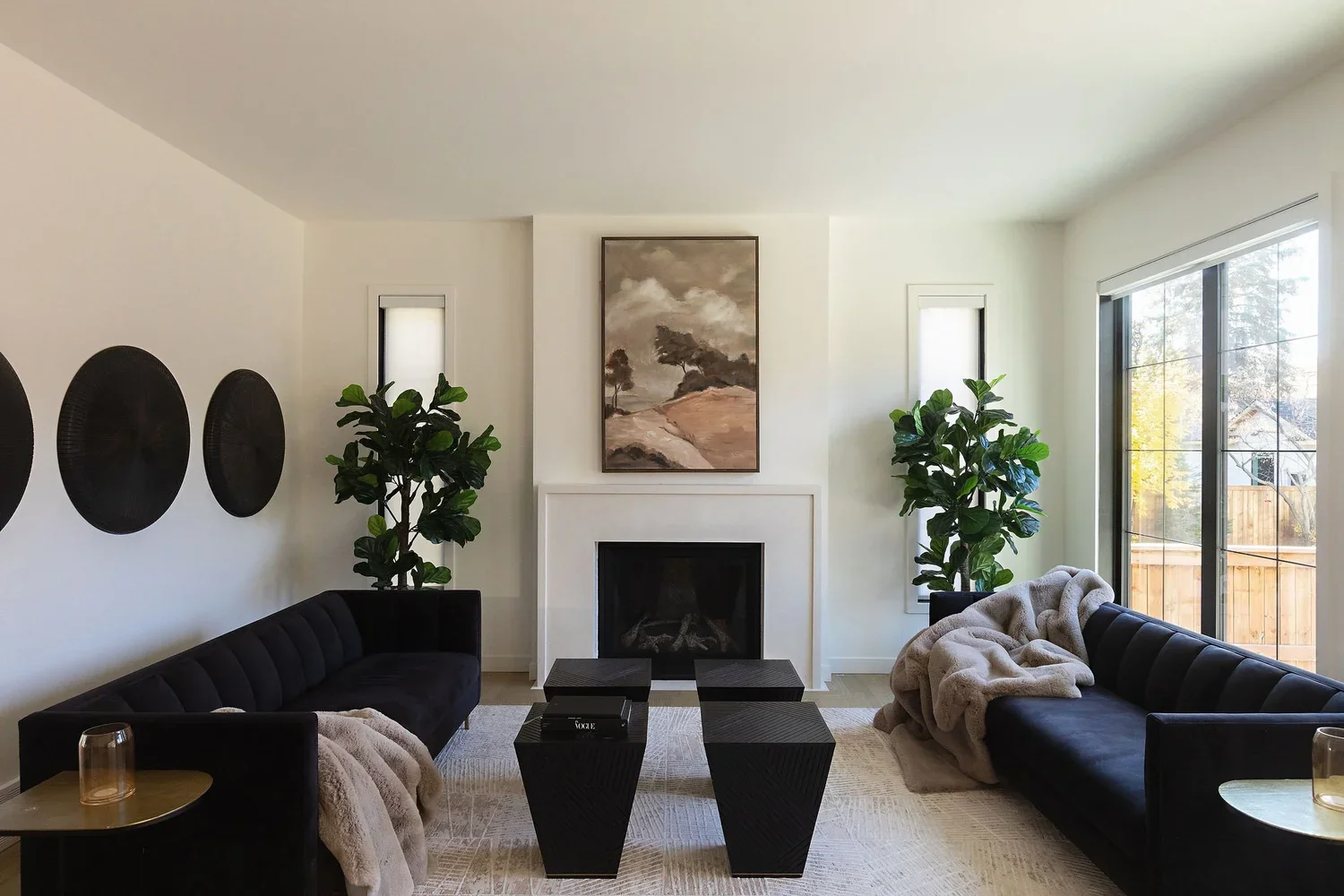
A successful renovation comes down to planning. Understanding your living room renovation cost estimate, setting a realistic budget, and prioritizing the right upgrades will keep your project on track.
At Tailored Interior, we focus on creating spaces that feel as good as they look. Whether you’re working with $15,000 or $40,000+, the goal is the same. Build a space that fits your lifestyle and adds long-term value to your home.