
How to Design a Contemporary Home
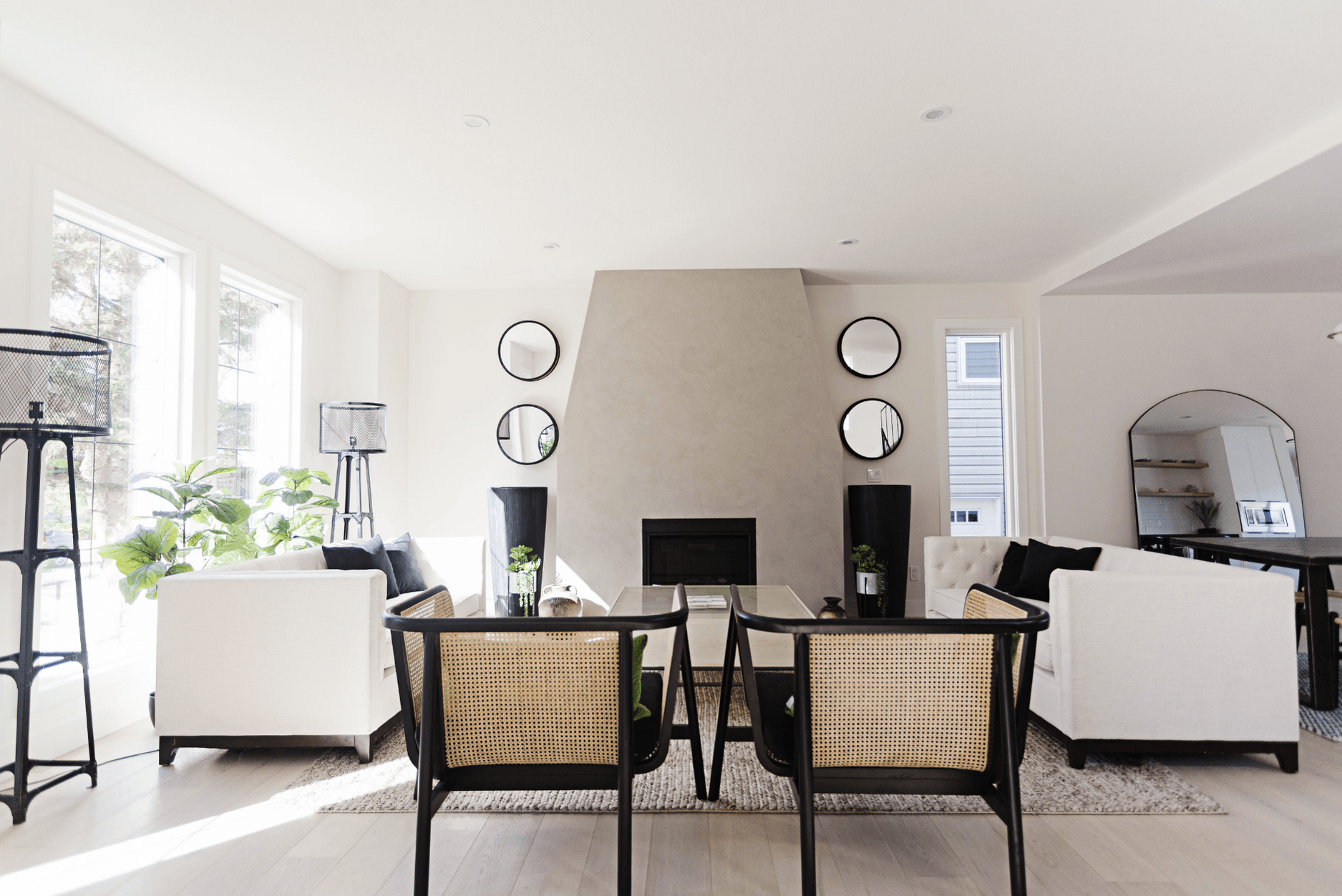
Designing a refined space today is about clarity, comfort, and intention. If you are learning how to design a contemporary home, the goal is not just to follow trends but to create a space that feels current, functional, and quietly opulent. A well-planned contemporary house balances clean lines, thoughtful materials, and smart layouts, often guided by tailored design solutions that align architecture and interior vision from the start.
This guide breaks down what defines a modern contemporary interior, how to plan a contemporary house design from the ground up, and how to bring luxury into the details without clutter. Whether you are building new or exploring professional renovation services, updating a small contemporary house design follows the same principles: simplicity, flow, and elevated finishes.
How to Design a Contemporary Home Step-By-Step
When approaching how to design a contemporary interior, think in layers:
Structure: layout, flow, ceiling height, and natural light.
Materials: Stone, wood, metal, and glass.
Colour Palette: Neutrals with contrast.
Architecture: Millwork, lighting, texture.
Minimalism: Contemporary spaces rely on discipline.
A contemporary house should feel open but not empty; the aim is intentional design. Every element must serve a purpose, visually or functionally.
What is Contemporary Interior Design?
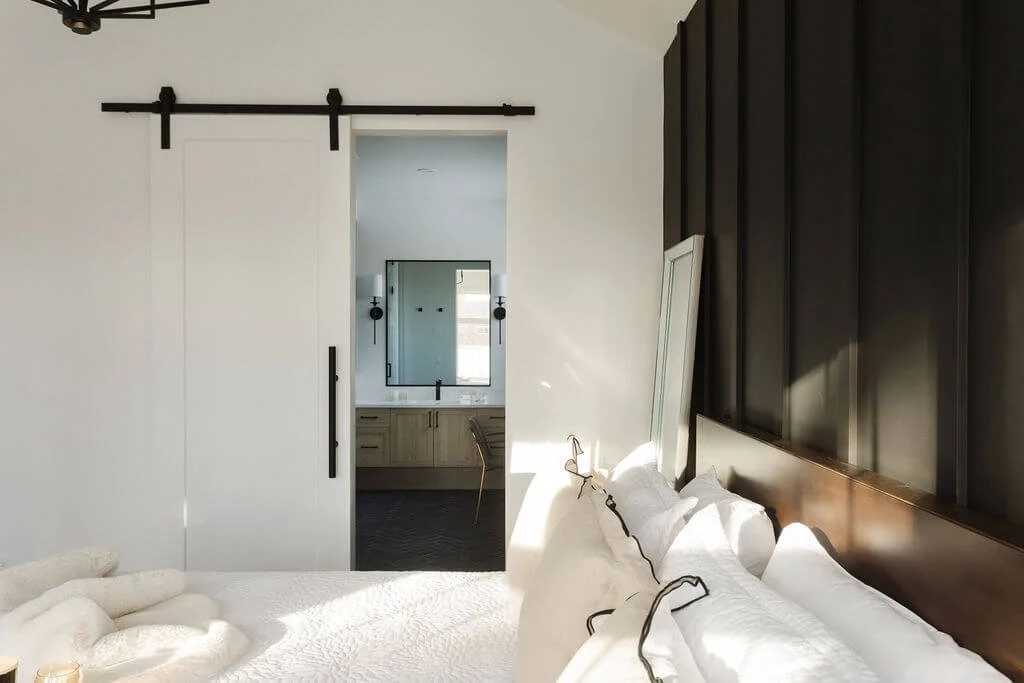
Many people ask, what is contemporary interior design? It refers to interiors that reflect current design thinking. It is not the same as mid-century modern or strictly minimal. Instead, it evolves.
In today’s context, modern contemporary homes emphasize:
Open layouts
Natural light
Mixed materials
Subtle luxury
Functional storage
A modern, contemporary interior avoids heavy ornamentation. Instead, it highlights form, proportion, and finish quality. The result is a contemporary house inside that feels curated but livable.
Contemporary Interior Design Characteristics
To design confidently, you need to understand core contemporary interior design characteristics. These characteristics shape every contemporary house design decision.
Natural Materials That Ground a Contemporary Space
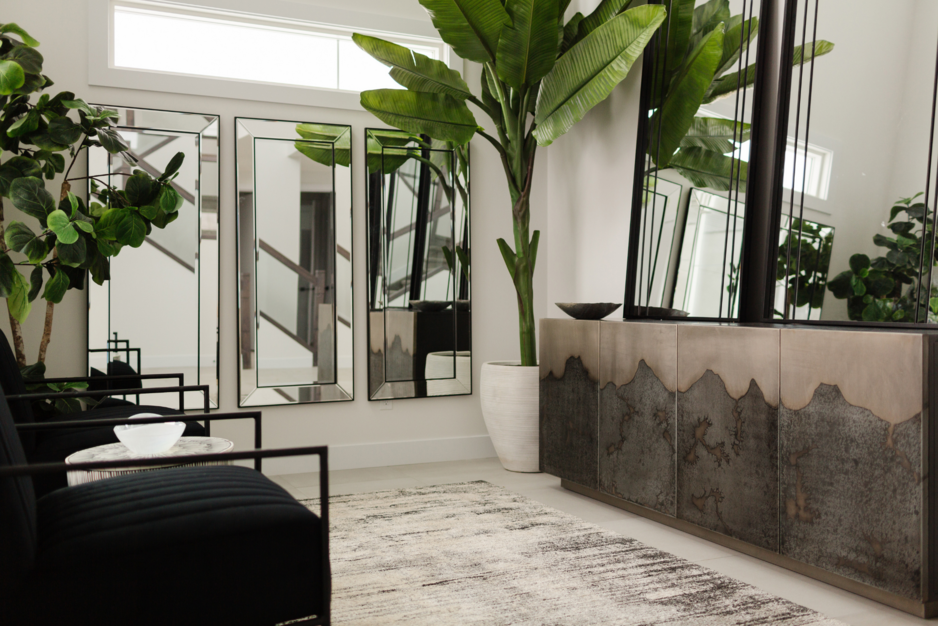
One of the most important contemporary interior design characteristics is the use of natural materials that create warmth and balance within a clean architectural environment. In a contemporary house, materials such as wide plank oak flooring, marble countertops, and limestone fireplaces establish a strong visual foundation. These elements prevent a modern, contemporary interior from feeling overly minimal or sterile while still maintaining the sleek aesthetic that defines contemporary house design.
Texture plays a major role here. Combining matte finishes, polished surfaces, and subtle natural grain creates depth without relying on heavy decoration. To achieve a cohesive look in modern contemporary homes, materials should be selected early in the design process so that flooring, cabinetry, wall finishes, and built-ins work together rather than feeling like separate additions. When natural materials are used thoughtfully and with restraint, they anchor the space and bring a sense of quiet luxury that defines contemporary interior architecture.
Architectural Lighting and Refined Metal Accents
Lighting and metal details are another defining feature of contemporary interior design characteristics. In a modern, contemporary interior, lighting is treated as part of the architecture rather than just a functional element. Oversized pendant lights, recessed ceiling fixtures, and sculptural lighting designs create focal points while maintaining the clean lines typical of a Contemporary house. These lighting elements are often paired with metal accents such as brushed brass, matte black steel, or minimalist hardware that outlines cabinetry, stair railings, and structural features.
Glass panels are also frequently incorporated to extend sightlines and allow natural light to travel throughout modern, contemporary homes. To maintain comfort and visual harmony, cooler metals are balanced with warmer elements such as wood finishes, linen upholstery, or wool textiles. This balance between reflective surfaces and soft textures helps preserve the calm, intentional atmosphere that defines contemporary house inside spaces, ensuring that even a small contemporary house design feels open, refined, and thoughtfully composed.
Planning the Layout of a Contemporary Home
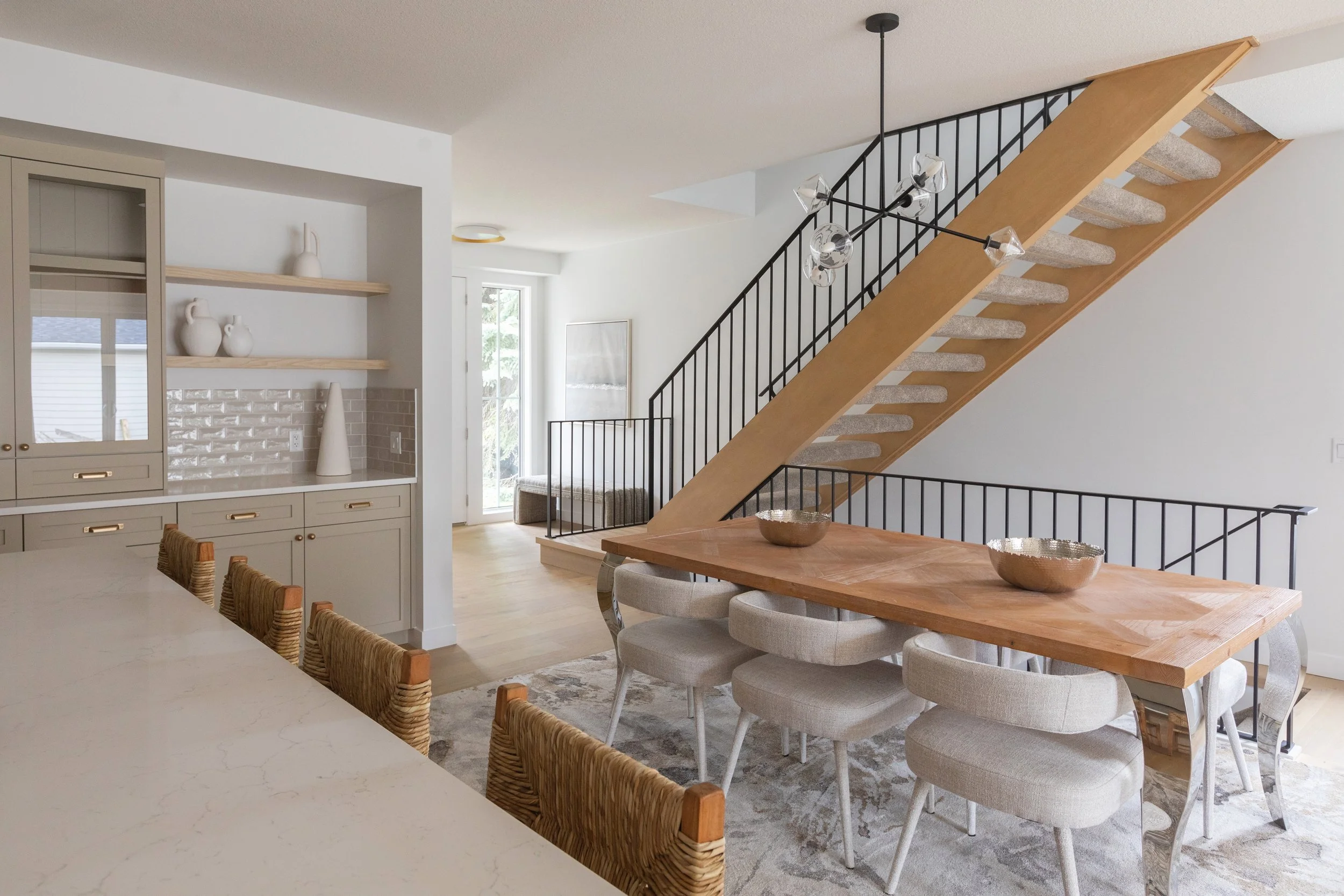
Layout determines whether a contemporary house feels fluid or fragmented. Open-concept plans dominate modern contemporary homes, but openness still requires structure. Define zones using furniture placement, ceiling treatments, or area rugs.
In a contemporary house inside, visual continuity is critical. Flooring should remain consistent across spaces whenever possible. Contemporary interior design characteristics often include fewer interior walls and stronger sightlines. Kitchens, dining areas, and living rooms flow into one another, encouraging connection.
If you are working on a small contemporary house design, consider sliding panels or glass partitions instead of solid walls. This keeps light moving through the home.
Designing the Interior of a Contemporary Home
Designing the contemporary house inside is about detail control. Walls are often neutral, but texture becomes important. Consistency is key. Use one dominant flooring material, two or three main finishes, and repeat them throughout the home.
In luxury modern contemporary homes, millwork is often flush and handle-less. Cabinetry blends into the walls. Storage remains hidden. When planning your contemporary house design, ensure that doors, trims, and baseboards align visually. Contemporary interior design characteristics favour clean transitions and sharp edges.
Small Contemporary House Design Tips
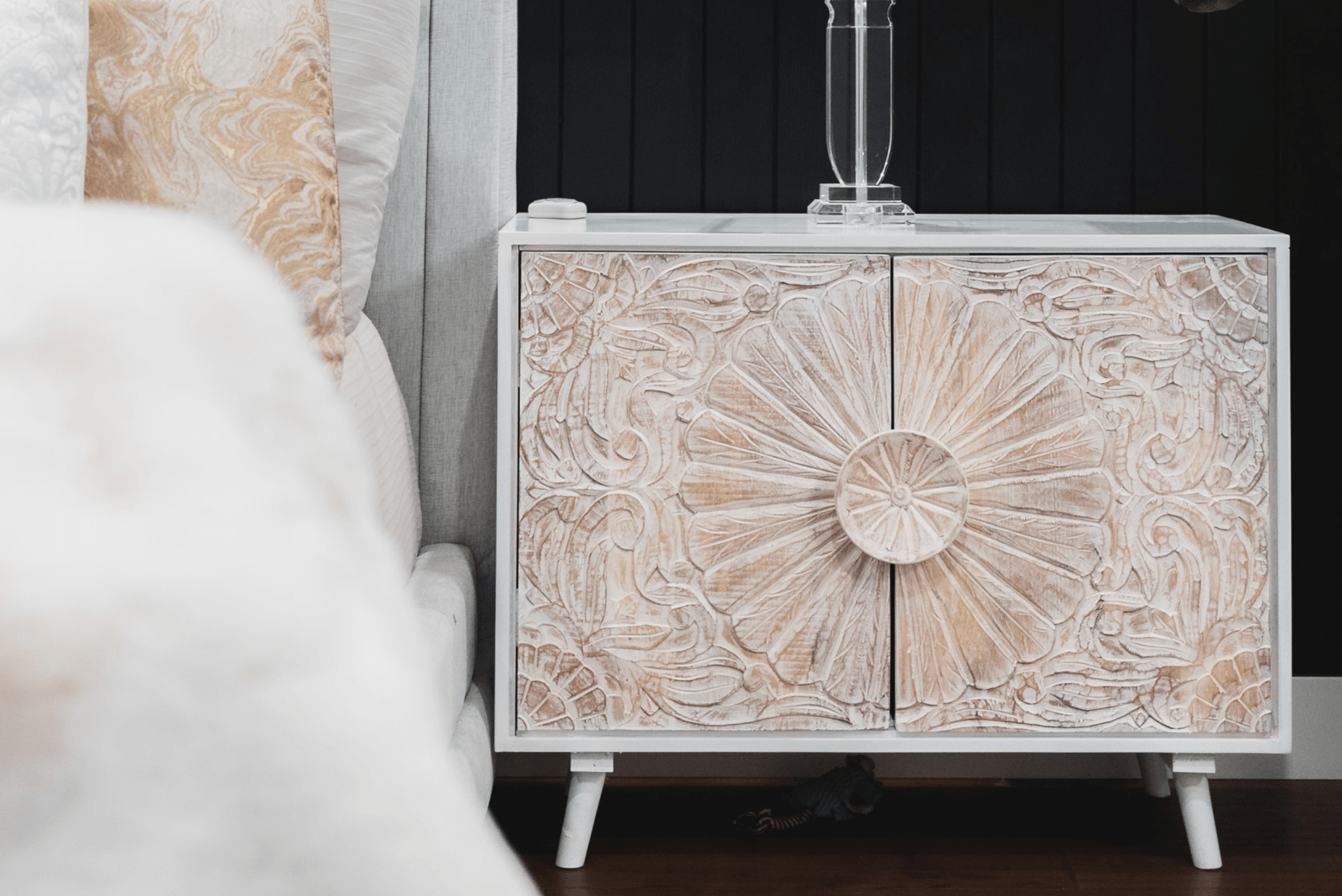
A small contemporary house design requires careful editing and smart spatial planning. Focus on multifunctional furniture, integrated storage, and open sightlines to maximize usable space. Keep the layout simple and avoid unnecessary partitions that interrupt flow.
In a compact contemporary house, vertical space becomes valuable and uses full-height cabinetry, tall doors, and strategic lighting to draw the eye upward. Maintaining consistent materials and a restrained palette helps the contemporary house inside feel larger and more cohesive, which aligns with core contemporary interior design characteristics.
Making Small Spaces Feel Opulent
Use floor-to-ceiling drapery to elongate walls. Install large mirrors to expand visual depth. Choose fewer but higher-quality pieces. In smaller modern contemporary homes, integrated storage is essential. Built-in shelving and concealed cabinetry maintain the clean look expected in a contemporary house. Keep colour palettes tight; too many shades can disrupt a compact contemporary house inside.
Adding Luxury Contemporary Home Elements
Blending luxury home decor with contemporary design is about upgrading quality, not increasing quantity. Choose premium finishes in key areas such as kitchens, bathrooms, and entryways. Incorporate custom millwork, thicker stone surfaces, or seamless indoor-outdoor transitions to elevate the overall contemporary house design.
Even in smaller modern contemporary homes, thoughtful detailing like concealed storage, flush cabinetry, and curated lighting can reflect strong contemporary interior architecture. The goal is refinement through craftsmanship and proportion rather than excess.
Adding High-End Details Without Clutter
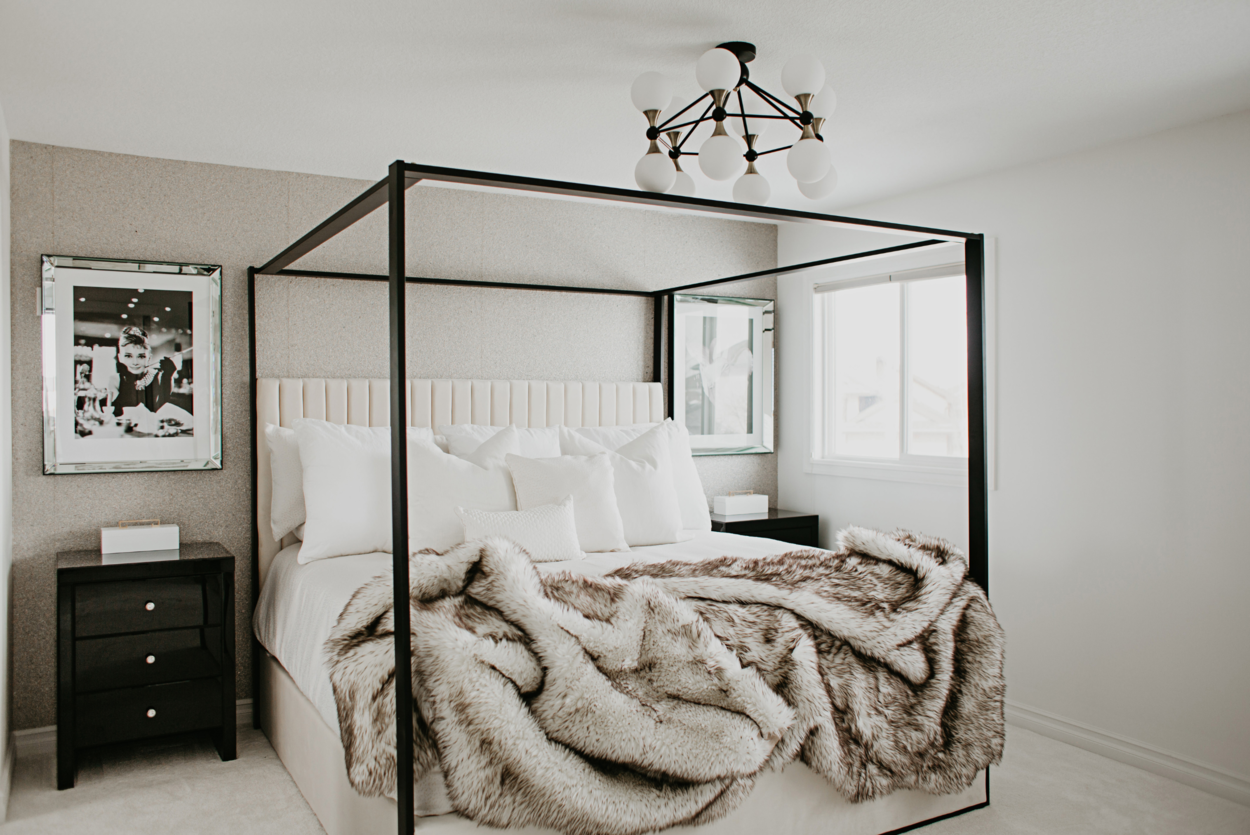
Upgrade hardware finishes. Choose thicker stone slabs. Opt for custom millwork. Luxury modern contemporary homes often include:
Oversized kitchen islands
Seamless indoor-outdoor transitions
Spa-inspired bathrooms
Custom lighting plans
The key is restraint. Too many statement pieces compete visually. A refined contemporary house design focuses attention intentionally.
Contemporary Interior Architecture Principles
Contemporary interior architecture shapes the bones of the home. It influences ceiling lines, staircases, built-ins, and transitions. In modern contemporary homes, staircases often appear sculptural, using glass balustrades or open risers. Ceilings may include recessed lighting, coves or subtle drops to define areas.
Contemporary architecture also considers proportion. Tall doors, expansive windows, and aligned millwork create a sense of scale. When designing a Contemporary house, think beyond décor. Architecture and interior planning must work together.
Colour Palettes for Modern Contemporary Homes
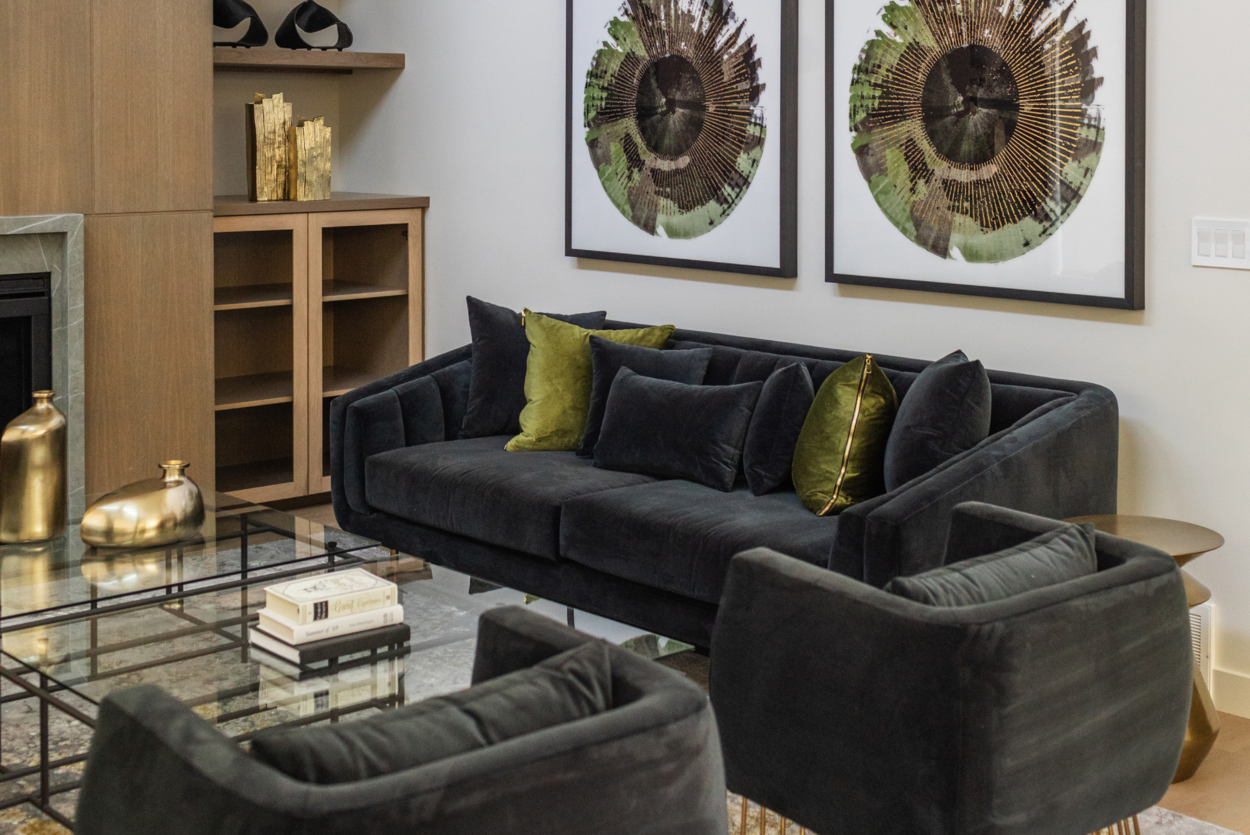
Colour in modern contemporary homes tends to be neutral but layered. Popular base tones include:
Warm whites
Soft greys
Taupe
Charcoal
Accent colours appear through art, textiles, or statement furniture. In a contemporary house, contrast adds depth. Pair light walls with dark cabinetry or matte black accents.
Contemporary interior design characteristics support tonal variation rather than bold pattern layering. For a small contemporary house design, lighter tones help reflect light and expand perceived space.
Creating Your Dream Contemporary Home
A successful contemporary house design blends architecture, materials, layout, and editing. It answers both aesthetic and practical needs. To recap:
Understand what contemporary interior design is before selecting finishes
Focus on contemporary interior design characteristics like simplicity and flow
Plan layouts carefully, especially in a small contemporary house design
Invest in quality materials for a refined contemporary house inside
Let contemporary interior architecture guide structural decisions
Whether you are designing large modern contemporary homes or updating a compact space, the core principles remain consistent: keep the palette controlled, prioritize craftsmanship, and void unnecessary décor.
If you feel unsure about balancing proportion, materials, and layout, consulting our Edmonton interior designers can provide clarity and help refine your vision without overcomplicating the process.