
Wall Trim Ideas for Any Room
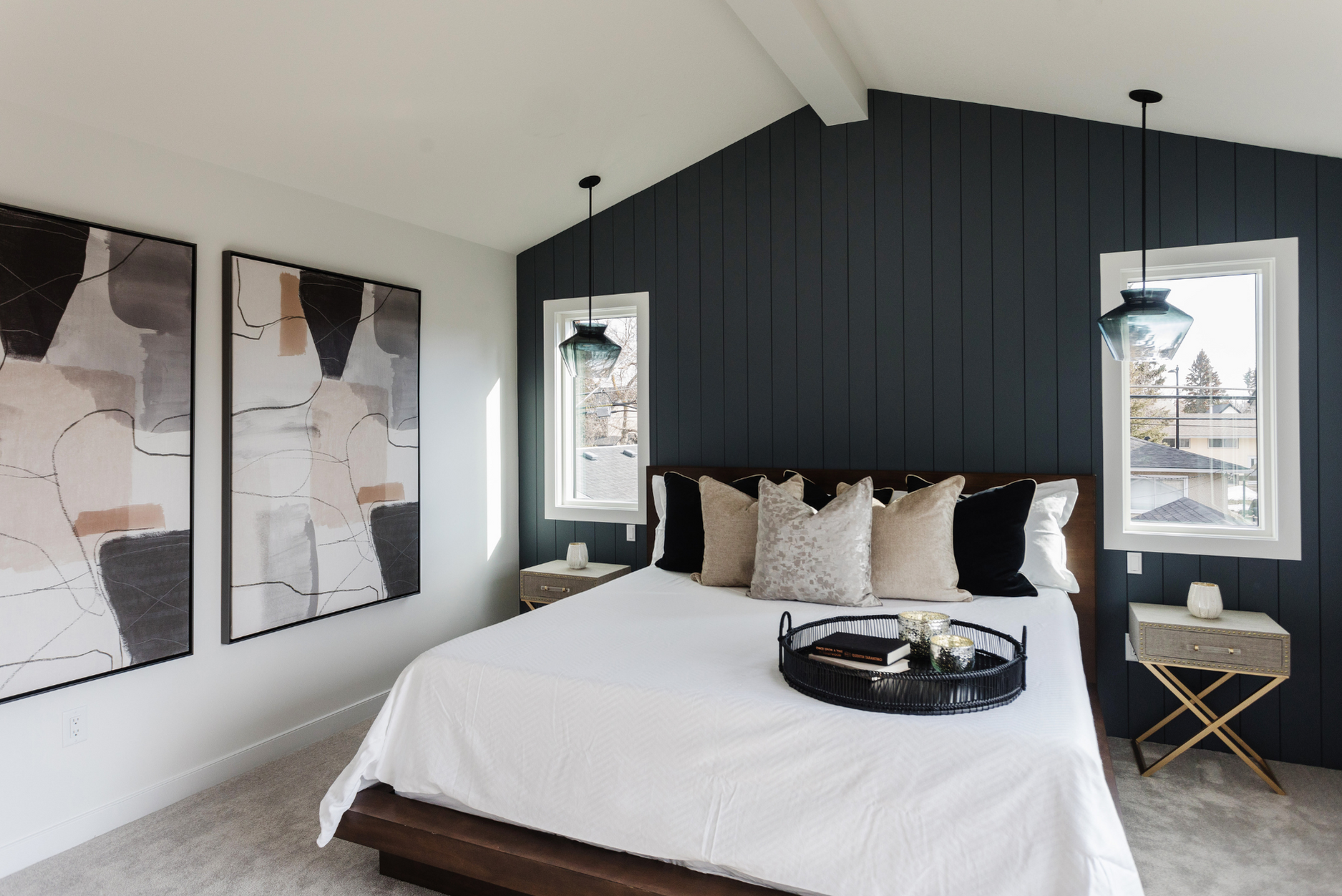
At Tailored Interior, we really believe that a room without millwork is like a gallery without frames. As an interior designer, I have seen firsthand how the right architectural details can transform a standard "builder-grade" house into a custom luxury home. Much more than just a decorative element, wall trim adds elegance, protects your surfaces, and serves as the visual glue that unites different styles into a single, cohesive space.
Whether you are looking to add "old-world" charm or a sleek, modern edge, this guide will walk you through the most practical and interesting walls and trim strategies that work for any room.
Beyond the Paint: Wall Trim Ideas as Architectural Strategy
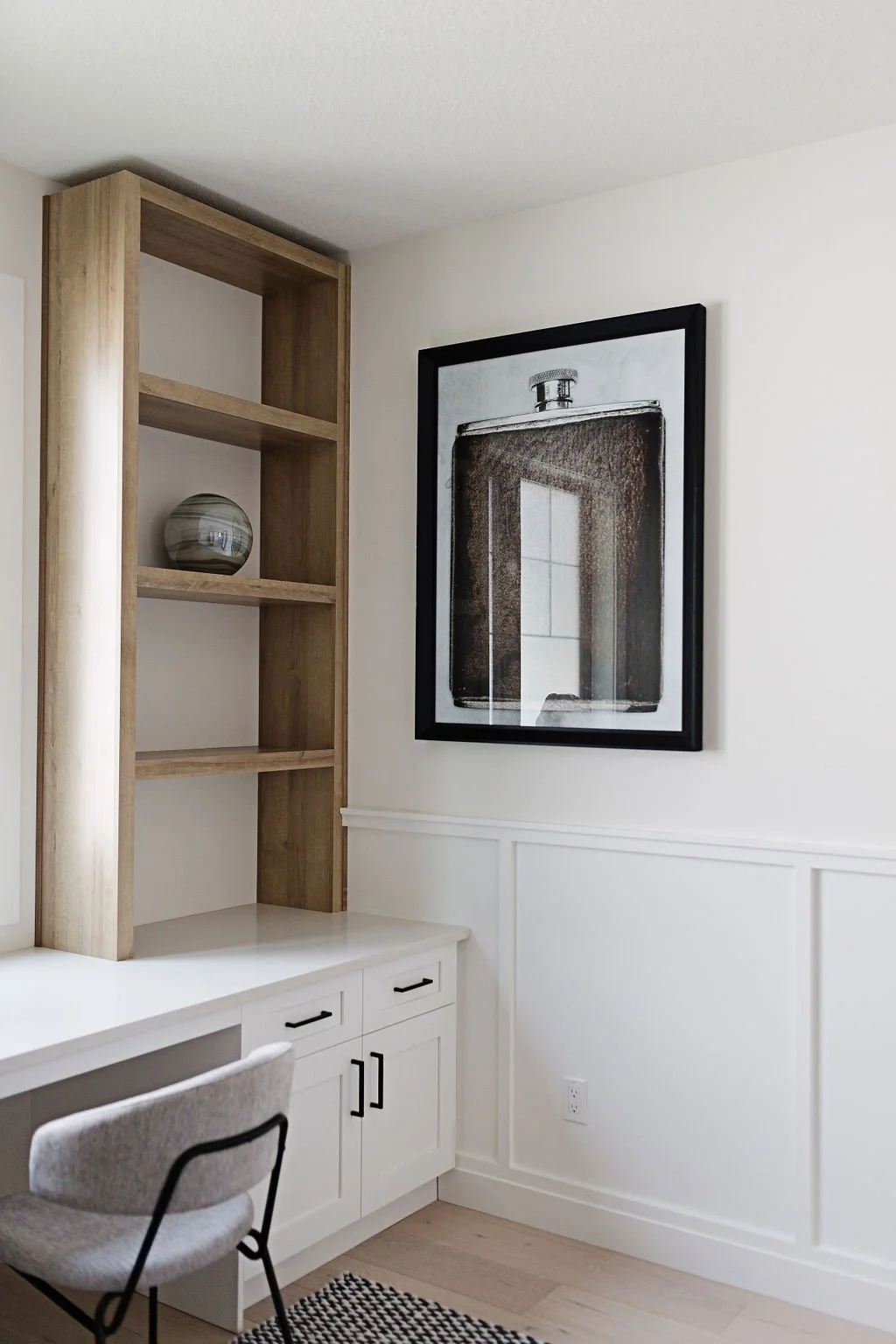
Many homeowners believe paint is the only way to add character, but wall moulding and trimming ideas are quickly taking over the spot once held by the painted accent wall. At Tailored Interior, we use trim as an architectural strategy to add weight and intention to a room.
Millwork creates shadow lines and texture that paint alone simply cannot achieve. It elevates the space by providing a sense of permanence and craftsmanship. Beyond the beauty, there is a functional necessity: walls and trim work together to protect high-traffic areas from scuffs and moisture. It is all about creating a "Tailored" look that feels like an integrated part of the home’s actual structure.
Correcting "Architectural Sins" with Strategic Moulding
One of the most powerful uses of moulds for walls is the ability to hide imperfections. In many older Edmonton homes, or even new builds that have settled over time, walls and ceilings are rarely perfectly straight.
Strategic wall moulding can "cheat" the eye. For example, a multi-piece crown moulding can bridge the gap between a sagging ceiling and a straight wall, creating the illusion of a level room. We have used this in several renovations to hide uneven joints and unsightly wiring, effectively solving structural "sins" with beautiful design.
The Core Elements: Baseboards and Scale
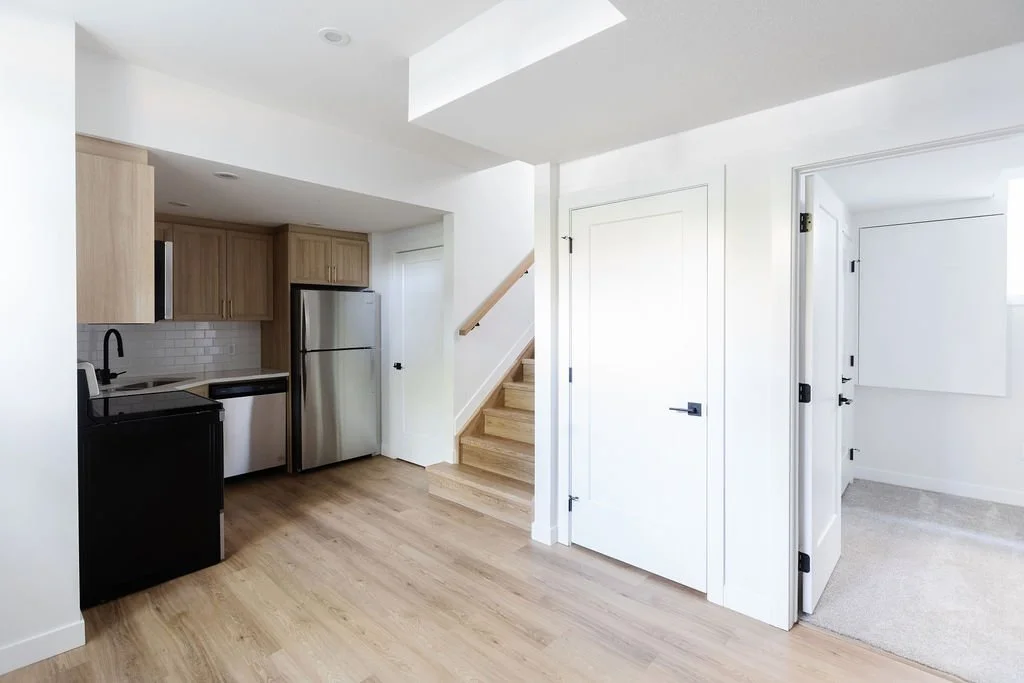
Baseboards are the most common type of trim, yet they are often the most overlooked. They serve as the defining line at the bottom of your walls, hiding the gap where the floor meets the drywall.
In our experience, the biggest mistake is choosing a baseboard that is too short for the ceiling height. For a modern, grounded look in 2026, we are seeing a shift toward oversized baseboards (5 to 7 inches tall) with clean, eased edges. This adds architectural weight and makes even a standard 8-foot ceiling feel much more substantial.
Crown Moulding: Closing the Gap and Lifting the Eye
Installed at the intersection of walls and ceilings, crown moulding is the ultimate tool for adding a classic, showy appearance. It draws the eye upward, making rooms feel taller and more formal.
It is also an essential tool for custom cabinetry. By using a crown to close the gap between upper cabinets and the ceiling, you create a seamless, built-in look that says "custom kitchen." Whether you choose a traditional profile or a sleek, square-edged modern design, it is a finishing touch that defines a professional renovation.
Decorative Wall Treatments: Wainscoting and Picture Frames
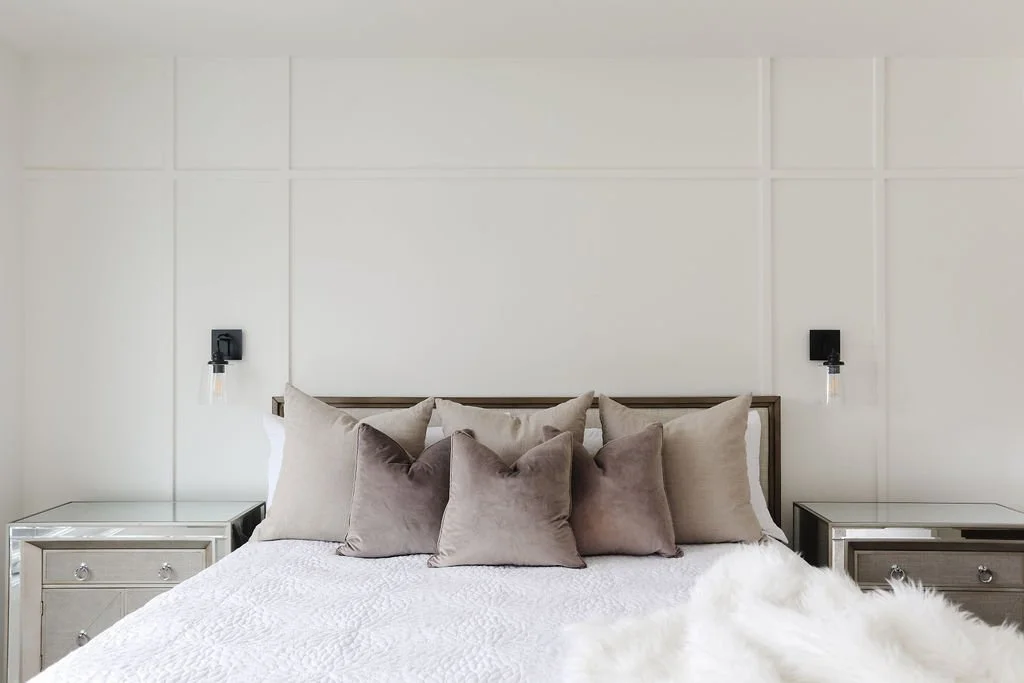
If you are looking for decorative trim moulding, wainscoting and picture frame moulding are the gold standards.
Wainscoting: This covers the lower portion of the wall, providing incredible durability in high-traffic entryways or dining rooms.
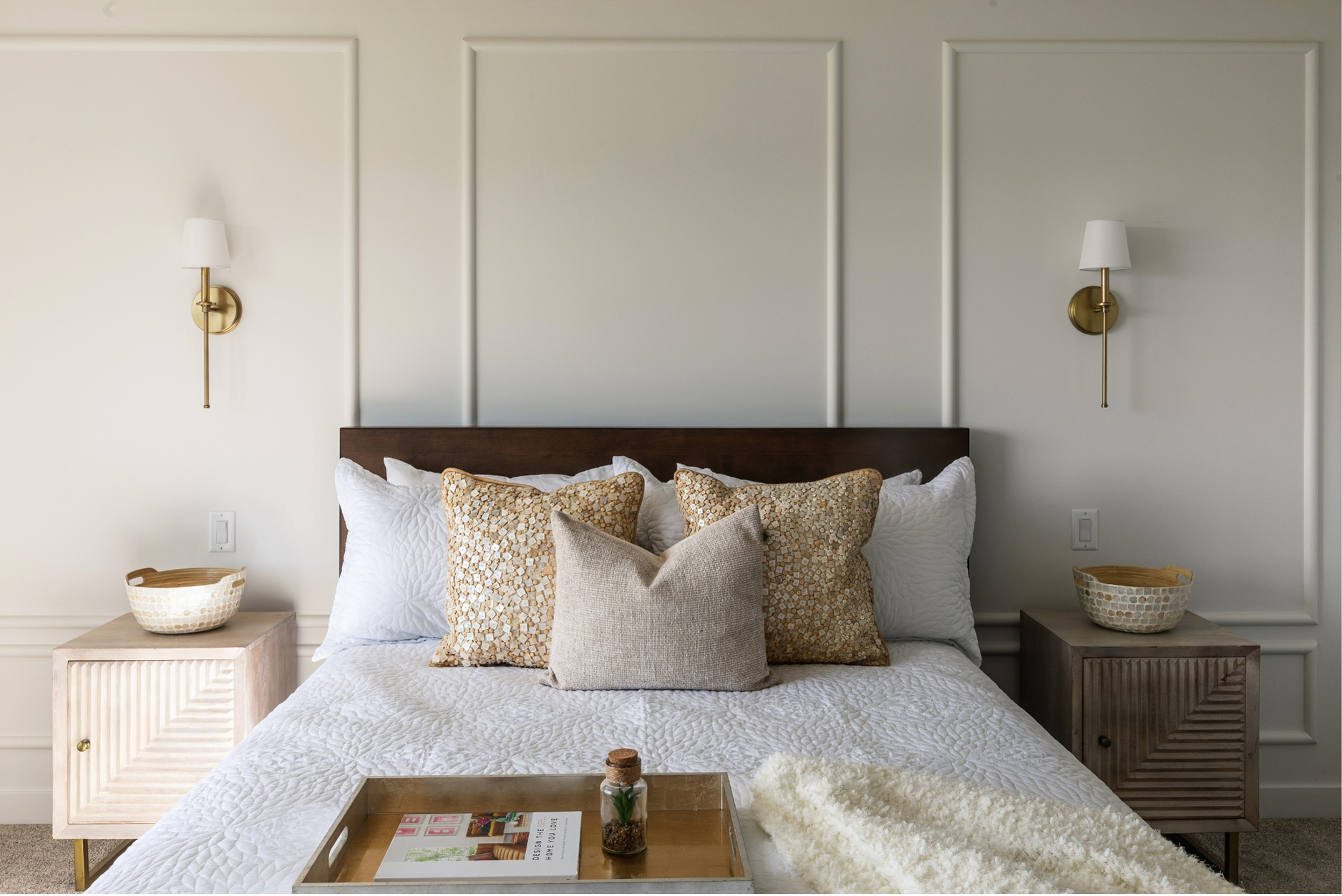
Picture Frame Moulding: These are purely decorative moulding wall design elements that break up large, empty walls.
These wall mouldings are a "designer favourite" because they add character and charm without the need for excess decor or shelving. A simple set of three boxes on a wall can transform a boring hallway into a gallery-worthy space.
The Shiplap Era vs. Modern Board and Batten
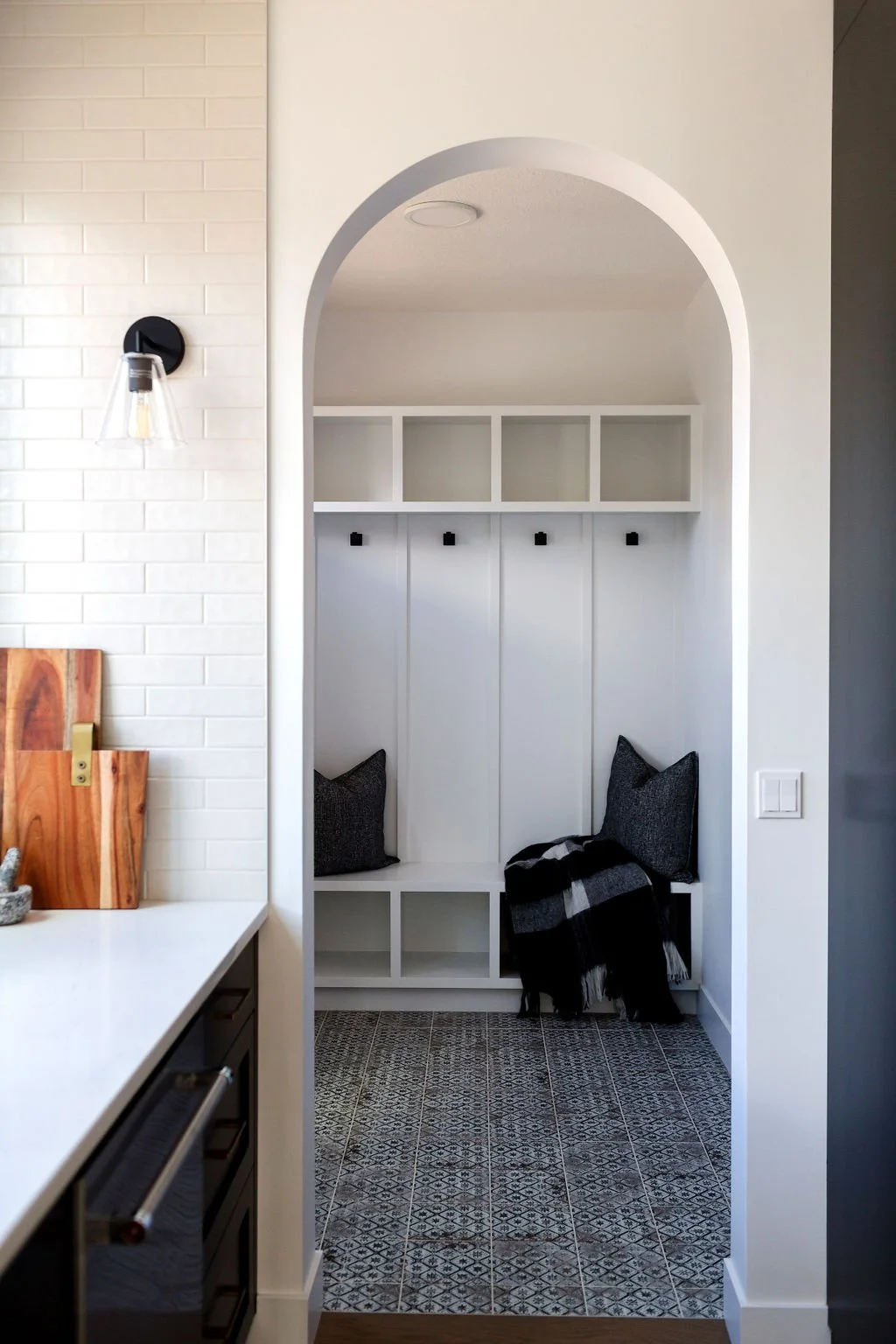
While shiplap had a massive "modern farmhouse" moment, we are seeing a shift toward moulding ideas for walls that offer more geometric variety. Board and batten, which is the use of alternating narrow wood strips and wider panels, creates a more layered, sophisticated look.
If you love the wood accent wall ideas of the past, consider a fluted panel or vertical lath design instead of traditional horizontal shiplap. These accent wall ideas wood treatments feel more architectural and less like a passing trend, ensuring your home stays stylish for years to come.
Why Professional Installation Outperforms DIY Millwork
The difference between a high-end renovation and a hobbyist project often comes down to the installation of the wall and trim. Professional installers use high-end laser levels and specialized adhesives to ensure that every corner is perfectly mitered and every line is level.
When we manage a project at Tailored Interior, we focus on those tiny details like back-caulking and seamless wood filling. This prevents the trim from pulling away from the wall over time as the home settles. A professional touch ensures that your investment looks just as good ten years from now as it does on the day it is installed.
Material Selection for the Alberta Climate
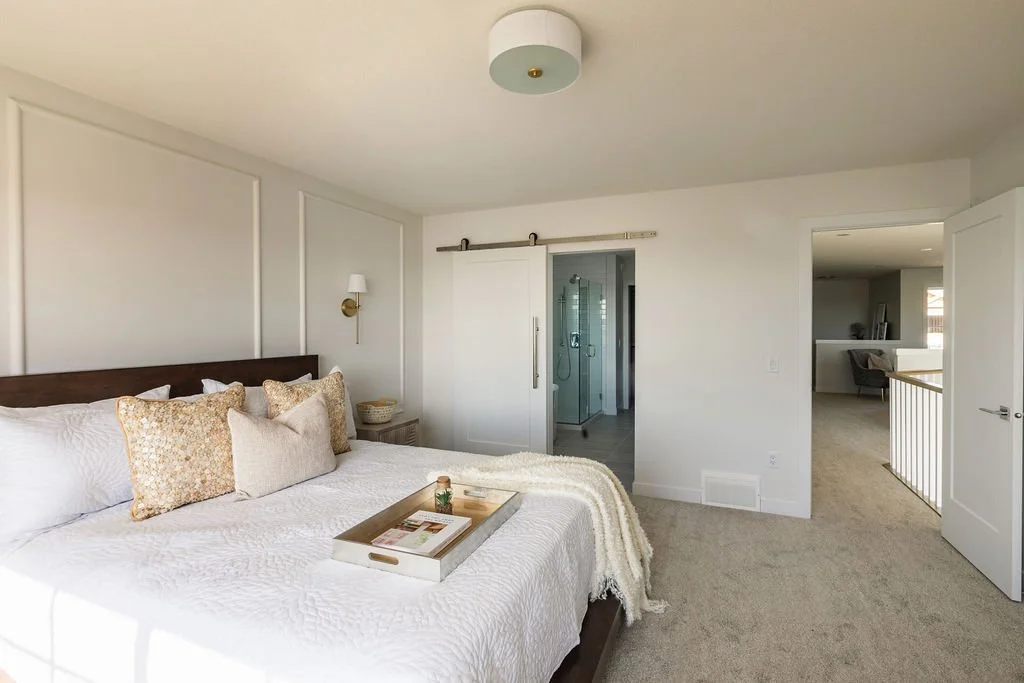
Choosing the right moulds for walls depends heavily on our local environment.
MDF (Medium-Density Fibreboard): Ideal for painted finishes. It is highly stable during Edmonton's extreme humidity swings and provides a smooth, flawless surface.
Solid Wood (Oak, Maple, Walnut): Best for a stained look or high-impact areas. While more expensive, solid wood offers a natural grain and durability that MDF cannot match.
Polyurethane: The pro choice for moisture-prone bathrooms and laundry rooms, as it will not rot or swell.
The Designer’s Secret: Should I Paint the Walls or Trim First?
At Tailored Interior, we always recommend you paint the trim first. It is much easier to tape off a smooth, finished piece of trim than it is to tape off a textured wall. By finishing the wall and trim in that order, you get those crisp, professional lines that define a high-end space.
We also love the "colour drenching" trend, which involves painting the walls and trim the same colour but in different sheens, to create a modern, immersive feel.
The ROI of Custom Millwork
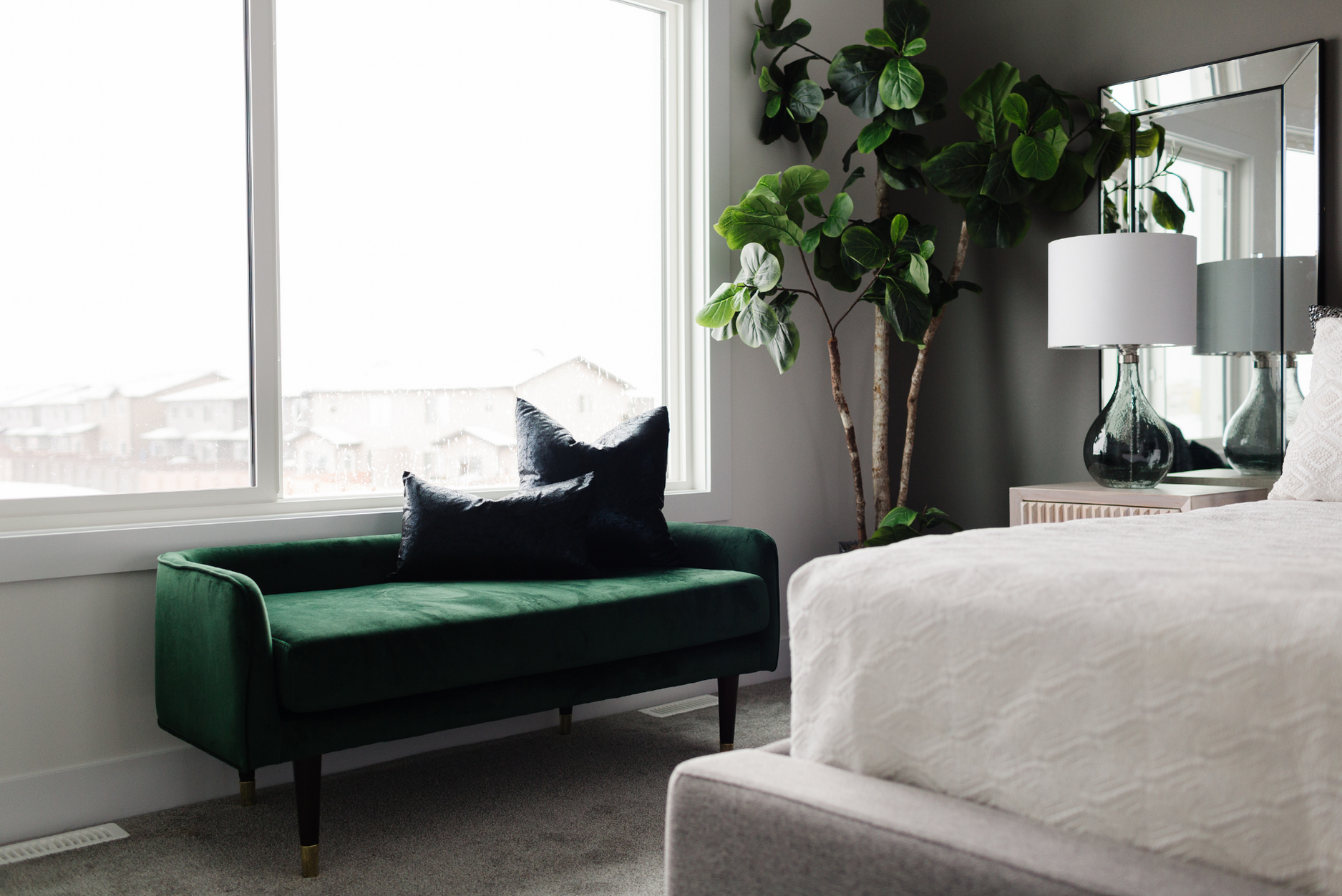
Investing in wall and trim designs is not just about aesthetics; it’s an investment in your home’s value. Quality millwork signals to future buyers that a home is well-maintained and custom-designed. From the protective baseboards to the decorative crown, these details provide a return on investment that goes beyond dollars. It is about the daily comfort and pride of living in a space that truly fits you.
As a leading Edmonton interior designer, Tailored Interior is an award-winning full-service interior design firm, here to help you navigate these choices. We manage every detail from concept to completion, ensuring your home reflects your style with professional precision.
Are you ready to elevate your space with custom wall and trim? Contact Tailored Interior today and let us start designing your dream home.
FAQs About Wall Moulding and Trim
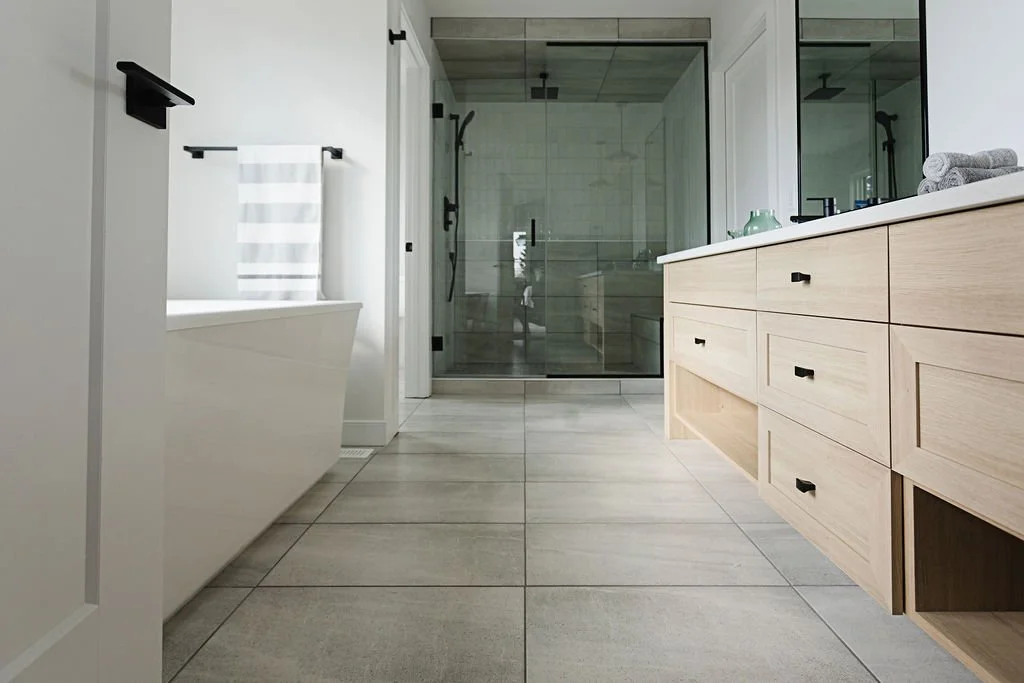
How do I choose the right height for baseboards?
A good rule of thumb is to use baseboards that are roughly 1/12th the height of your ceiling. For a standard 8-foot ceiling, 3 to 5-inch baseboards work well, while 10-foot ceilings can easily handle 7-inch profiles.
What is the best material for wall moulding in a bathroom?
In moisture-rich areas, we recommend polyurethane or PVC. These materials look like wood but will not swell or warp when exposed to steam and humidity.
FAQs About Tailored Interior
What services does Tailored Interior offer in Edmonton?
We are a full-service interior design firm offering residential and commercial design services, construction management, home staging, and turnkey furnishing.
Do you offer virtual design services?
Yes! We provide E-design and virtual solutions for clients who want a professionally designed space but prefer to manage the execution themselves.
How do I get started with a renovation project?
The best first step is to visit our website and fill out our contact form or book a discovery call to discuss your vision and budget.