
How to Use Wallpaper in Interior Design
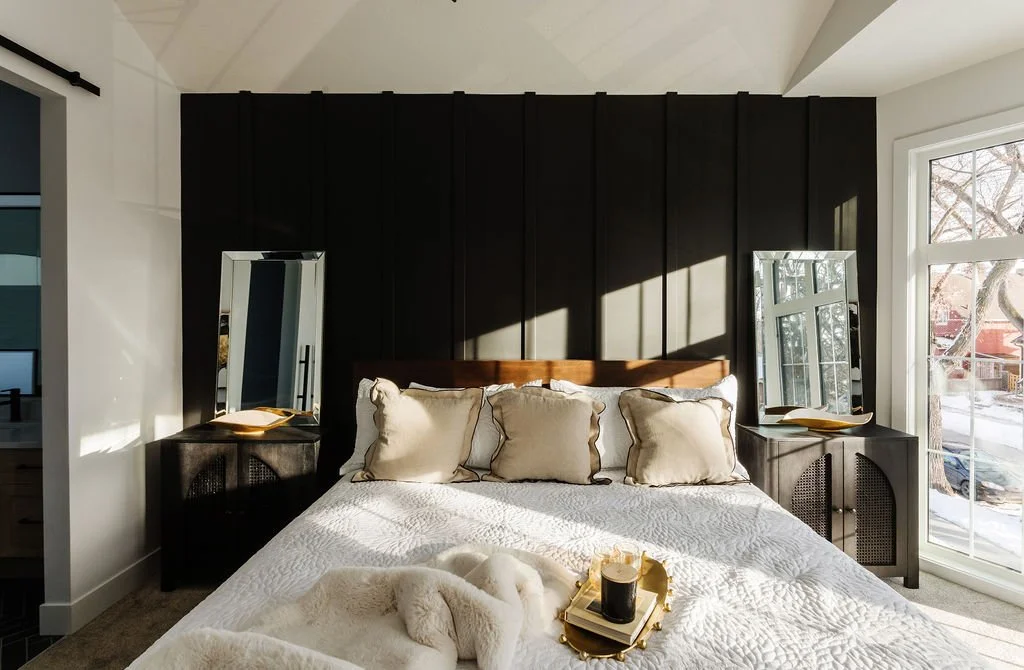
Knowing how to use wallpaper in interior design can completely change how a space feels. Wallpaper is no longer limited to traditional patterns or formal rooms. In modern homes across Canada, it is being used to add warmth, texture, personality, and intention in ways that paint alone cannot achieve. When selected and installed thoughtfully, wallpaper becomes a design feature that supports both style and function.
This guide is designed to help homeowners understand ways to incorporate wallpaper into interior design with confidence. You will find practical advice, inspiration, and clear steps rooted in how Tailored Interior designs spaces that feel both beautiful and livable. Our approach focuses on creating homes that support real routines, reflect personal style, and feel intentional from room to room.
How to Use Wallpaper in Interior Design With Purpose
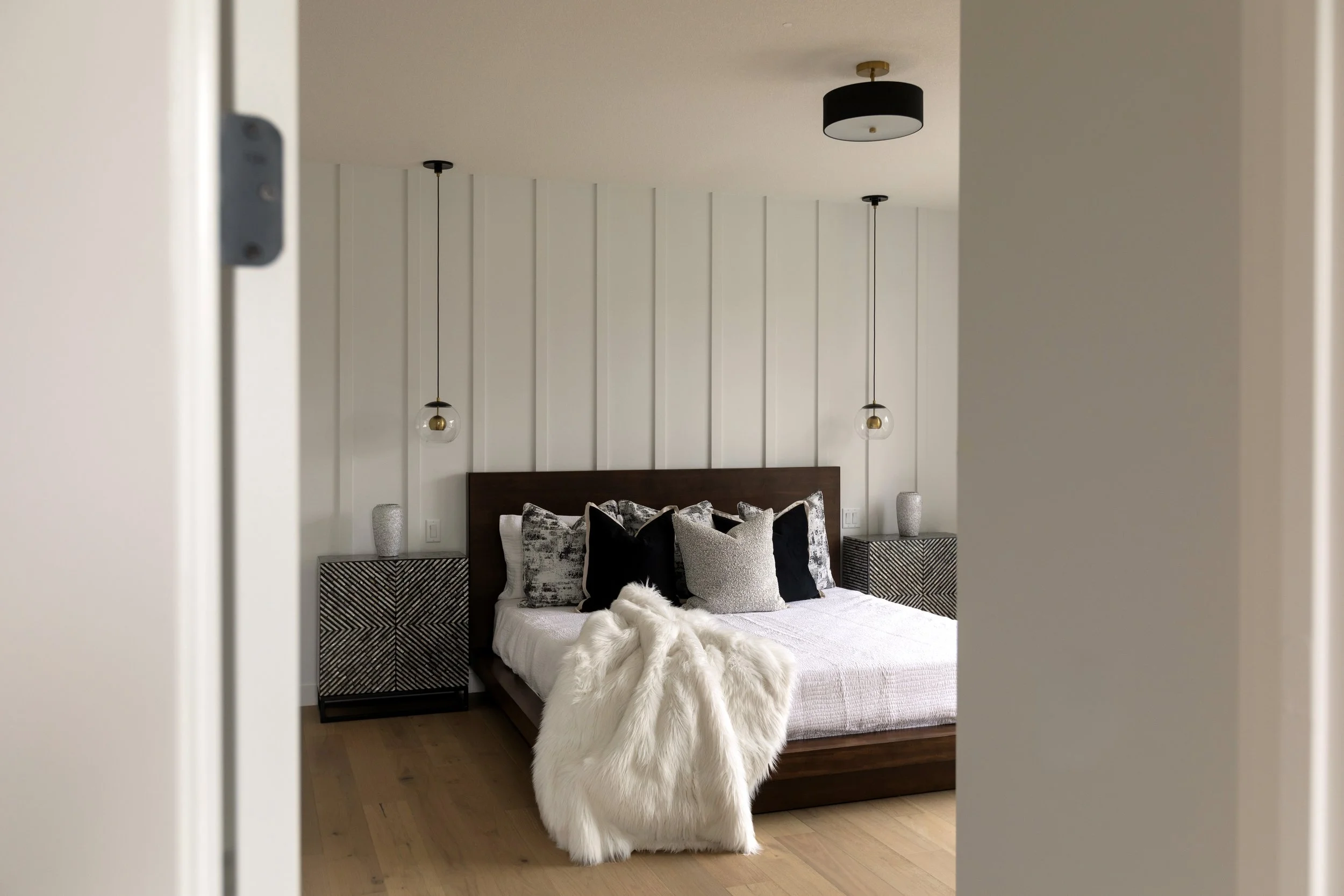
Understanding how to incorporate wallpaper into your home starts with intention. Wallpaper should enhance the purpose of the room, not compete with it. Before choosing patterns or colours, consider how the space is used and the mood you want to create.
In high traffic areas, wallpaper can add visual interest without relying on delicate decor, while quieter spaces benefit from softer textures that create a calm, cocoon-like feel. Wallpaper ideas work best when they reflect the function of the room, with subtle patterns suited to bedrooms and lounges and bolder wallpaper designs for walls making a statement in powder rooms, dining rooms, or entryways.
Wallpaper decor is especially impactful when used to highlight architectural features such as alcoves, fireplace walls, or ceilings. The most successful modern wallpaper decor ideas focus on balance, allowing one intentional choice to stand out while the rest of the space remains cohesive.
Selecting Wallpaper That Works in Modern Homes
Choosing the right wallpaper is about more than liking a pattern. Knowing how to select wallpaper for walls involves understanding scale, colour, texture, and light.
Large-scale patterns tend to work best in open rooms with good natural light. Smaller patterns or textured neutrals are often better suited to compact spaces. Wallpaper inspiration often looks dramatic online, but real homes require balance. Always consider how furniture, artwork, and flooring will interact with the wallpaper.
Wallpaper designs for walls now include vinyl, grasscloth, fabric-backed paper, and peel-and-stick options. Each has its place. Vinyl wallpapers are durable and easier to clean, making them suitable for kitchens, mudrooms, and bathrooms. Fabric and grasscloth add depth but are best used in low-moisture areas.
Lounge wallpaper ideas often focus on warmth and comfort. Soft geometrics, muted florals, and organic textures create a welcoming atmosphere without overpowering the space. For wallpaper ideas for living room spaces, consider how often the room is used and how lighting changes throughout the day.
If you are unsure, a professional perspective can help narrow choices. Working with an experienced Edmonton interior designer ensures the wallpaper selection works seamlessly with the rest of your interior design.
Creative Ways to Apply Wallpaper
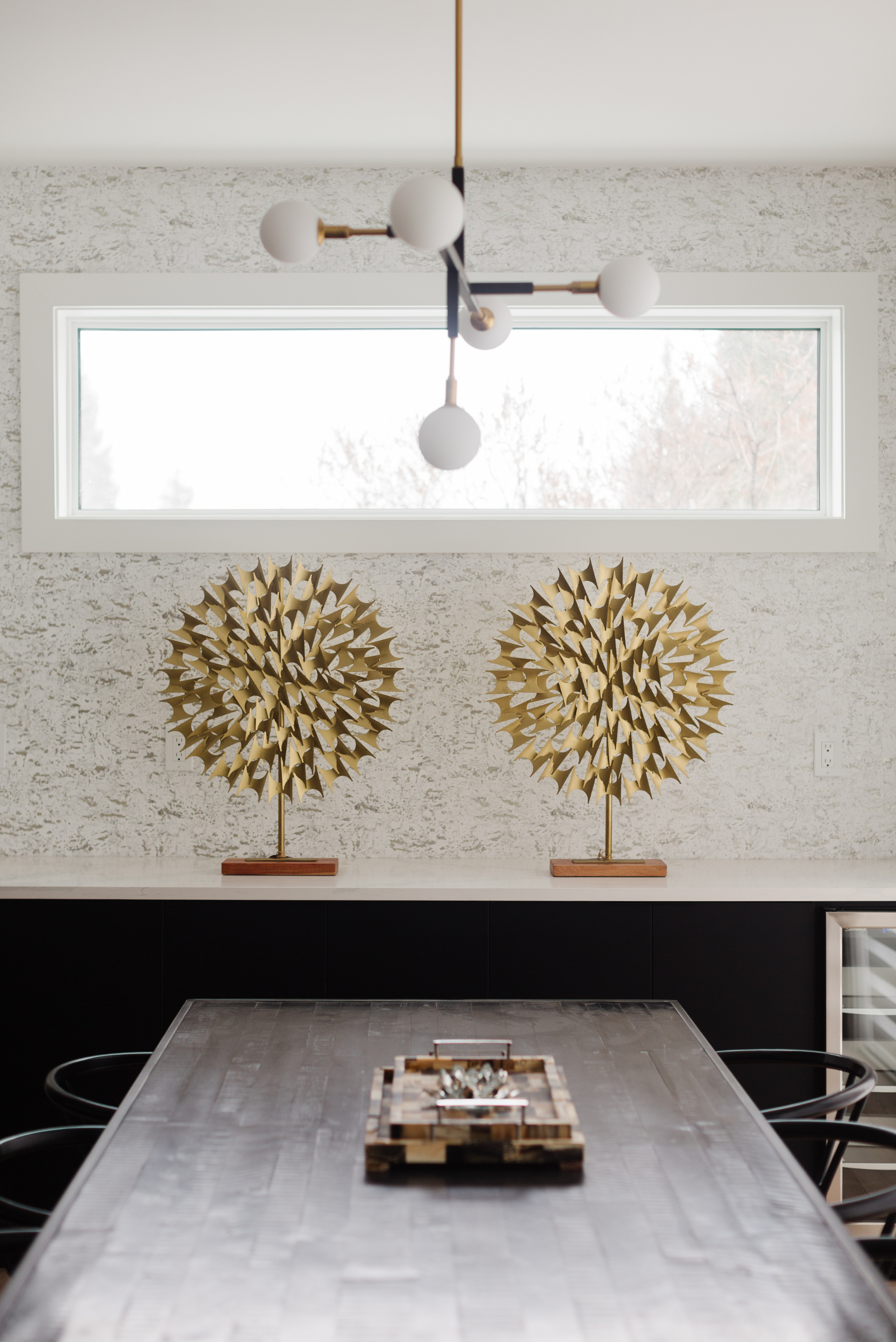
Modern design has expanded how wallpaper is used. Wallpaper decor is no longer limited to full wall coverage. Creative applications allow homeowners to enjoy wallpaper in smaller, more flexible ways.
Ceilings are becoming popular locations for wallpaper, especially in dining rooms, bedrooms, and entryways. A patterned ceiling adds character without taking up visual space at eye level. This approach works particularly well in rooms with neutral walls.
Built-in shelving and cabinetry backs are another excellent option. Wallpaper decor ideas, like lining the back of shelves or glass front cabinets, add depth and personality while remaining subtle.
For those who enjoy DIY wallpaper projects, removable wallpaper makes it easy to experiment. Wallpaper ideas, such as framing wallpaper panels or using it inside closets and pantries, allow for creativity without long-term commitment.
A common question is, can you put wallpaper on top of wallpaper? In most cases, the answer is no. For proper adhesion and a smooth finish, existing wallpaper should be removed. Skipping this step often leads to bubbling, peeling, and uneven results.
How to Install Wallpaper for Long-Lasting Results
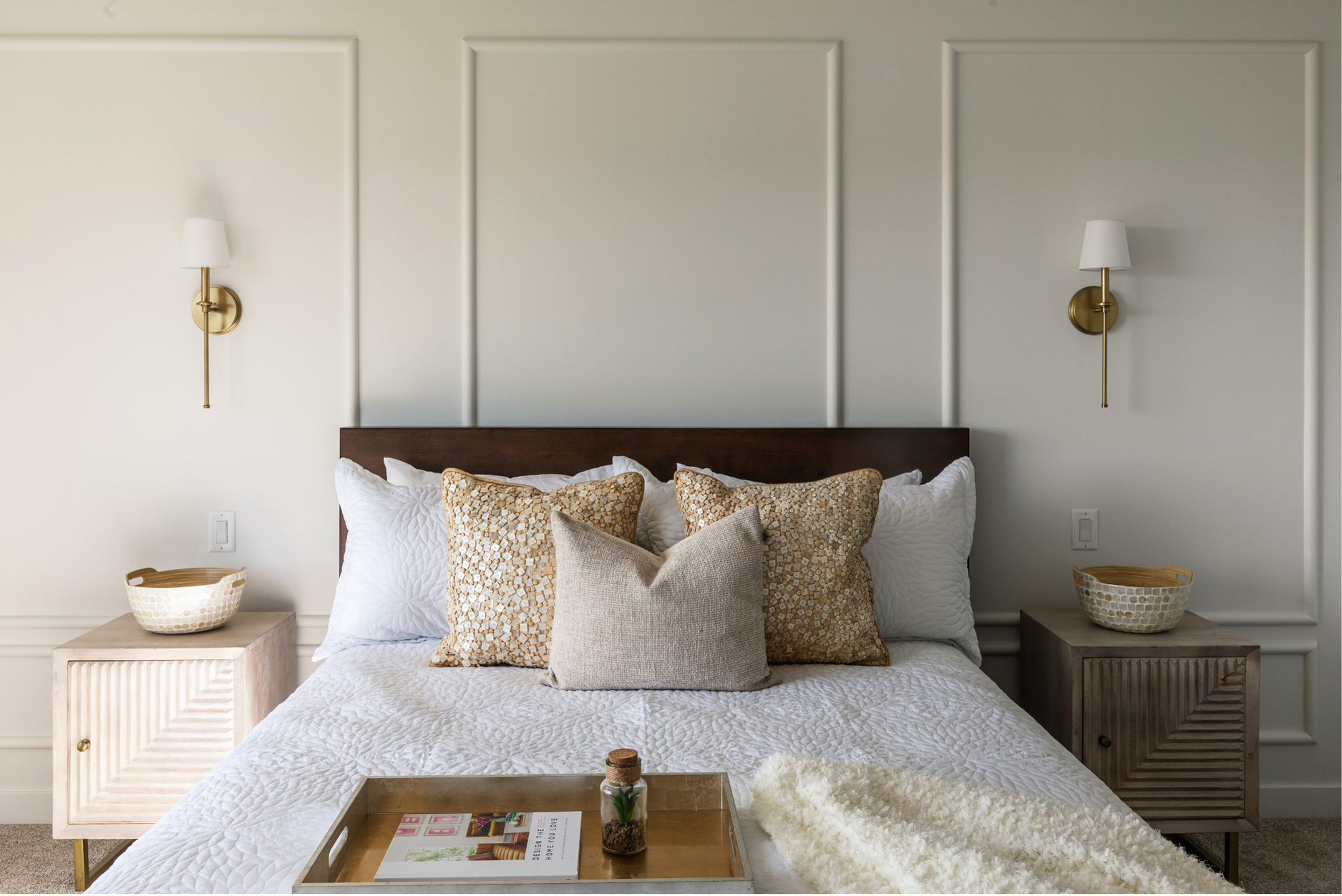
Understanding how to install wallpaper correctly is essential to achieving a polished look. Preparation matters as much as the wallpaper itself.
Walls should be clean, smooth, and properly primed. Even minor imperfections can show through once wallpaper is applied. Measuring accurately and planning pattern alignment prevents unnecessary waste and frustration.
The best way to wallpaper a room is to start with a clear layout plan. Identify a focal point and work outward, ensuring patterns align consistently. Corners, windows, and doors require patience and precision.
While DIY wallpaper projects can be successful, peel-and-stick products are generally more forgiving. Traditional wallpaper often benefits from professional installation, especially when working with textured or patterned designs.
Proper installation ensures wallpaper remains secure and beautiful for years. Rushing this step can compromise even the most beautiful wallpaper decor.
Maintaining and Styling Wallpaper in Everyday Life
Once installed, wallpaper becomes part of daily life. Maintenance depends on the type of wallpaper used. Many modern wallpapers are wipeable, making them practical for busy households.
Styling around wallpaper is about restraint. Let the wallpaper be the star and support it with complementary furnishings and finishes. Neutral furniture, layered textures, and thoughtful lighting help wallpaper feel intentional rather than overwhelming.
Wallpaper inspiration evolves, but well-chosen wallpaper remains timeless. If tastes change, smaller applications such as accent areas or removable options allow for updates without major renovation.
Wallpaper ideas work best when they are integrated into the overall design rather than treated as an afterthought. When used thoughtfully, wallpaper enhances how a home feels and functions.
Thoughtful Wallpaper Design
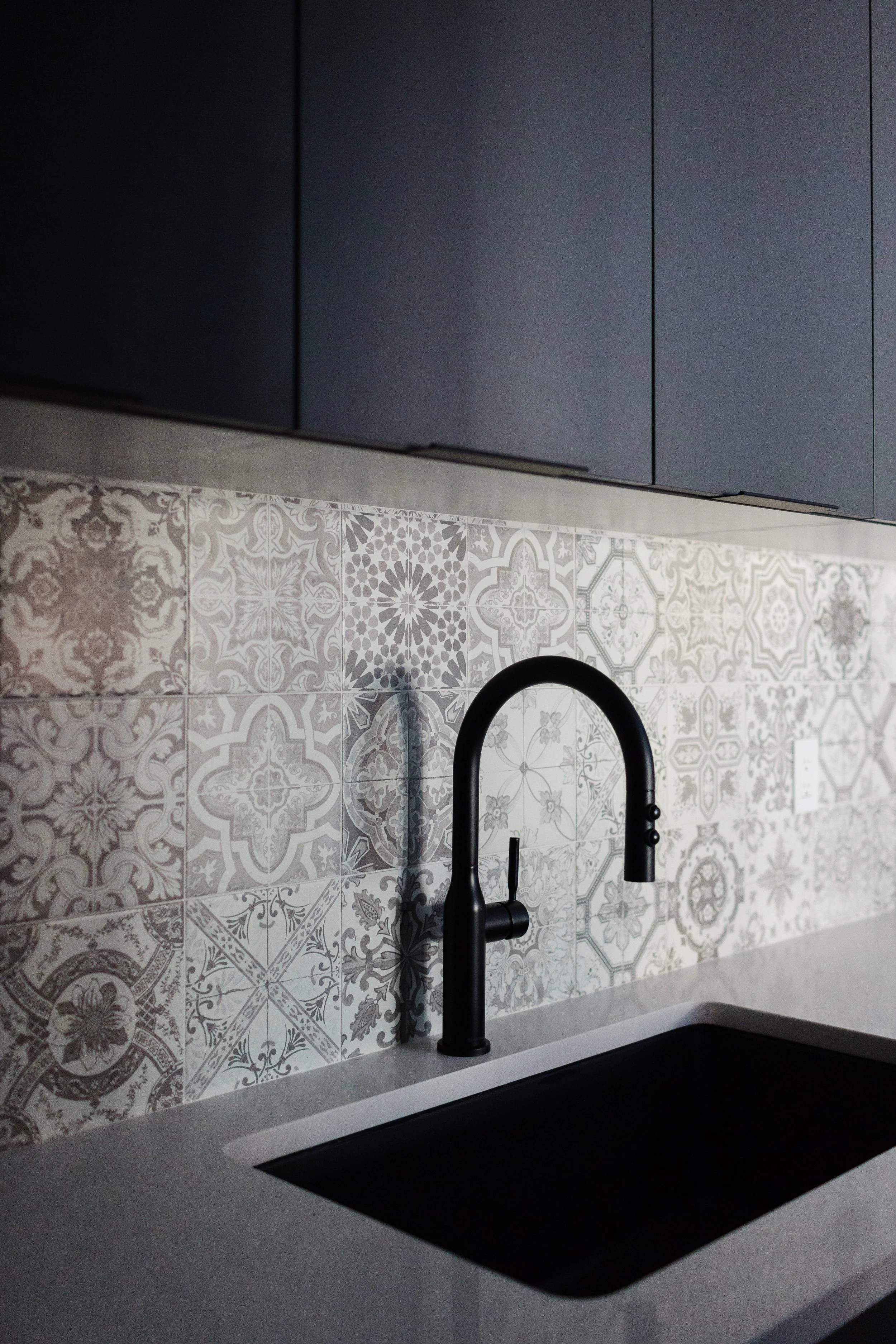
Wallpaper has become one of the most versatile tools in modern interior design, offering a way to add depth, warmth, and personality to a space. When you understand how to use wallpaper, it becomes easier to make choices that feel intentional and timeless rather than overwhelming. From selecting the right pattern and scale to knowing where wallpaper will have the greatest impact, thoughtful planning ensures the finished space feels cohesive and livable.
If you are considering wallpaper in your home but want guidance along the way, Tailored Interior can help bring clarity and confidence to the process. Our design approach focuses on balancing beauty with function, ensuring that every detail supports your day-to-day life. Whether you are refreshing a single room or renovating your entire home, we help create spaces that feel considered, comfortable, and truly tailored to you.
FAQs About Styling Your Home with Wallpaper
How Do I Choose the Right Wallpaper for a Room?
Start by considering how the room is used and how you want it to feel. Think about lighting, scale, and existing finishes before selecting patterns or colours.
Is Wallpaper Suitable for Modern Homes?
Yes. Modern wallpaper designs are versatile and work well in contemporary spaces when applied thoughtfully.
Can Wallpaper Be Used in Kitchens and Bathrooms?
Many wallpapers are designed to handle moisture. Vinyl and wipeable wallpapers are best for these areas when installed correctly.
What Is the Best Way to Wallpaper a Room for Beginners?
Start with a small space and consider peel-and-stick options. Proper wall preparation and careful measuring are key.
Can You Wallpaper on Top of Wallpaper?
It is not recommended. Removing old wallpaper ensures proper adhesion and a smooth, long-lasting finish.
How Long Does Wallpaper Typically Last?
High-quality wallpaper that is installed properly can last many years without fading or peeling.
Should I Hire a Professional or Try DIY Wallpaper?
Simple projects can be done yourself, but complex patterns, textures, or large spaces often benefit from professional installation.