
Affordable Kitchen Renovations: Luxury Design on a Budget
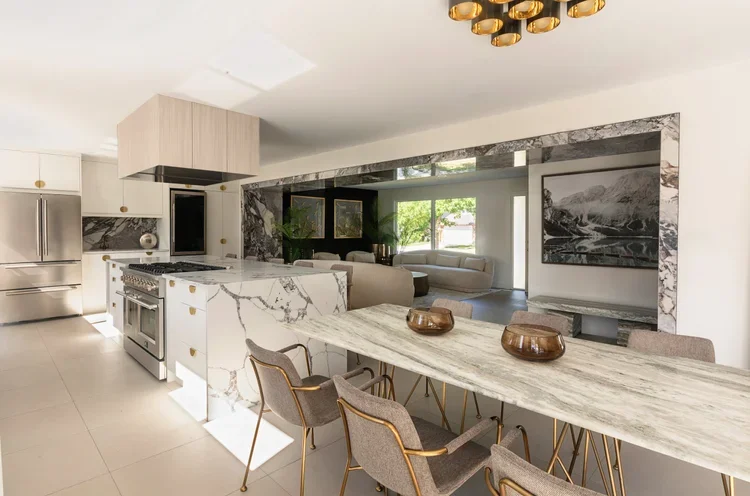
An affordable kitchen renovation is achievable with the right sequencing; cosmetic updates can deliver dramatic visual impact for $10,00-$25,000, while smart planning and strategic trade-offs keep even mid-range renovations well under $50,000. The key is knowing exactly where to invest, where to scale back, and how to sequence decisions before the first phase of work begins. Working with a full-service design firm from the outset ensures that sequencing decisions prevent the most common budget failures before they occur.
How Much Does a Kitchen Renovation Cost in Edmonton?
Kitchen renovation costs in Edmonton fall into three clear tiers. Minor renovations covering cosmetic updates — paint, hardware, lighting, and countertop replacements — typically run $10,000-$25,000. Mid-range renovations covering new cabinetry, countertops, appliances, and updated fixtures land between $25,000-$50,000. Major overhauls involving full gut renovations, layout changes, and premium finishes start at $50,000 and can climb well past $100,000.
Edmonton homeowners typically invest between $15,000 and $80,000 for complete kitchen transformations, with the average mid-range kitchen renovation landing around $45,000 depending on scope and materials. Labour rates in Edmonton have increased slightly in recent years due to trades demand, and labour alone typically accounts for 40-50% of total project cost; a figure that underscores why understanding where costs originate is essential before work begins.
Setting your tier before meeting with contractors prevents scope creep and budget shock downstream.
What Drives Kitchen Renovation Costs Up and Down
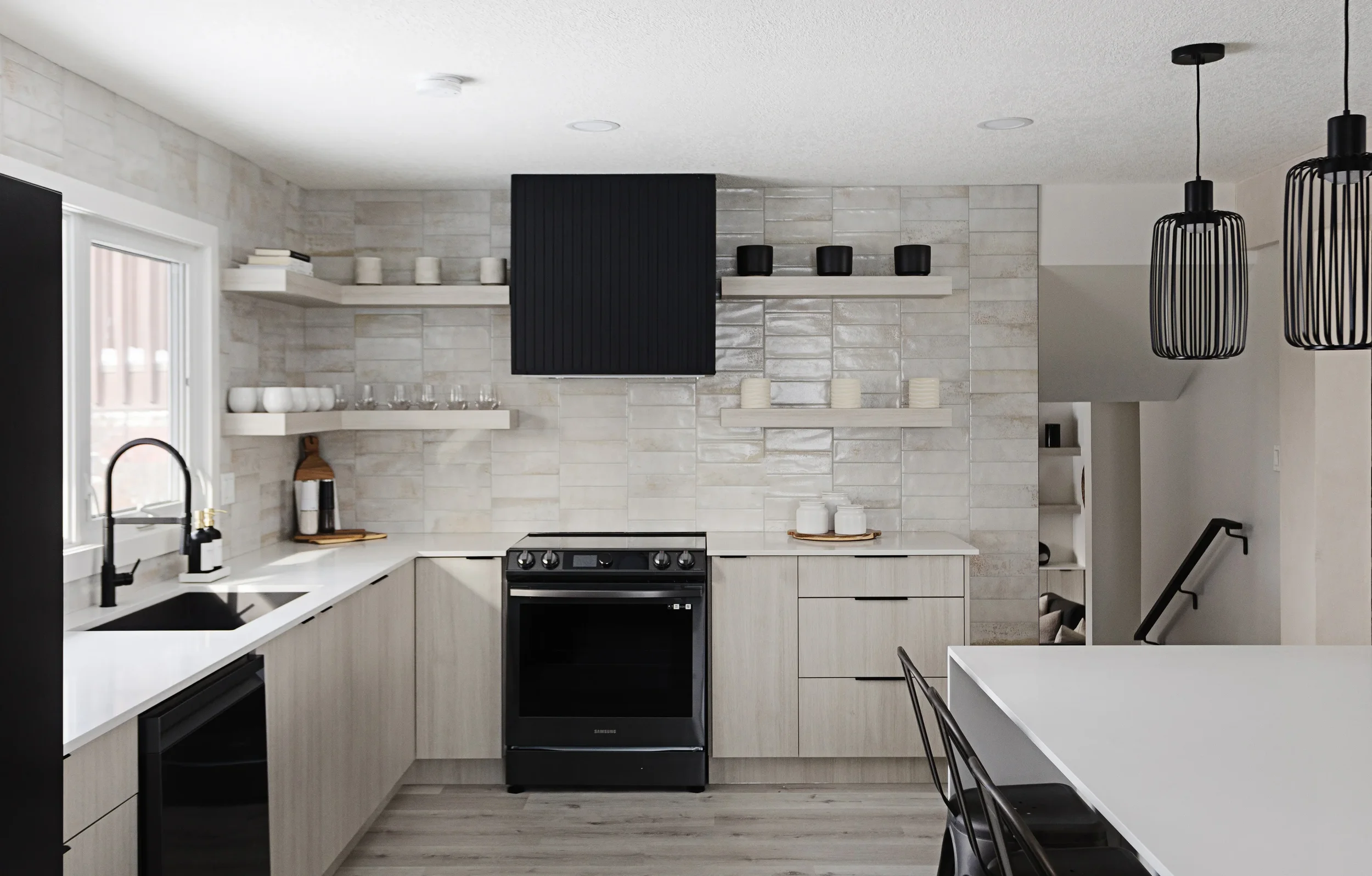
The single largest cost driver in any kitchen renovation is cabinetry, which typically accounts for 25-45% of the total budget. Countertops, labour, appliances, and plumbing or electrical work make up the remainder. Understanding what moves each of these numbers gives homeowners real control over the final figure.
Retaining the existing kitchen layout is one of the most effective cost-control decisions available. Moving a sink, relocating the refrigerator alcove, or repositioning the range triggers permit requirements and requires licensed trade labour. In Edmonton, trades professionals charge between $75 and $120 per hour. In a mid-range renovation, labour as a category typically represents $15,000-$30,000 of the total budget. Keep the footprint, and that number stays manageable.
Material choices affect the budget almost as significantly as layout decisions. Laminate countertops instead of quartz, stock cabinets instead of custom millwork, and porcelain tile instead of natural stone each represent thousands of dollars in savings without compromising the finished look.
Cabinet Replacement vs. Refacing vs. Repainting
Full cabinet replacement runs $8,000-$25,000 or more depending on material and configuration. Refacing, such as replacing doors, drawer fronts, and applying veneer to the existing box structure, costs $3,000-$9,000 and is a genuinely smart option when the cabinet boxes are structurally sound. Repainting with new hardware runs $500-$2,500 as a DIY project or $1,500-$4,000 professionally executed.
Where cutting cabinet costs becomes a false economy is hardware quality. Invest in Blum or Hafele-grade hinges and drawer slides. Saving on door style is reasonable; saving on the hardware that determines how those doors function for the next decade is not.
Countertop Materials: High-End Look, Real-World Price
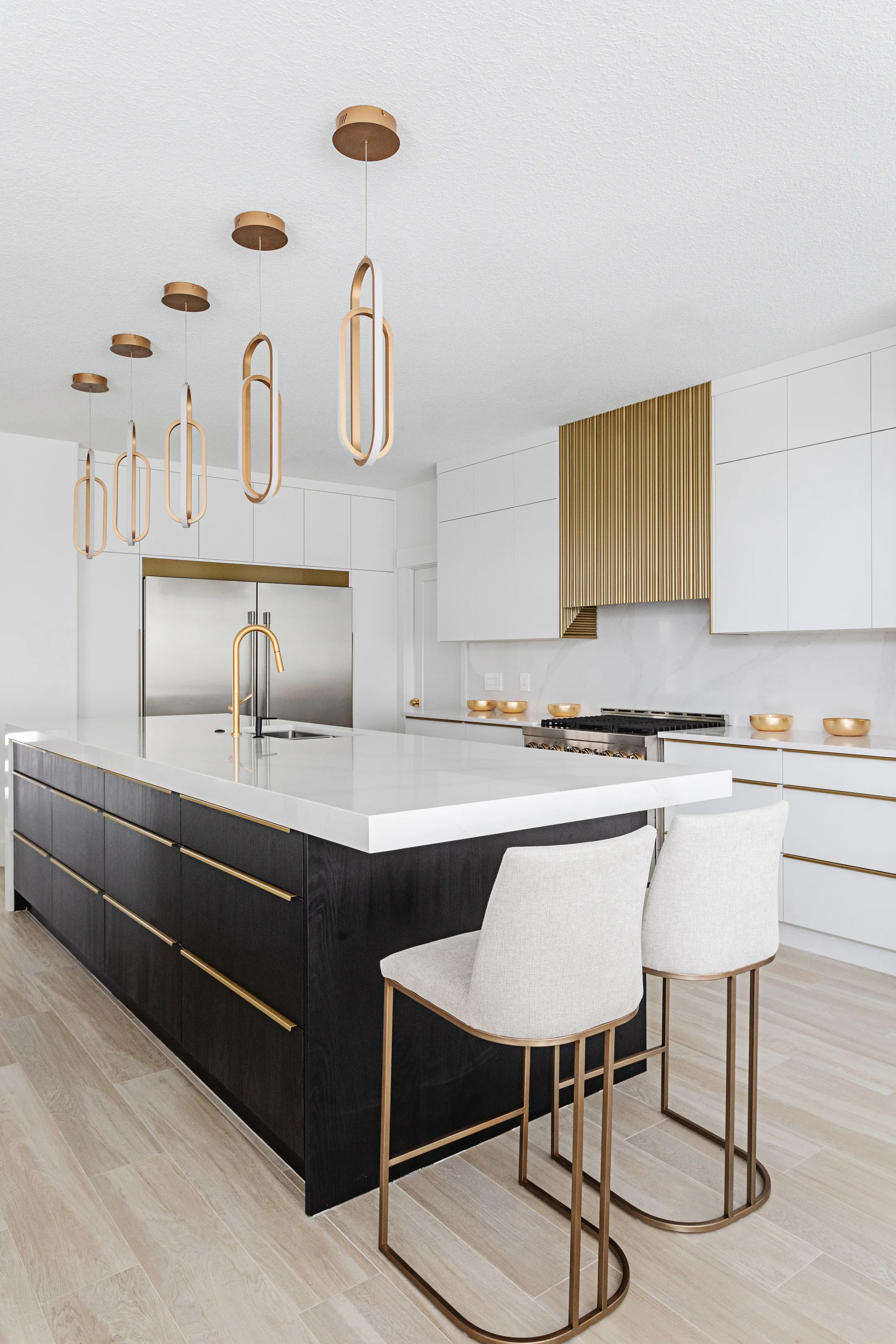
In Edmonton, quartz and granite install at $80-$150/sq ft. Laminate, which has advanced considerably and now credibly replicates stone, comes in at $30-$60/sq ft installed. Butcher block runs $60-$100/sq ft, adds warmth, and is genuinely DIY-friendly for experienced renovators. Porcelain tile lands at $25-$50/sq ft.
Laminate and butcher block require different maintenance than stone, but neither is inferior. They are simply different materials with their own performance profiles.
DIY vs. Hiring a Pro: Where to Save and Where to Spend
Certain tasks are genuinely suited to DIY: painting cabinets, replacing hardware, installing peel-and-stick or standard backsplash tile with proper prep, swapping light fixtures where no new wiring is required, and assembling flat-pack cabinetry. These tasks are manageable, low-risk, and can save $2,000-$5,000 in labour.
For everything beyond cosmetic updates — plumbing, electrical, gas, and structural work — professional kitchen services ensure the work is done correctly, to code, and without the liability that DIY creates in these categories. A tile job done incorrectly can cost more to demo and redo than the original professional installation would have.
If appliances are functional, retaining them through a cosmetic renovation saves $3,000-$10,000 easily. When comparing contractor bids, get at least three, evaluate the scope line by line, and watch for quotes that exclude permit fees or debris disposal, both of which add up quickly.
Hidden Costs and How to Budget for the Unexpected
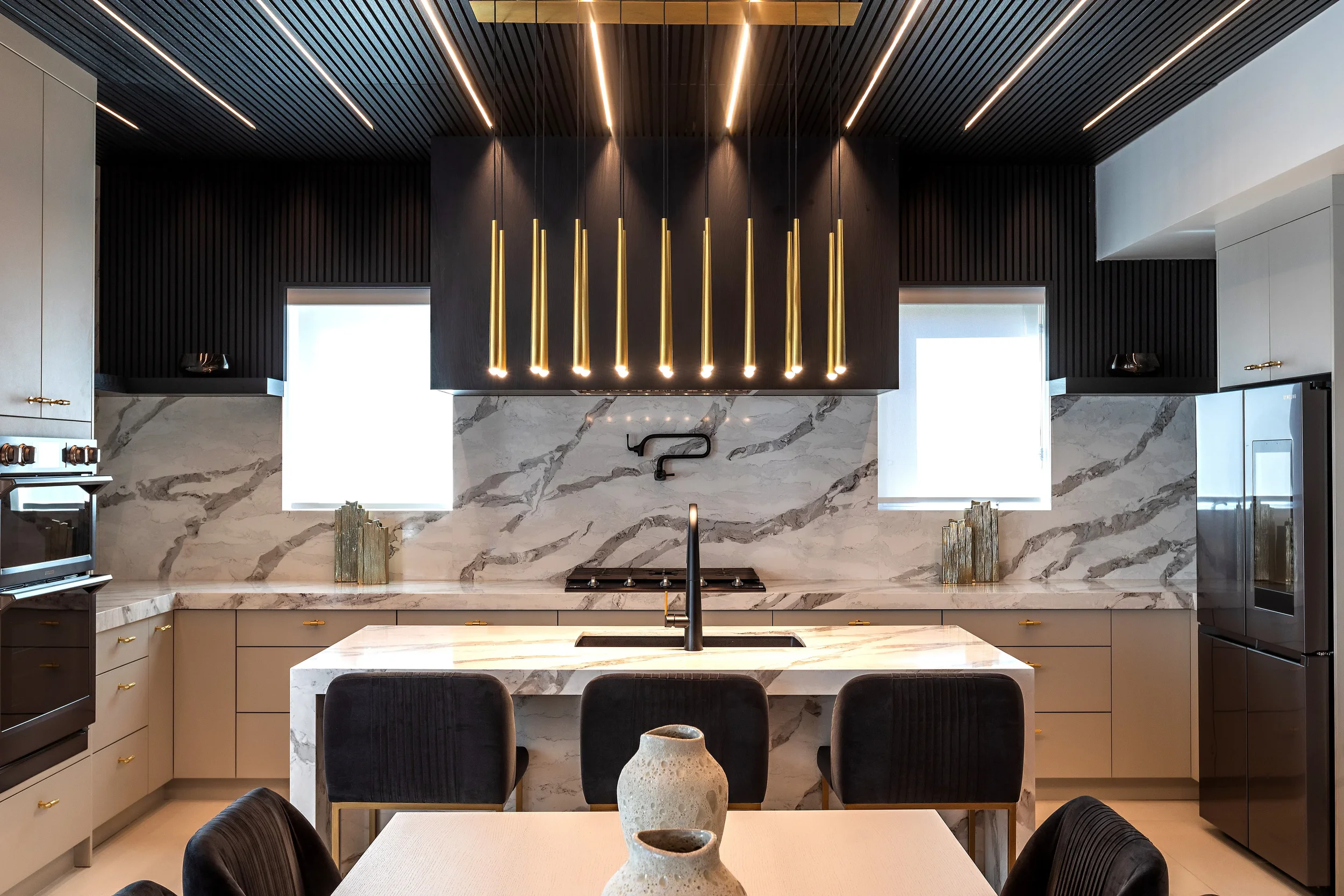
The budget categories that most homeowners miss are often the ones that derail a renovation entirely. In Edmonton, permit fees for significant kitchen remodels — particularly those involving plumbing, electrical, or structural changes — typically run $250-$800 or more depending on scope. If asbestos or mould is discovered, which is common in homes built before 1990, remediation adds $1,500-$10,000 to the project cost with no negotiating room.
Outdated electrical panels requiring an upgrade to support modern kitchen appliances run $1,500-$4,000. Tile removal beneath existing cabinets, structural surprises behind walls, and water damage behind old plumbing fixtures are consistent line items in renovation project overruns.
The professional standard is to carry a 10-20% contingency buffer on top of the renovation budget. On a $30,000 kitchen renovation, that means $3,000-$6,000 held in reserve. Think of it as insurance, not spending money.
Timeline compression also increases costs in ways homeowners rarely anticipate. A 12-week phased project costs meaningfully less than a rushed 4-week execution of the same scope because it avoids overtime labour rates and expedited material sourcing fees.
A phased renovation strategy serves both budget and livability. Completing cosmetic updates in year one and addressing structural or appliance changes in year two spreads the financial impact without requiring simultaneous displacement from the kitchen for months.
How to Finance an Affordable Kitchen Renovation
Most homeowners searching for an affordable Edmonton kitchen renovation are working with a real budget constraint, not just a preference for saving money. Financing options exist across a range of structures, and choosing the right one depends on equity position, timeline, and risk tolerance.
A Home Equity Line of Credit is typically the lowest-interest option for homeowners with built-up equity, offering variable rates and revolving access for larger project scopes. Personal renovation loans offer fixed terms and fixed rates without requiring equity, and are commonly available in the $15,000-$50,000 range, though rates vary significantly by lender. Some design-build firms offer contractor financing plans through third-party partners, useful when bundling design and construction into a single turnkey engagement.
Credit cards are appropriate only for small cosmetic work under $5,000 when the balance can be cleared quickly. For homeowners who prefer to avoid debt entirely, a phased cash-flow approach (completing the renovation in stages funded by savings over 12-24 months) is a disciplined and viable path.
Kitchen renovations in Edmonton typically return 70-80% of investment at resale, which provides reasonable justification for using secured financing like a HELOC when equity exists. According to Statistics Canada's Residential Renovation Price Index, Alberta recorded the largest provincial cost increase in Q1 2025 at 1.0%, a signal that renovation demand in the province remains strong and that budgeting conservatively is a sound practice.
Working with a full-service interior designer from the outset helps homeowners allocate financing strategically, ensuring that phased spending is sequenced to maximize both immediate livability and long-term investment return.
Smart Purchasing: When and Where to Buy Materials for Less
Material sourcing is a direct affordability lever that most renovation guides skip entirely. Appliances go on sale during Black Friday, Labour Day, and major holiday weekends, and purchasing during these windows reliably saves 15-30% on major appliance packages.
Floor display models and clearance cabinetry from big-box stores and cabinet distributors sell at 30-60% off retail. These units are structurally intact and functionally identical to full-price stock; the discount reflects display wear, not product quality. Scratch-and-dent appliance retailers offer functional units with cosmetic damage at 20-40% below retail; a smart cut when the appliance will spend its life inside a cabinet housing.
End-of-run tile and flooring represent another real opportunity. Discontinued lines purchased in bulk often sell at steep discounts, and buying excess ensures consistent lot matching throughout the project.
For smaller kitchens, stone yards sell remnant slabs at significant discounts, often sized perfectly for a standard kitchen perimeter. This is one of the most underused cost-reduction strategies available.
Where not to cut: cabinet hardware and drawer slides. Saving on tile design is a genuine smart move. Saving on the mechanical components that operate hundreds of times per year is not.
FAQs About Kitchen Renovations in Edmonton
How much does a kitchen renovation cost in Edmonton?
Edmonton kitchen renovations typically range from $15,000-$45,000 for minor to mid-range projects, and $50,000-$80,000+ for major overhauls with layout changes, custom cabinetry, and premium finishes. Labour accounts for 40-50% of total project cost, and permits are required for any work involving plumbing, electrical, or structural changes.
Is a kitchen renovation worth the investment?
Yes, with realistic expectations. Kitchen renovations in Edmonton typically return 70-80% of their cost at resale, making them one of the higher-ROI home improvement projects available. Beyond resale, a well-executed kitchen renovation improves daily function, increases home enjoyment, and addresses aging infrastructure, including plumbing, electrical, and ventilation, that would require attention regardless.
What is the most affordable way to update a kitchen?
The most cost-effective kitchen update combines cabinet repainting with new hardware, a countertop replacement in laminate or butcher block, updated lighting, and a fresh backsplash. This cosmetic approach can deliver a substantially transformed kitchen for $8,000-$15,000 while preserving the existing layout and avoiding the trade labour costs that accompany plumbing and electrical changes.
Key Takeaways on Kitchen Renovation Costs
Minor kitchen renovations run $10,000-$25,000; mid-range $25,000-$50,000; major overhauls $50,000 and above. Knowing your tier before you start prevents scope creep and budget shock.
Cabinetry consumes 25-45% of the total budget. Repainting or refacing instead of replacing can reduce that line item by 50-70% when the cabinet boxes are structurally sound.
Retaining the existing kitchen layout avoids permit requirements and costly trade labour. It's the single highest-impact cost-control decision available.
Always carry a 10-20% contingency buffer. Hidden costs — permits, mold remediation, and electrical upgrades — are common enough to treat as expected, not exceptional.
Smart material sourcing through seasonal appliance sales, floor models, scratch-and-dent units, and stone remnants can reduce material costs by 20-60% without compromising finished quality.
If you're planning a kitchen renovation in Edmonton and want a design partner who builds beauty within real budget constraints, book a free consultation with Tailored Interior. Led by award-winning Edmonton interior designer Aness Handous — a multiple winner at The International Design & Architecture Awards in London — the studio manages every phase in-house, from concept through to final installation.
Explore our residential design services to see how we approach every project with both aesthetics and affordability in mind.