
Interior Home Renovation Guide in Edmonton
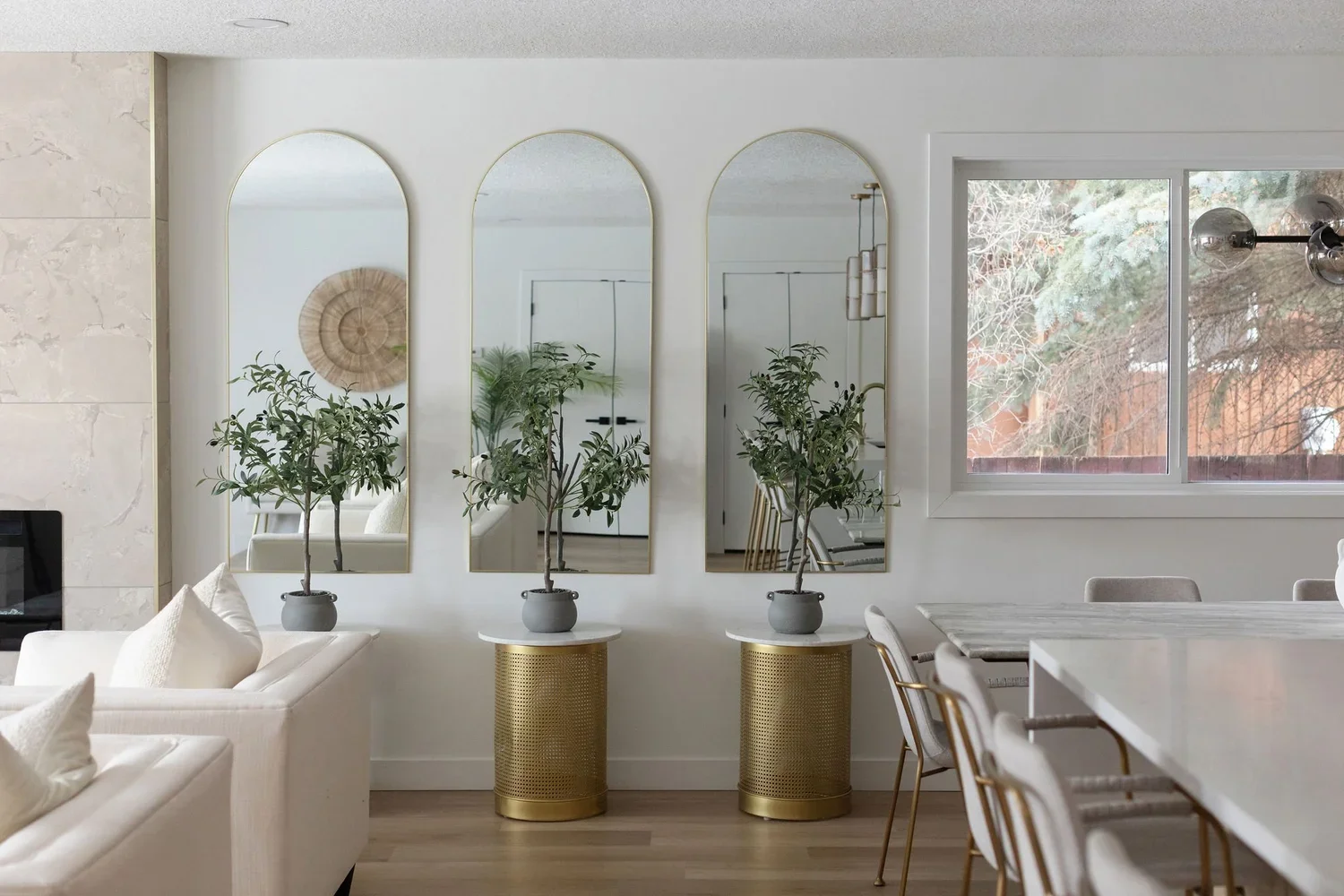
Whether you're planning a single-room refresh or a whole-home overhaul, a successful interior home renovation in Edmonton starts with the right strategy. This guide walks you through every critical phase, from setting goals and building a budget to hiring contractors, managing timelines, and styling your finished space.
What is Interior Home Renovation (and What Can it Really Achieve)?
Interior home renovation covers a broad spectrum of improvements to the inside of a residential property, from cosmetic updates like flooring and paint to full structural overhauls involving layout changes, new plumbing, and electrical upgrades. It's distinct from simple repair work, which addresses immediate damage or failure, and from remodelling, which typically changes the function or footprint of a space.
Common interior renovation projects include kitchen and bathroom renovations, basement finishing, living room updates, flooring installations, and lighting redesigns. Each delivers two forms of value simultaneously: improved daily livability and increased resale appeal.
Whether someone is planning a kitchen and bathroom renovation or a full residential renovation, the same strategic principles apply. The question isn't just "what do I want to change?"; it's "what will make this home truly work for the life I'm living?" A well-executed renovation is both beautiful and functional. That's the standard every project should be held to.
Setting Goals and Priorities Before You Start Planning a Renovation
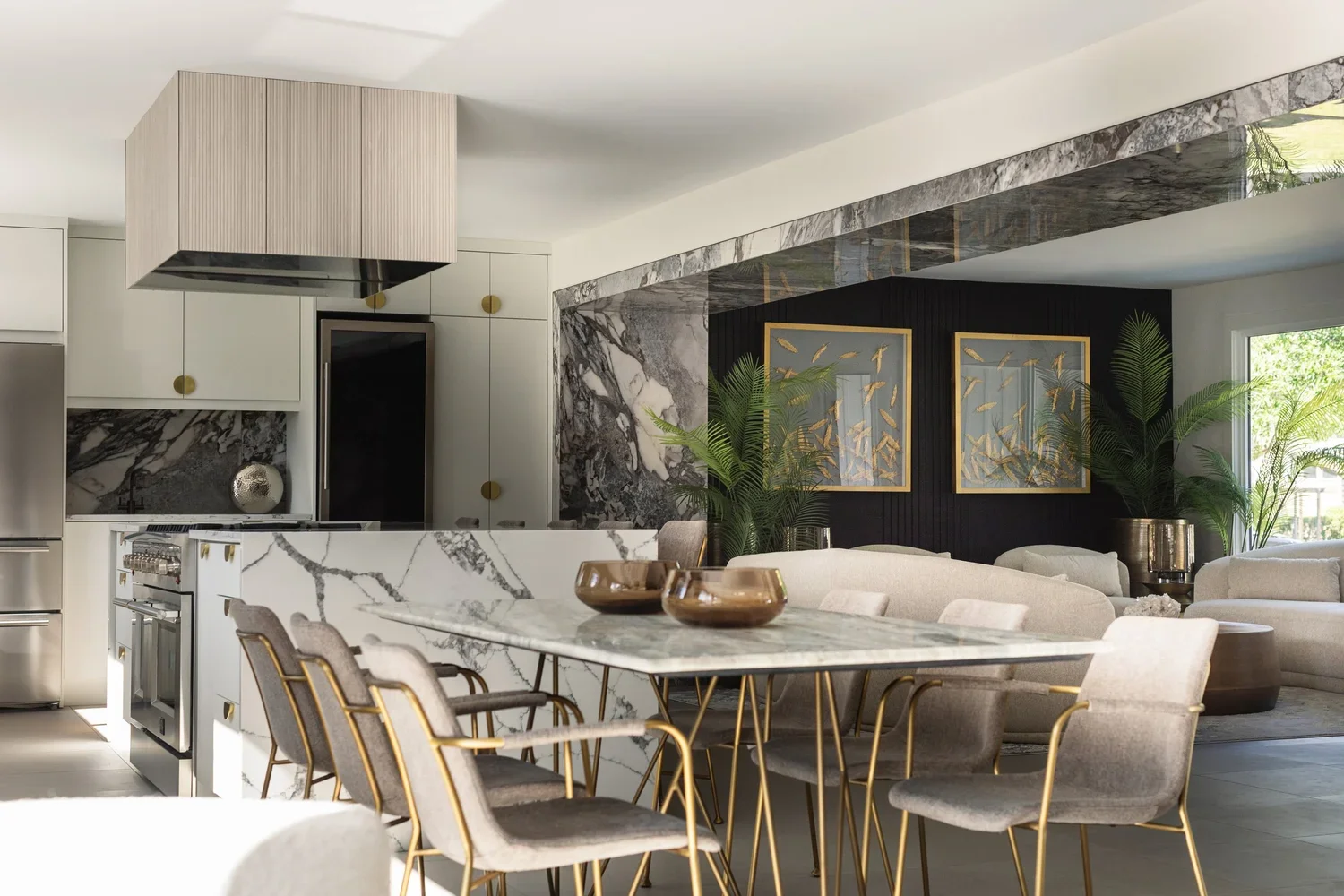
The goal-setting phase is the most overlooked step in home renovations, and the most consequential. Homeowners who skip it often find themselves mid-project with a stretched budget and a scope that has drifted far from the original intent.
Ask five essential questions before calling a single contractor:
What in my home is broken, dysfunctional, or creating daily friction?
What spaces do I avoid using, and why?
How is my household likely to change over the next five to ten years?
Which rooms have the greatest impact on how I experience the home daily?
Am I renovating to enjoy this home longer, or to prepare it for sale?
Lifestyle factors shape every answer. A growing family needs durable surfaces and flexible layouts. Aging-in-place priorities call for accessible bathroom design. Remote workers need well-designed home offices. Phased interior renovations are a practical solution when you can't tackle everything at once.
Needs vs. Wants: Separating What Your Home Requires From What You'd Like
List every room in the home. For each one, identify functional issues first: water damage, outdated electrical panels, poor traffic flow, inadequate storage, or failing fixtures. Aesthetic wishes come second. Addressing functional needs before cosmetic upgrades protects your investment. Renovating over unresolved structural issues means paying twice.
Building a Renovation Budget That Actually Holds

The cost of a kitchen renovation in Edmonton typically ranges from $30,000 to $75,000. Bathrooms fall between $10,000 and $30,000 depending on size and scope. Basement finishing runs $25,000 to $60,000 for a fully livable space.
Budget construction should follow a clear sequence: estimate costs by room type, build in a 15 to 20% contingency buffer, and understand the labour-to-materials split; this typically runs 40 to 60% labour depending on trade complexity.
Kitchen, bathroom, and basement renovations return the highest resale value of any home improvement investment, but only when executed with accurate budgeting from the start.
Why Set Aside Extra Money You May Not Spend?
Hidden costs in home remodelling aren't the exception; they're the norm, particularly in homes across Edmonton and surrounding communities built before the 1990s. Behind finished walls, contractors regularly find outdated wiring, cast iron plumbing that can't support modern fixtures, moisture damage from decades of freeze-thaw cycles, and asbestos in older insulation or flooring adhesives.
A 15 to 20% contingency isn't wasted money. It's protection against a forced choice: stop the project or abandon the original design vision. Homeowners who fund contingency rarely spend all of it; those who skip it almost always need it.
How to Find, Vet, and Hire the Right Renovation Contractor

Start with referrals from trusted sources: friends, neighbours, and local design firms who work with contractors regularly. Cross-reference with online reviews, but weight referrals more heavily. Request portfolios of completed projects similar in scope to yours, whether that's a full kitchen and bathroom renovation or a targeted basement finishing project.
Before signing anything, ask every candidate these five questions:
Are you licensed and insured in Alberta, and can you provide current documentation?
Do you have experience with residential renovations at this scale?
Will you be on-site personally, or will the work be managed by a subcontractor I haven't met?
What does your payment schedule look like, and what milestones trigger each payment?
Can you provide three references from completed projects in the last 12 months?
Understanding contractor models matters. A general contractor manages multiple trades but isn't always the designer. A design-build firm manages both design and construction in-house, which means fewer handoffs, cleaner accountability, and tighter budget control.
Red Flags to Watch for When Hiring a Contractor
Watch for these warning signs: no physical business address, pressure to begin within days of the first conversation, bids significantly below every competitor, no written scope of work, a request for more than 30% upfront, and no verifiable references. Each indicates either poor business practice or an intent to cut corners. A legitimate contractor welcomes scrutiny.
Designer and Contractor Separately, or One Firm for Both?
Both models work, but the tradeoffs are real. Hiring separately gives homeowners more choice at each stage but places coordination responsibility entirely on them. A design-build model places one team in charge of design and execution, with shared accountability for outcomes. For complex projects, such as full interior renovations or kitchen and bathroom renovations run simultaneously, the integrated model typically delivers cleaner results and fewer mid-project surprises.
The Renovation Process: Stages, Timelines, and What to Expect
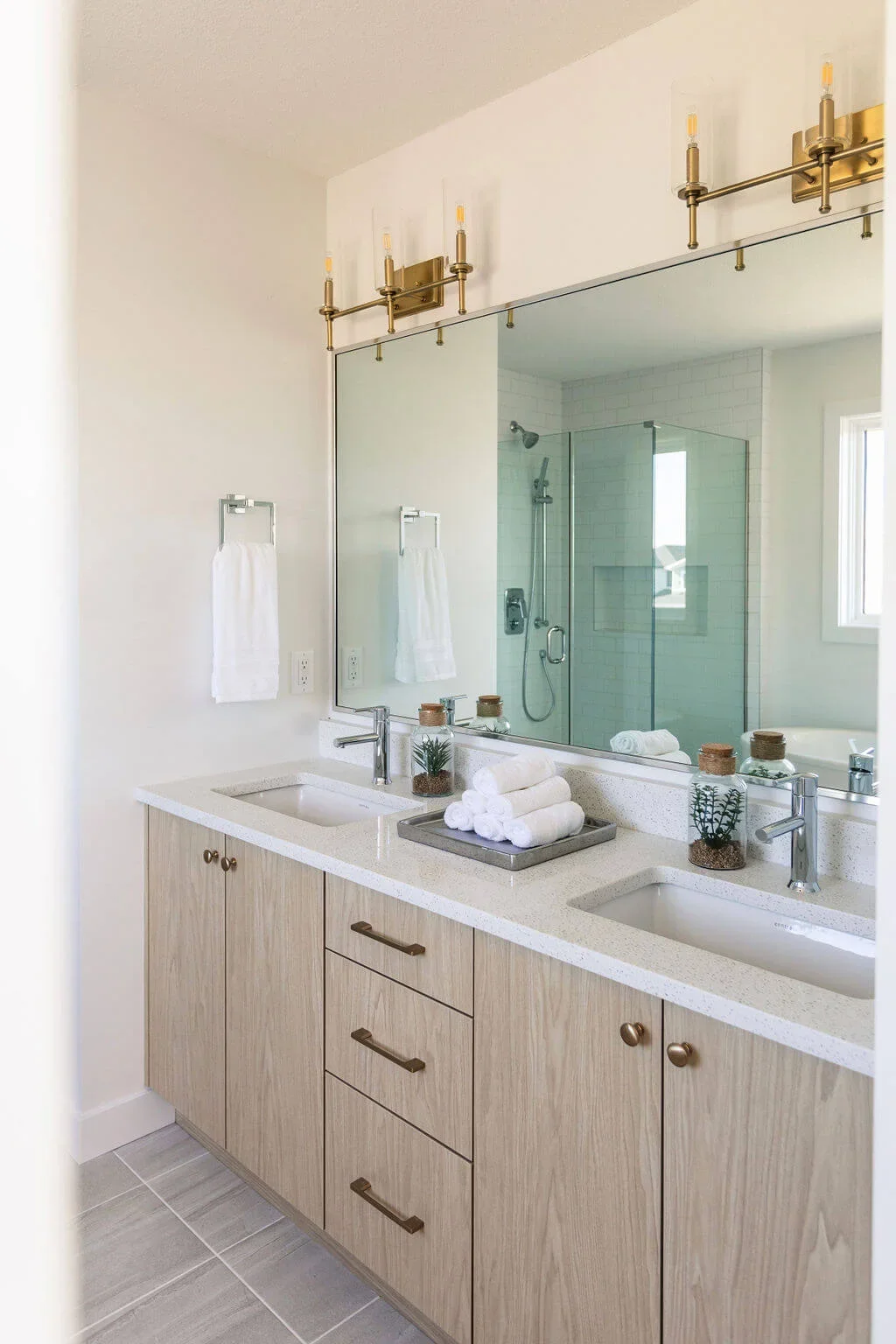
An interior renovation project moves through six distinct stages: pre-construction (design finalization, permit applications, material procurement), demolition, rough-in work (plumbing, electrical, HVAC), insulation and drywall, finish work (flooring, cabinetry, tile, trim), and final installation and styling.
Realistic timeline estimates by project type:
Bathroom renovation: 2 to 4 weeks
Kitchen renovation: 4 to 8 weeks
Basement finishing: 6 to 12 weeks
Full interior renovation: 3 to 6 months
These ranges assume materials are ordered before demolition begins. Custom cabinetry alone can carry an 8 to 12-week lead time. Chris Loves Julia, home renovation bloggers, recommend two practical habits: make a shared calendar with your contractors before work begins, and keep one area of your home clean and organized throughout the project as a refuge from the chaos.
Timeline risks compound quickly when not addressed early. A permit delay of two weeks can push a kitchen renovation past a family holiday. Regular contractor check-ins at defined milestones are the most reliable form of timeline management.
Do I Need a Permit, and What Happens If I Skip It?
Most structural, electrical, plumbing, and HVAC work in Edmonton requires a permit. Skipping permits carries real consequences: insurance policies can be voided, and unpermitted renovations may need to be deconstructed at resale when a home inspection reveals discrepancies. In Edmonton, permit approval typically takes 2 to 6 weeks depending on project complexity. Factor this window into the project schedule before booking a contractor.
Common Interior Renovation Mistakes (and How to Avoid Them)
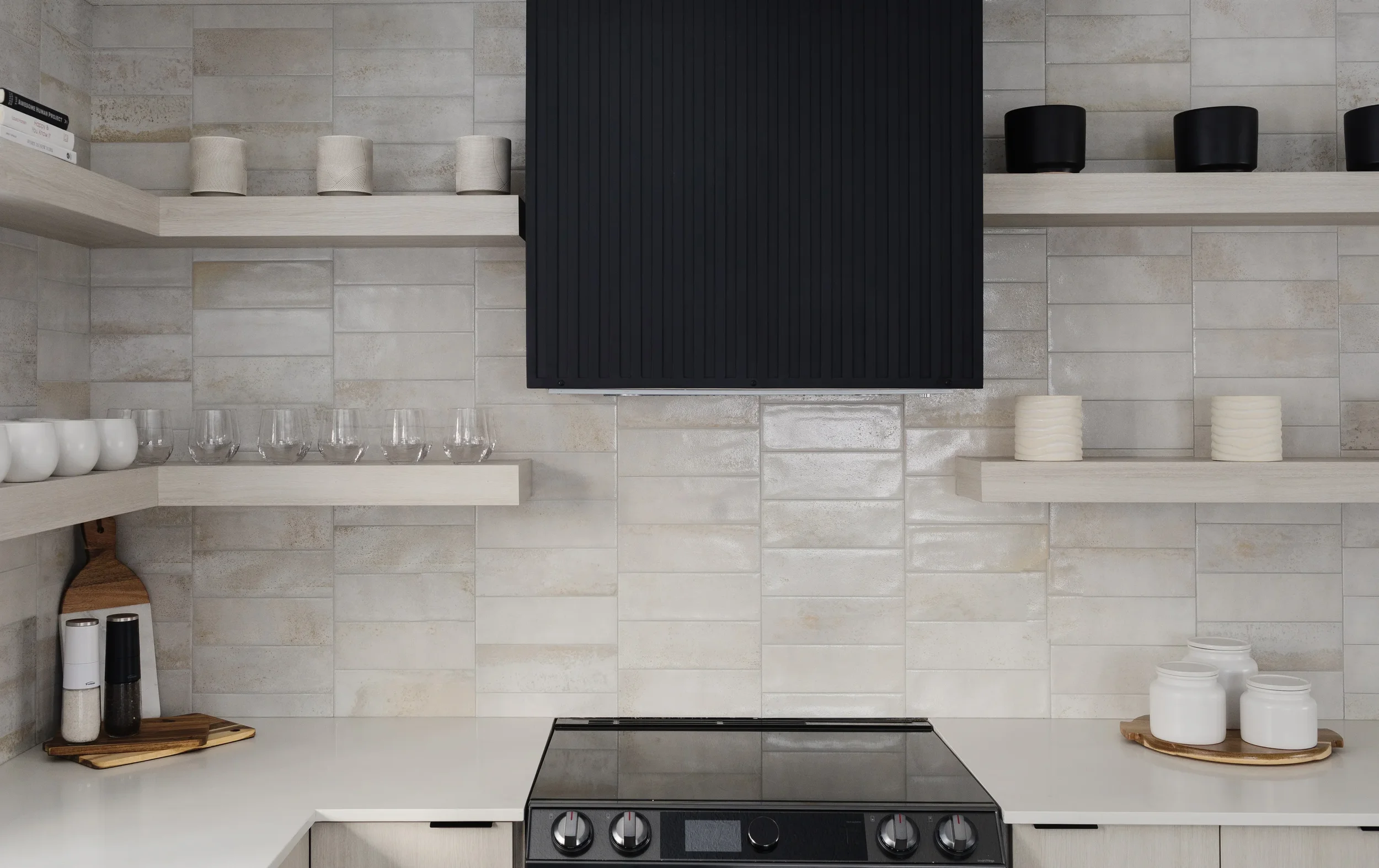
The most instructive lessons in home remodelling come from what goes wrong. The same mistakes appear repeatedly across interior home renovation projects of every scale.
When a designer and contractor operate as separate entities without shared accountability, miscommunication becomes one of the most common and costly sources of mid-project disruption. A design specification doesn't reach the trades team. A measurement discrepancy isn't caught until cabinetry is being installed.
Tailored Interior's full-service, in-house model: design and execution are managed by a single team. This exists specifically to close that gap, keeping intent and execution aligned from first concept to final installation.
Beyond coordination failures, these are the mistakes that derail home renovations most often:
Starting without a locked design plan: Decisions made mid-construction cost two to three times more than decisions made on paper.
Choosing finishes before confirming measurements: Tile ordered before the layout is set often results in material waste or visual imbalance.
Underestimating material lead times: Custom cabinetry, specialty tile, and imported stone can take 8 to 14 weeks. Order early.
Skipping permits: The downstream consequences at resale and with insurers far exceed any short-term time savings.
Hiring on price alone: The lowest bid rarely accounts for material quality, crew experience, or the cost of fixing what goes wrong.
No written payment schedule: Without milestone-tied payments, there is limited recourse if work stalls or quality drops.
Changing scope mid-project: Every scope change resets timelines and inflates budgets. Make changes in the design phase, not the construction phase.
Over-personalizing finishes: A highly personal finish palette may reduce a home's appeal to future buyers. Balance personal expression with broad livability.
Choosing Materials, Finishes, and Sustainable Options That Last
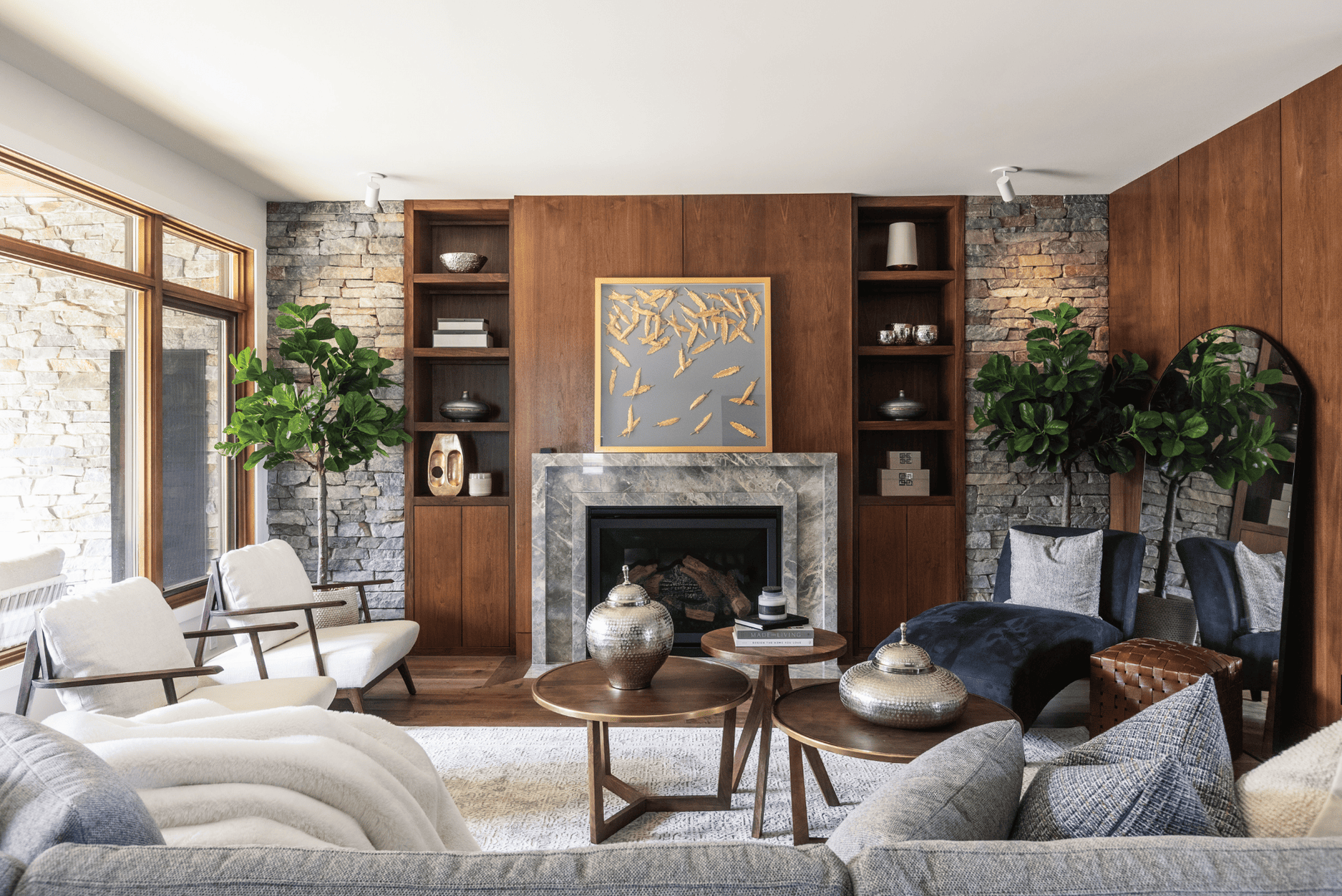
Material selection defines the long-term success of any interior renovation, and it's where the gap between showroom appeal and real-world performance is most pronounced.
For flooring, engineered hardwood and luxury vinyl plank offer durability and dimensional stability in Edmonton's dry winters. Porcelain tile remains the strongest choice for wet areas. For cabinetry, solid wood with dovetail joinery outperforms MDF in high-use kitchens over a 15-year horizon. Quartz countertops consistently outperform granite in maintenance and stain resistance for active households.
Low-VOC paints improve indoor air quality measurably after a renovation. Reclaimed wood and recycled tile reduce environmental impact without compromising aesthetics. Energy-efficient windows and improved insulation reduce utility costs and increase appraisal value, a direct return on the renovation investment.
Materials that look premium at installation but fail within five years cost more than buying quality upfront. Durability and aesthetics are not competing priorities in a well-designed residential renovation. They have the same priority.
Styling Your Home After the Renovation: From Construction to Livable Space
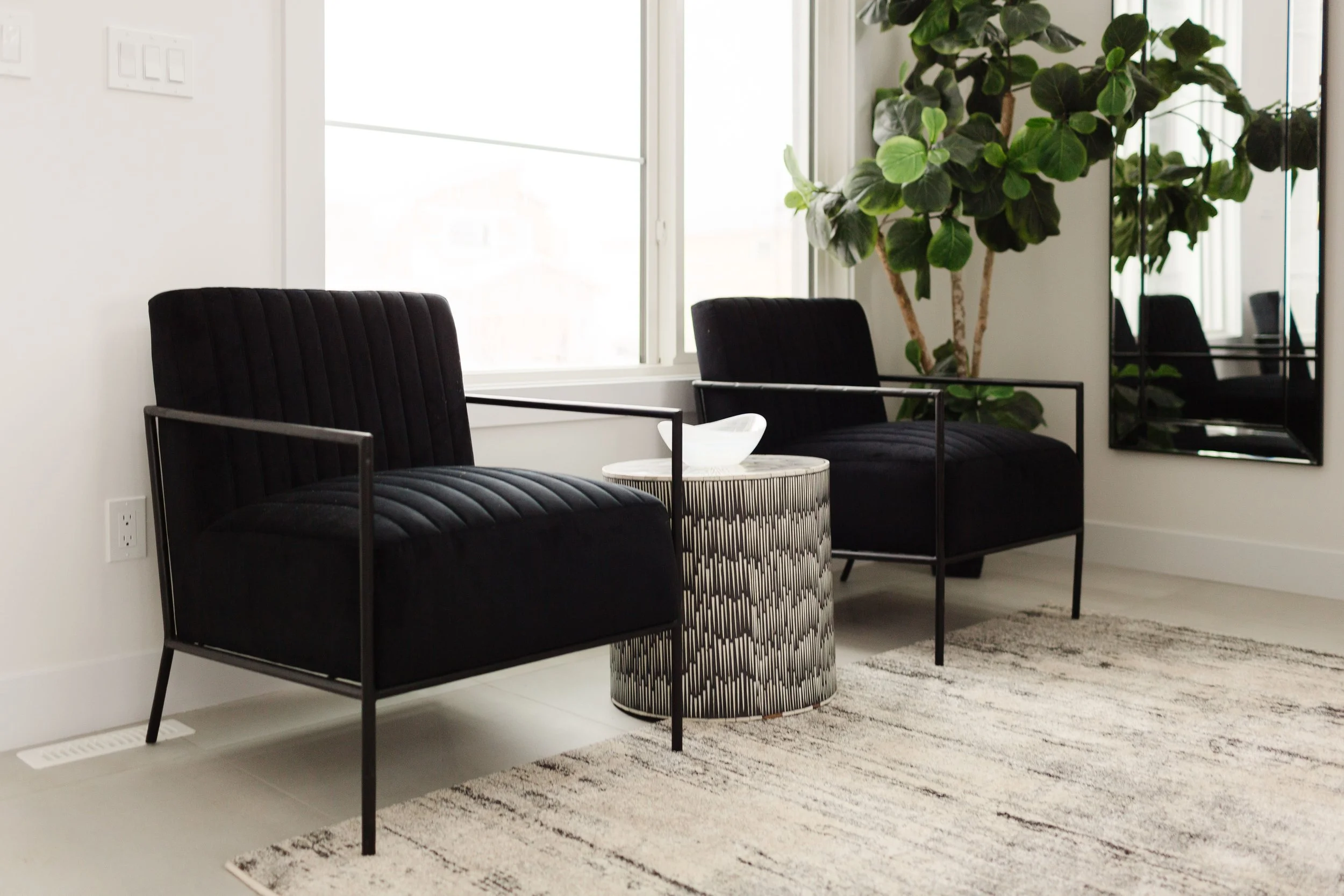
Once contractors leave, the work of making the space actually livable begins.
Start with air quality. Drywall dust and sanding particulates settle in HVAC systems during construction. Replace filters before moving furniture back into the space. It's a small step that protects both air quality and new finishes.
From there, approach furniture and decor sequentially. Anchor pieces — area rugs, sofas, and dining tables — define the scale and proportion of a room and should be chosen before accessories. A rug that's too small undermines an entire open-plan renovation. Phased purchasing is both financially practical and aesthetically sound: living with the space before filling every corner reveals what it actually needs.
Consistent material language like repeating wood tones and a unified hardware finish ties spaces together without requiring identical furniture styles.
This is where working with an interior designer through the styling phase, not just the construction phase, pays its most visible dividends. The design decisions made here, like proportion, finish coordination, and lighting layering, are what transform a technically complete renovation into a refined, lasting space.
Ready to Plan Your Interior Renovation in Edmonton?
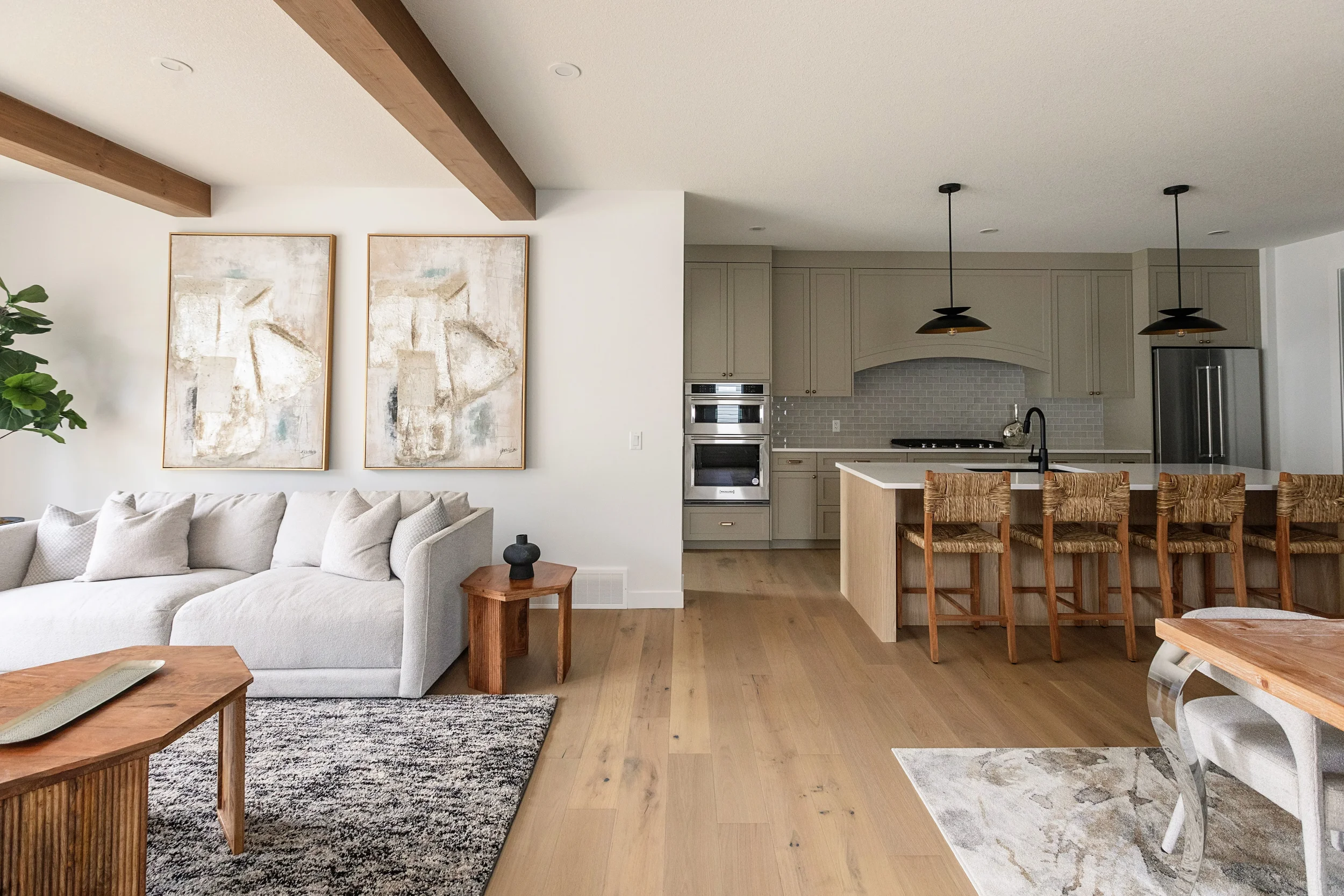
Tailored Interior is a full-service interior design firm led by Aness Handous, a multiple award winner at The International Design & Architecture Awards in London and a regular guest on CTV Morning Live Edmonton. The studio manages every phase of a renovation in-house: from first concept to final installation. The design intent and execution stay aligned throughout.
Book a free consultation to start planning your interior renovation. You can also find our Edmonton interior designer on Google to read reviews from Edmonton homeowners and commercial clients.
Key Takeaways on Interior Renovation
Interior renovation covers a wide range, from cosmetic updates to structural overhauls, and delivers dual value: improved livability and increased resale appeal.
Goal-setting and design finalization before construction begins prevent the majority of budget overruns and mid-project disruptions.
Budget for a 15 to 20% contingency from the start; hidden costs in older Edmonton homes are the rule, not the exception.
Contractor vetting requires more than price comparison: verify licensing, insurance, references, and the clarity of the written scope before signing anything.
Tailored Interior's in-house design-build model eliminates the coordination gaps that cause the most common and costly renovation mistakes.
Material selection and post-renovation styling are where a technically complete renovation becomes a beautiful, functional, lasting home.