Condo Renovation Ideas: What to Know Before You Start
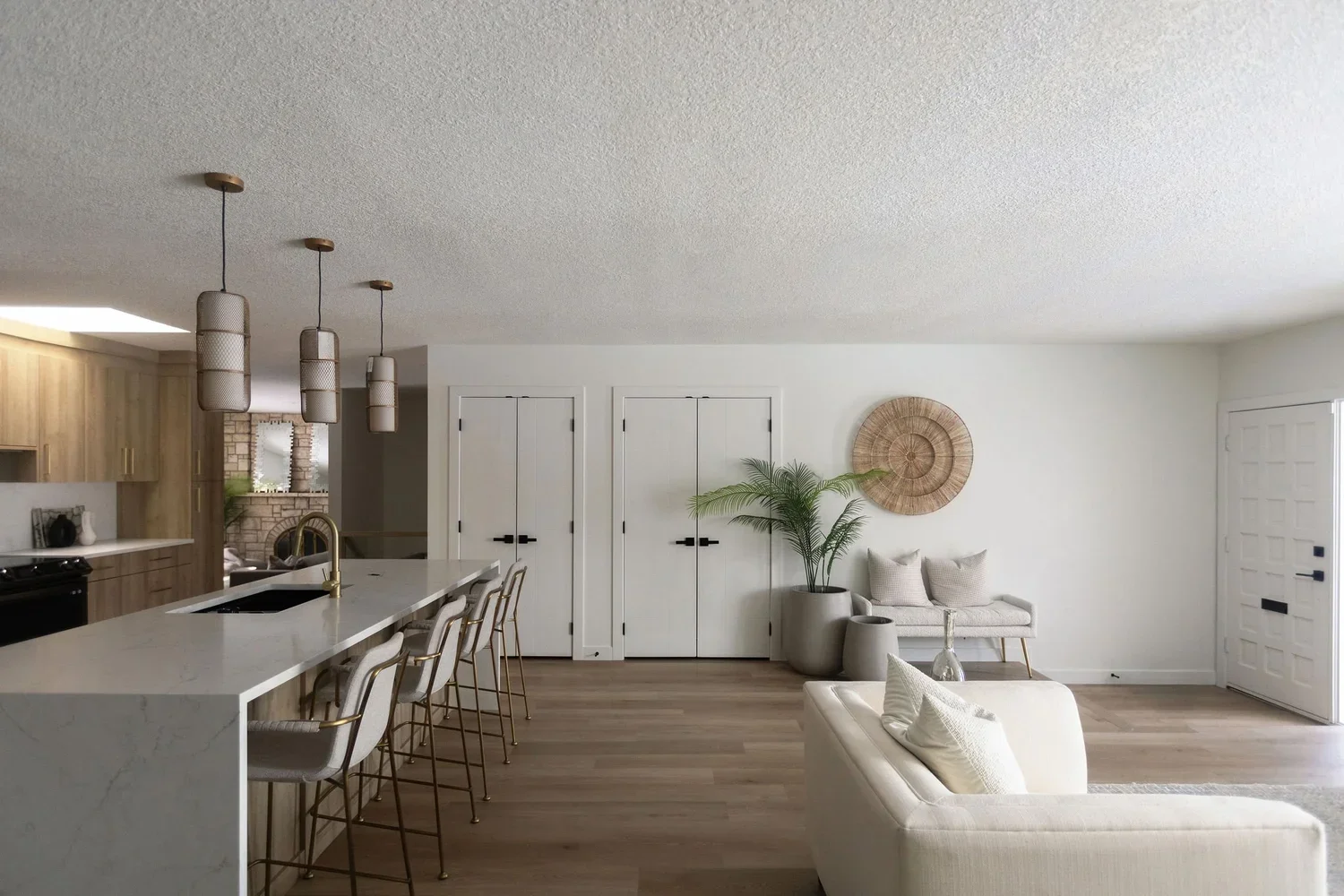
Renovating a condo requires more planning than most owners anticipate. Not because the design decisions are harder, but because the building rules, shared infrastructure, and structural constraints shape what is possible before you ever choose a tile. This condo renovation ideas guide walks through every major area of a condo renovation, from living room to bathroom, with practical guidance on what delivers results and what creates costly problems.
Why Condo Renovation Ideas Require a Different Approach
Condo renovation starts with constraints, not inspiration boards. Unlike single-family homes, condos exist within a shared structure, and that changes nearly every decision you will make.
Shared walls transmit sound. Load-bearing elements are often concealed and protected under strata or HOA agreements. Plumbing and electrical systems frequently tie into central building infrastructure, meaning you cannot simply move a wet wall or add a circuit without formal approval. Ventilation runs through shared shafts. Even flooring choices may be governed by noise bylaws that require specific acoustic underlays.
The practical starting point for any condo renovation is reviewing your strata or HOA documents before hiring anyone. Know what requires a permit, what requires written approval, and what contractor access rules apply. This is risk management, not bureaucratic friction. Projects shut down mid-construction cost far more than projects planned correctly from day one.
According to the Leading Indicator of Remodeling Activity (LIRA) from the Joint Center for Housing Studies of Harvard University, year-over-year spending on home renovation and repair is projected to grow by 2.9% in early 2026 before easing through the end of the year.
Condo Renovation Mistakes That Cost You the Most
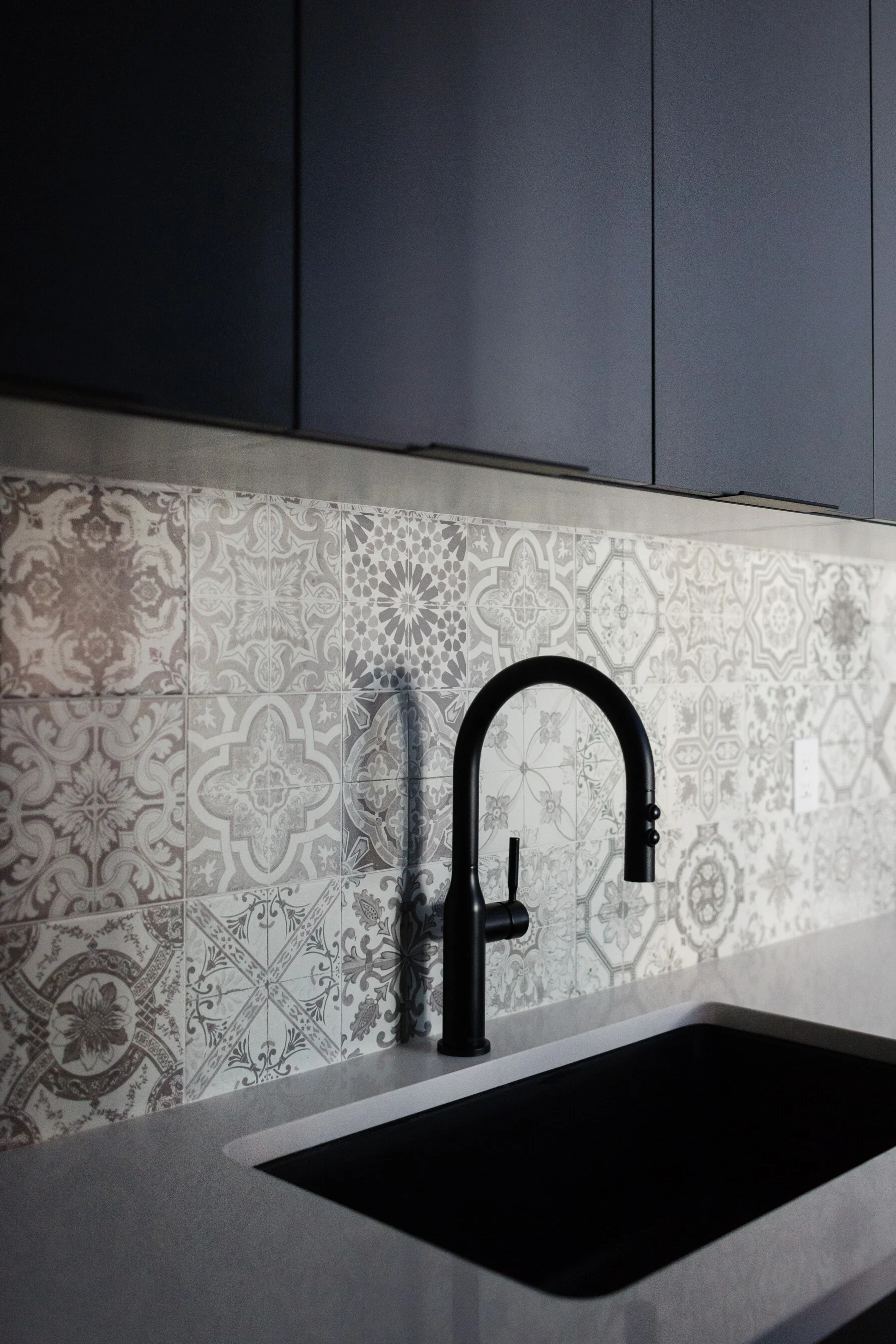
The most expensive condo remodel ideas are often the ones that never should have started. These five mistakes account for the majority of costly condo renovation setbacks.
Moving Plumbing or Electrical Without Building Approval
Condo plumbing often connects to shared risers. Unauthorized changes can result in mandatory restoration at your cost, plus strata fines.
Altering Walls Without a Structural Assessment
Shared walls in condo buildings carry Sound Transmission Class (STC) ratings, which are minimum performance standards for acoustic separation. Removing or modifying them without assessment can violate building code and degrade neighbouring units.
Violating HOA or Strata Rules Mid-Project
Most buildings regulate contractor work hours, freight elevator access, and permitted renovation scope. Starting work without approval doesn’t just risk fines; it can require full restoration to the original state.
Over-Personalizing Finishes
Highly specific tile patterns, non-standard layout changes, or niche design choices can narrow your buyer pool significantly. Condo renovations that work long-term balance personal taste with broad appeal.
Ignoring Ventilation Requirements
Bathroom and kitchen exhaust systems connect to shared building infrastructure in most condos. Upgrading a fan motor is typically permitted; rerouting ductwork usually is not. Confirm scope before any kitchen or bathroom renovation begins.
Living Room Renovation: Making the Most of Your Main Space

A condo living room renovation succeeds when design decisions are tied directly to how the space is used, not simply how it looks in photographs.
Furniture Layout
When you compare open floor plan vs. closed floor plan options for condos, a real tradeoff emerges. Open plans maximize natural light and perceived square footage, which is valuable in compact units. However, in shared-wall units, open layouts can amplify sound transmission between rooms and from neighbouring units. Closed configurations offer more acoustic privacy but can feel restrictive in smaller footprints.
For most condos, the answer is a multifunctional living space; a living room that uses zoning, furniture placement, and lighting to define areas within an open plan without adding walls.
Furniture Selection
In compact condo living rooms, scaled-down sectionals, floating furniture arrangements, and dual-purpose pieces — a storage ottoman, a console that doubles as a desk — recover function that square footage cannot provide.
Colour Palette
On colour, the trending interior design palette for 2026 leans toward earthy neutrals, warm terracotta, and deep green used as an accent rather than a primary wall colour. When comparing modern vs. traditional interior design styles, the distinction largely comes down to whether your fixtures and furniture emphasize clean geometry and minimal ornamentation, or warmth, layering, and natural materials. The better question is which ages well in your building's context and buyer market.
Smart Home Integration in the Living Room
The highest-impact living room upgrades that require no structural changes are technology-based. Programmable lighting scenes allow the same space to shift from daytime workspace to evening lounge without physical reconfiguration.
Smart thermostats improve energy efficiency and appeal to buyers. Motorized blinds offer light control without window modification. Wireless speaker systems eliminate the need for in-wall audio runs. These upgrades are low-disruption, permit-free in most buildings, and carry strong resale appeal.
Condo Kitchen Renovation Ideas That Work in Any Size Unit
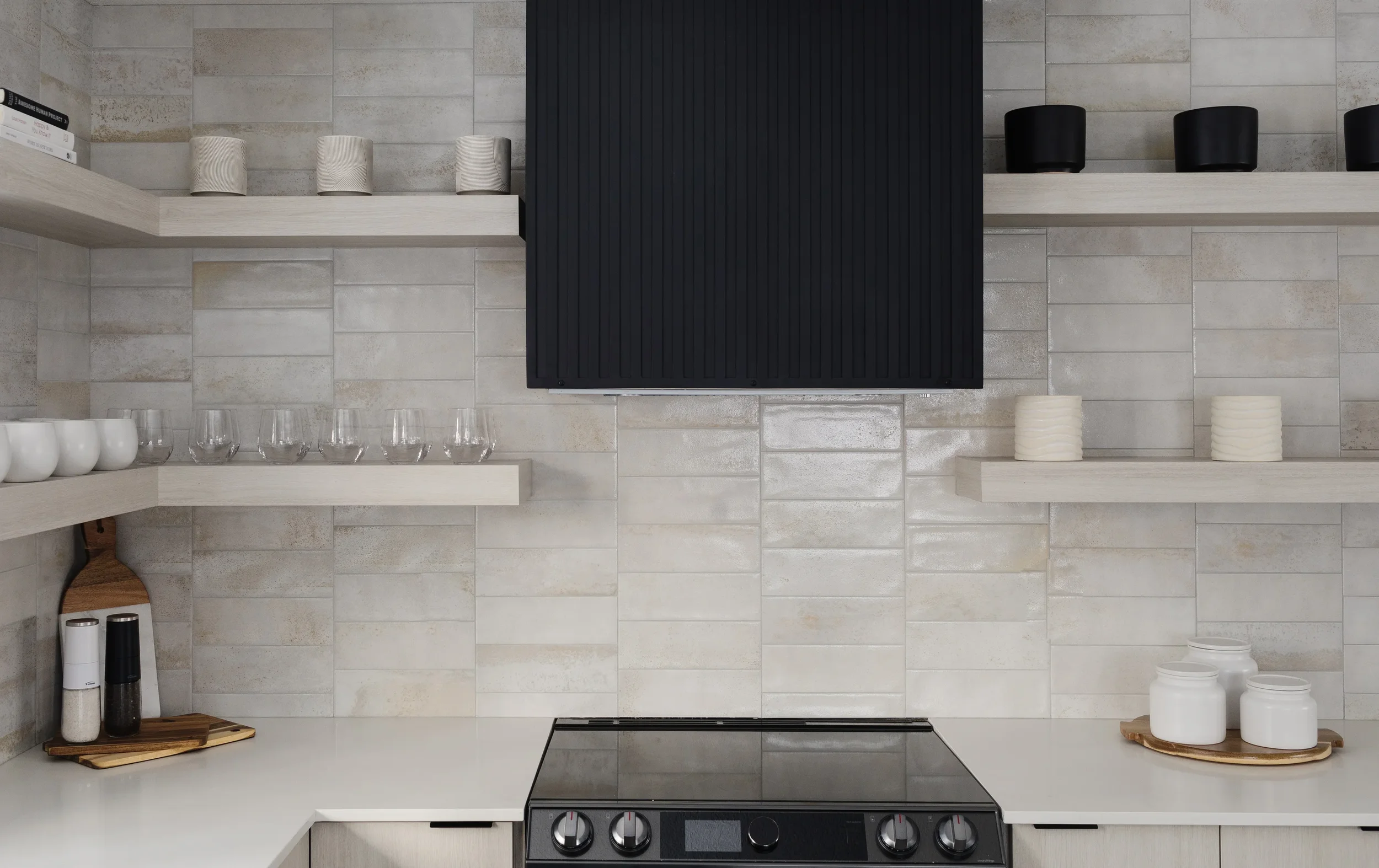
A condo kitchen renovation delivers some of the strongest returns on investment of any room in the unit, provided the scope is matched to the building's price tier.
Kitchen Cabinets
Cabinet updates represent the highest visual-impact-per-dollar decision. Full replacement maximizes design freedom; refacing is significantly less expensive and still transforms the room. Handleless cabinetry reads as clean and modern and suits both contemporary and transitional design directions.
For countertops, quartz remains the leading choice among popular renovation materials. It’s non-porous, consistent in appearance, and durable under daily use. Stone slabs offer organic variation; butcher block adds warmth but requires maintenance discipline.
Kitchen Backsplash
Backsplash selection has shifted toward larger formats: slab backsplashes that extend the countertop material up the wall, zellige tile for handmade texture, and classic subway tile in updated proportions. For flooring, porcelain tile is technically superior to ceramic as it’s denser, tougher, and less porous, making it the practical choice for condo kitchens with high traffic and moisture exposure. Herringbone installation patterns add visual interest without requiring additional material cost.
Kitchen Storage
Kitchen storage solutions are where many condo kitchens gain the most ground: pull-out pantry columns, vertical cabinet stacking to ceiling height, under-counter drawer organizers, and open shelving for frequently accessed items. Energy-efficient appliances and low-VOC cabinet finishes align with sustainable design principles without requiring structural compromise.
Designing a Compact Condo Kitchen
When the kitchen footprint is genuinely constrained, layout efficiency becomes the primary design tool. Galley layouts maximize linear counter and storage space; L-shaped configurations work well with an added peninsula island on locking casters for flexibility.
Ceiling-height cabinetry recovers square footage that most kitchens leave unused. Light-reflective surfaces, including high-gloss cabinet faces, large-format tile, and under-cabinet lighting, expand the visual space without changing a single dimension.
Bathroom and Bedroom Renovation Ideas for Condo Living

According to Statista, about 70% of homeowners who renovated in 2023 carried out interior room remodelling, with kitchens and bathrooms consistently ranking as the most commonly updated spaces. These rooms directly affect daily comfort, and in condos, targeted upgrades can make a compact unit feel significantly more considered.
Bathroom Renovations
In the bathroom, walk-in shower conversions are among the most popular condo remodeling ideas for units with two or more bathrooms. The tub-to-shower conversion increases perceived square footage and allows for large-format tile that reduces grout lines and visually expands the walls and floor.
Floating vanities maintain the floor line across the full room width, which reads as larger. Heated floors are a high-value upgrade that does not require structural change in most condos, only access to the subfloor.
One firm constraint: bathroom exhaust must connect to the building's existing ventilation system. Upgrading the fan motor for better airflow is typically permitted; rerouting ductwork is not.
Bedroom Renovations
For bedroom renovations, built-in wardrobes and custom closet systems replace freestanding furniture and recover floor space. An upholstered headboard wall creates a strong design focal point without requiring changes to a shared wall. Blackout window treatments are practical in condo buildings where adjacent structures and street-level light are common factors.
The 2026 colour palette for bedrooms favours quiet, restorative tones — soft clay, warm white, and muted sage — that support rest without requiring repainting before a future sale.
Flooring, Materials, and Finishes That Elevate Every Room
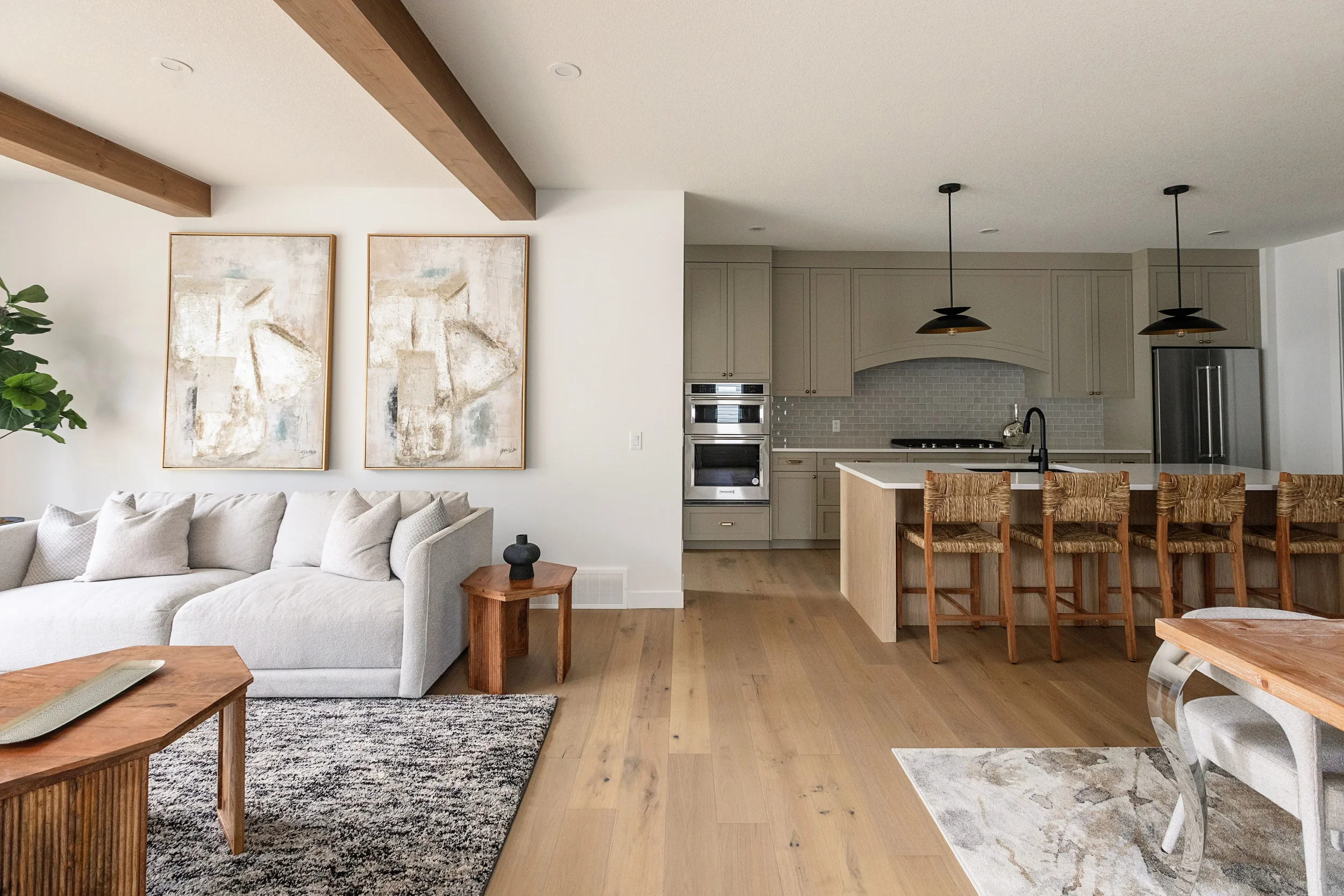
Flooring decisions in a condo carry functional weight that purely aesthetic choices do not. Choosing the right flooring for a condo renovation depends on which room, which building, and what your strata documents say about acoustic performance.
Flooring
Hardwood is warm and timeless, but many condo buildings require acoustic underlay beneath any hard flooring to meet impact sound standards, which is a real constraint many owners overlook until they are already mid-installation. Luxury vinyl plank (LVP) is waterproof, durable, and available in formats that closely replicate hardwood, making it the practical choice for high-traffic areas and rental units.
Engineered hardwood offers more dimensional stability than solid hardwood in the humidity-variable environment of a condo building. Porcelain tile remains the standard for kitchens and bathrooms; installed in a herringbone pattern at a recommended 5:1 length-to-width ratio, it adds architectural interest to smaller rooms.
Renovation Materials
Beyond flooring, popular renovation materials in 2026 include quartz countertops, matte black and brushed brass fixtures, fluted glass cabinetry inserts, and limewash or textured paint for walls that add depth without structural change.
Sustainable Materials
Recycled-content LVP, low-VOC paints, and FSC-certified wood are accessible choices that align with responsible design. LED lighting cuts energy consumption by up to 75% compared to incandescent, making it a meaningful operational saving in a year-round residence. DIY-friendly updates that work well in condos include painting, peel-and-stick backsplash installation, and floating floor installation. All are permit-free in most buildings and accessible to owners with moderate skill levels.
Which Renovations Add the Most Resale Value to a Condo
Not all condo renovation ideas deliver equal financial return.
High ROI Condo Renovations
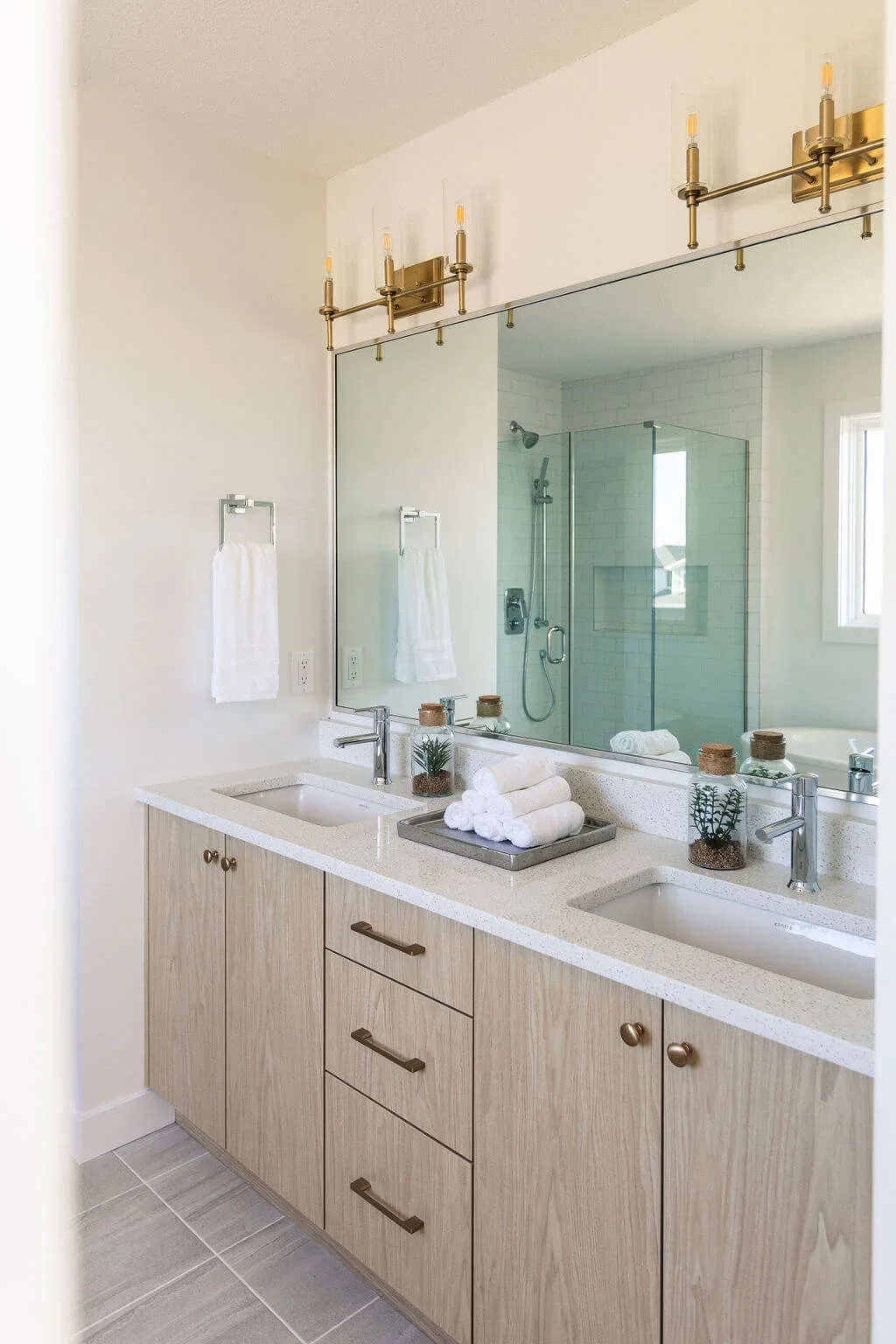
High-ROI renovations for condos include kitchen updates (cabinet, countertop, and appliance refreshes), bathroom upgrades (shower conversions, new vanity, updated lighting), flooring replacement (particularly LVP or engineered hardwood throughout main living areas), and storage improvements. These are the first things buyers and appraisers assess because they affect daily function, not just appearance.
Low ROI Condo Renovations
Lower-ROI personalizations include highly customized tile layouts, bold non-neutral accent walls, luxury fixtures in entry-level buildings, and removing closets to expand open space. Removing storage is a consistent mistake; it’s among the most valued features in condo resale.
Costly Errors in Condo Renovations
The most common financial error in condo remodels is over-renovating relative to the building's price tier. A $50,000 kitchen renovation in a building where comparable units sell for $300,000 rarely returns full value at resale. The best condo renovation approach targets functional improvement and broad aesthetic appeal rather than maximum personalization.
For owners renovating with rental income in mind, the priority shifts to durability and maintenance. LVP flooring, quartz countertops, matte-finish cabinetry, and lever-style hardware are the tenant-proof standard. These are finishes that hold up, photograph well, and require minimal upkeep between tenants.
How to Plan Your Condo Renovation from Start to Finish
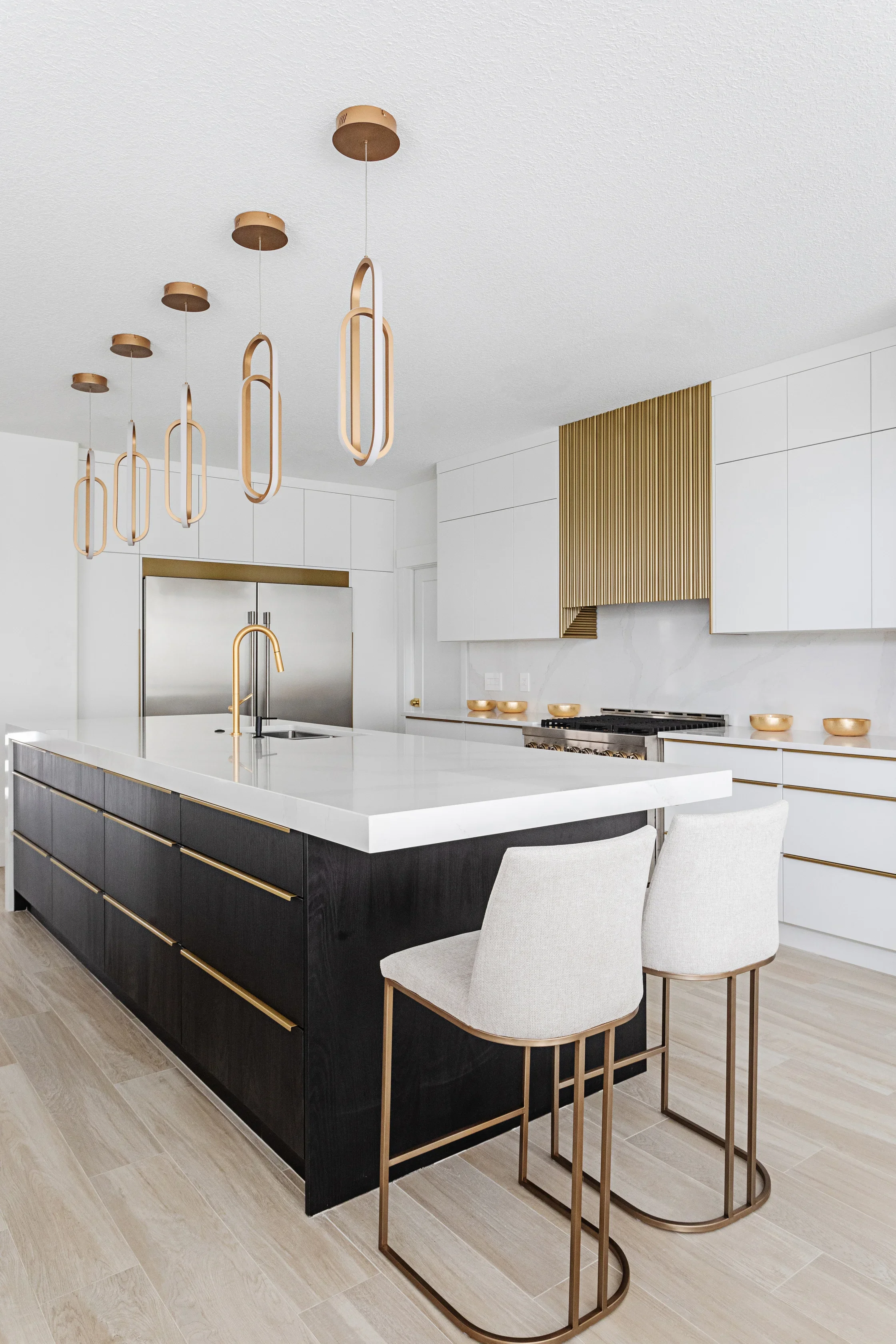
A room-by-room condo renovation guide is only useful if the planning structure behind it is sound. Renovation ideas executed out of sequence or without building approval first create compounding problems that cost more to fix than they would have cost to prevent.
Professional project management, such as hiring an Edmonton interior designer, is especially valuable in this context. Aness Handous, founder and lead interior designer at Tailored Interior and a multiple-award winner at The International Design & Architecture Awards in London, has guided condo and residential renovation projects ranging from single-bedroom units to large luxury residences across Edmonton and surrounding communities.
That depth of experience matters when building rules, strata requirements, and coordination complexity add layers that most owners underestimate. Book a free consultation to discuss your condo renovation with the team.
Here is a practical framework for taking a condo renovation from concept to completion:
Step 1: Review Strata or HOA Rules
Obtain pre-approval before you hire a contractor. Confirm what requires a permit, what requires written consent, and what contractor access rules apply.
Step 2: Define Scope By Room Priority
Kitchens and bathrooms deliver the strongest functional and resale value per dollar. Start there if the budget is limited.
Step 3: Set a Realistic Budget
Set your budget with a 15-20% contingency buffer. Condo-specific surprises, such as asbestos in older buildings, hidden plumbing issues, and HOA freight elevator fees, are common and rarely small.
Step 4: Choose Between a Full-Service Design Firm or Independent Trades
Full-service firms handle coordination, permitting, and sequencing in-house, which removes significant complexity for condo owners navigating building rules alongside renovation logistics.
Step 5: Schedule Work Within Building Constraints
Book freight elevator access, confirm contractor hours comply with noise bylaws, and communicate timelines to building management.
Step 6: Follow the Correct Sequencing Order
The correct sequence is: demolition, plumbing and electrical, flooring, cabinetry, fixtures, paint, accessories. Reversing any stage creates rework.
For more on what professional renovation management looks like in practice, see Tailored Interior's residential design services.
Key Takeaways on Condo Renovations

Condo renovation requires building approval before any structural, plumbing, or electrical work begins. Skipping this step is the most common and most costly mistake owners make.
The highest-ROI renovations for condos are kitchens, bathrooms, flooring, and storage.
Over-personalizing finishes or overspending relative to your building's price tier rarely returns full value.
Space-saving furniture, smart home technology, and strategic material choices can dramatically improve how a condo feels and functions without requiring structural changes or permit risk.
Flooring selection must account for strata noise bylaws and acoustic underlay requirements, not just visual preference.
A 15-20% contingency budget and proper home renovation sequencing, from demolition through accessories, are essential in a condo context, where hidden surprises and coordination complexity are higher than in single-family homes.
Ready to renovate your Edmonton condo with a team that manages every phase in-house?Book a free consultation with Tailored Interior.