
Black Accent Wall Design Ideas
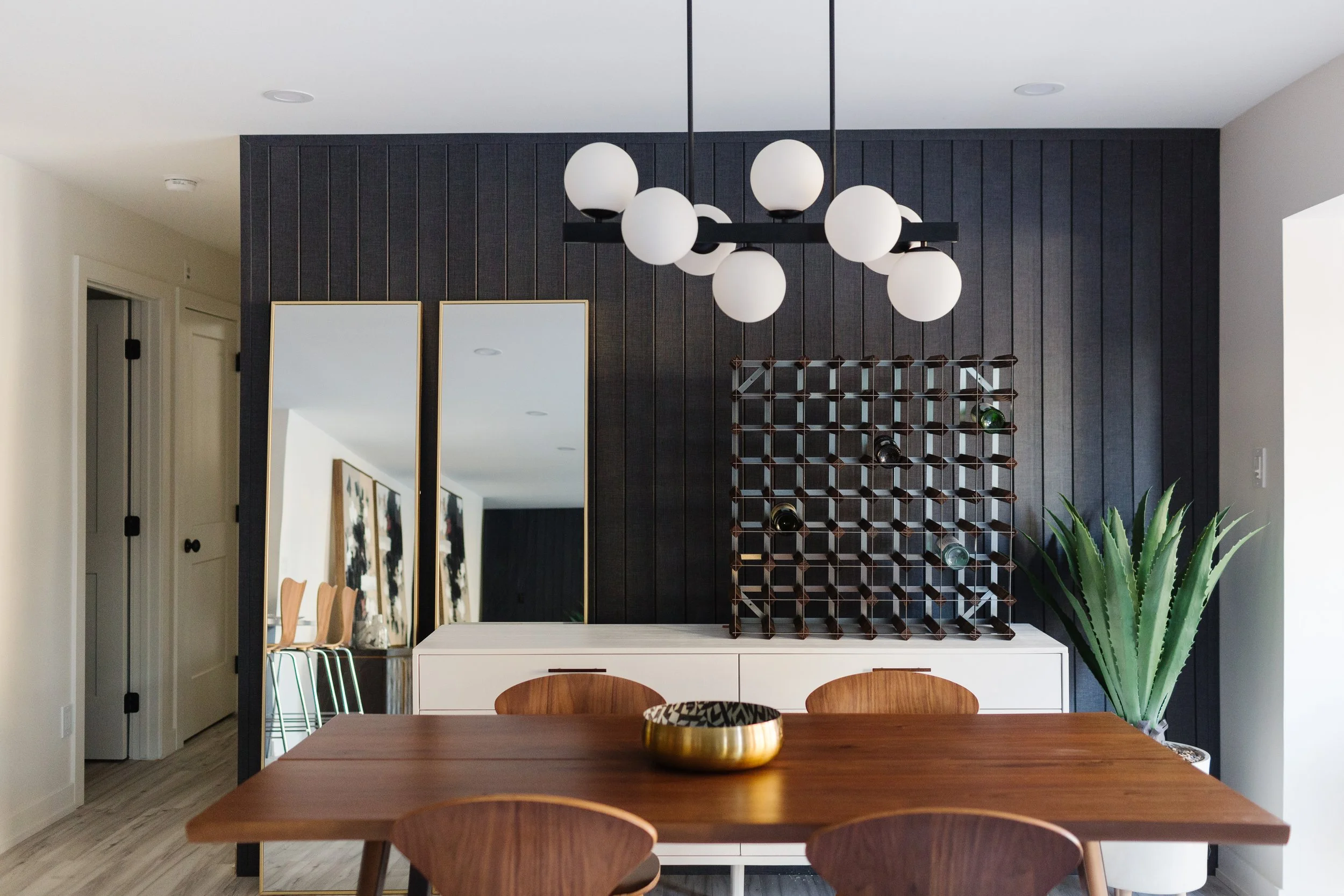
A black accent wall can completely change the look and feel of a room without requiring a full renovation. It’s bold, residentially designed, and surprisingly versatile, whether you want a cozy bedroom, a dramatic living room, or stylish basement upgrades, an accent wall can do more than you think.
Many people assume dark walls are difficult to style or decorate, and some believe they can even make a space feel smaller. In reality, a well-placed black accent wall adds depth, contrast, and personality. When done right, it becomes the focal point that ties everything together. A black accent wall doesn’t overpower a space; it defines it.
In this guide, we’ll break down exactly how to use an interior feature wall in different rooms, how to style it, and how to ensure it enhances your space rather than overwhelming it. If you’ve been collecting wall accent ideas or saving feature wall ideas on Pinterest, this post will give you practical direction you can actually use. For even more inspiration, check out these top interior wall design ideas.
Why a Black Accent Wall Works So Well
A black accent wall works because it creates instant contrast. Instead of blending into the background, it makes furniture, art, and décor stand out.
A black accent wall adds depth to flat spaces and creates visual dimension where walls might otherwise feel plain. It hides small imperfections better than light paint colours and works beautifully in modern, traditional, industrial, and transitional homes. Most importantly, it creates a strong feature wall without relying on heavy décor.
Designing a Black Feature Wall in Living Rooms
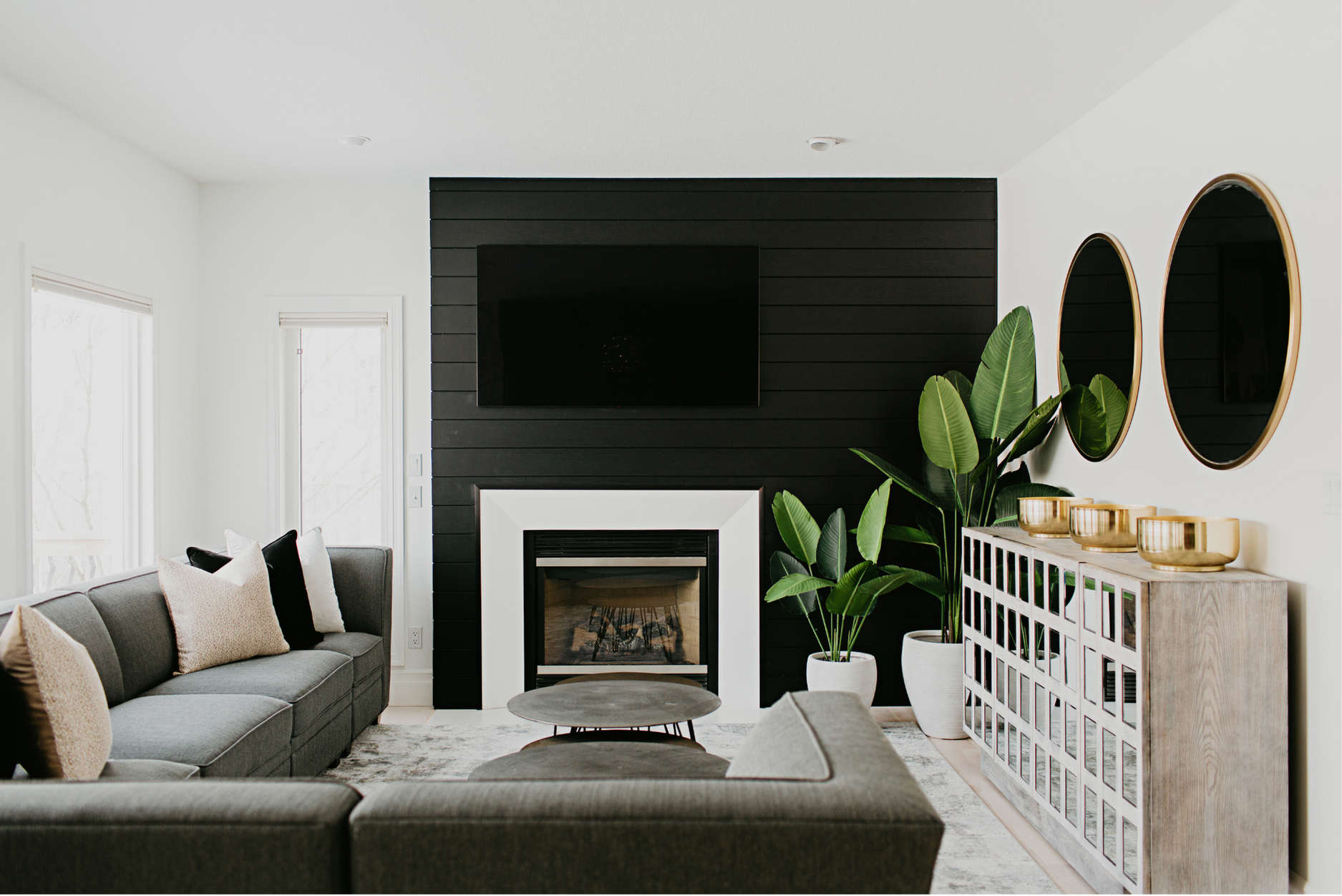
Stylish wall decor can be placed in any room, especially a black accent wall. This is where accent walls naturally belong because they help define the main gathering area of the home.
When used intentionally, a feature wall helps define the main gathering area without overwhelming the entire room. Accent walls provide structure, guide the eye, and create a focal point that makes the space feel professionally designed.
Design Around a Fireplace
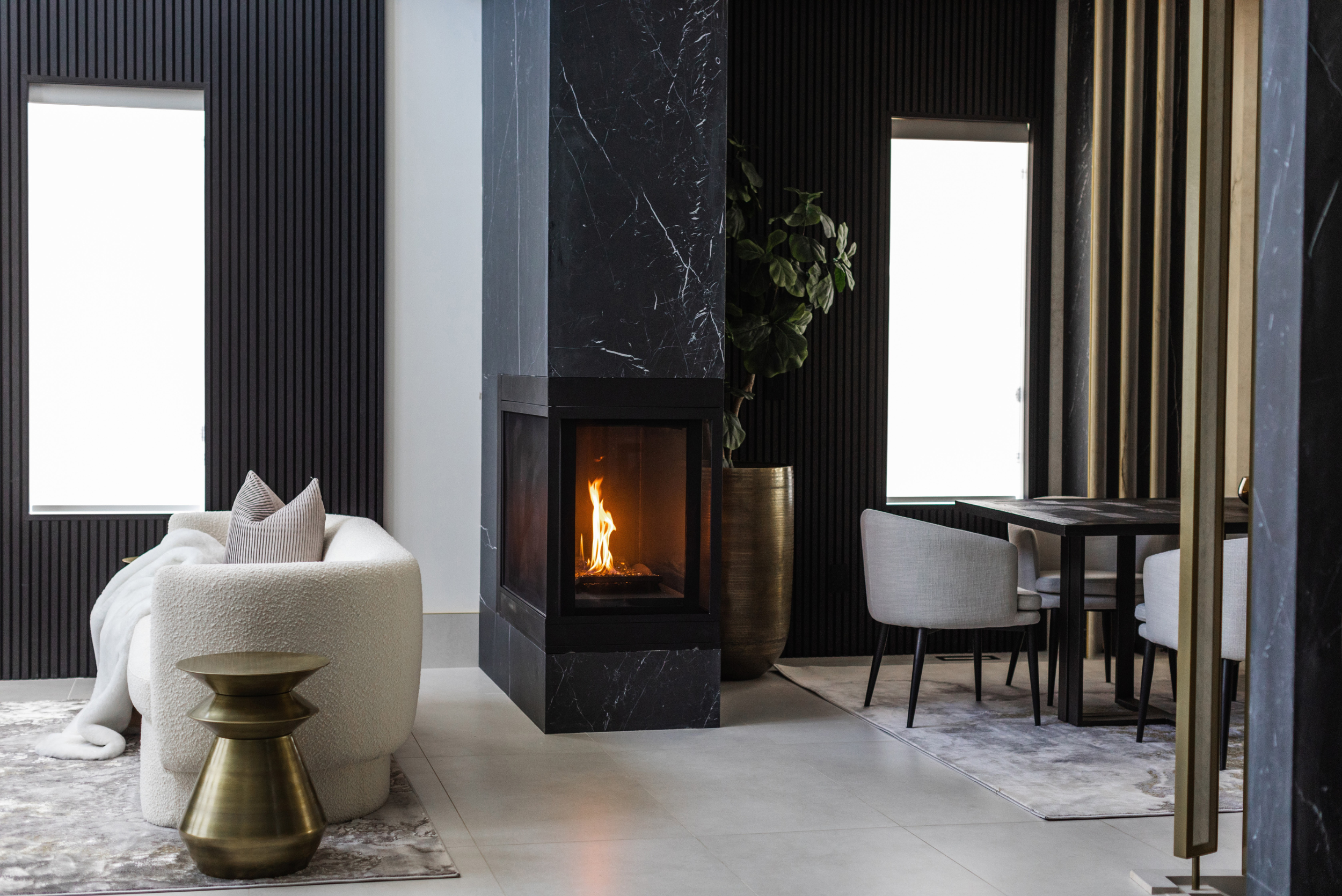
A fireplace already acts as a focal point, but turning the surrounding area into a feature wall enhances its presence even more. This approach adds depth and highlights architectural details. Accent walls around fireplaces work particularly well in modern and transitional homes. The darker backdrop frames the mantel and creates a refined, intentional look.
Pair With Stone or Brick
Natural stone or brick adds texture and warmth. When paired with a dark feature wall, these materials appear richer and more dimensional. Accent walls next to textured finishes create layered contrast. The smooth paint against rough surfaces prevents the space from feeling flat.
Add Metallic Décor
Metallic finishes such as brass, gold, or matte black stand out beautifully. Against a feature wall, these elements reflect light and add depth. Mirrors are especially effective additions to accent walls because they bounce light around the room and prevent the space from feeling heavy.
Frame Built-Ins
If you have built-in shelving, painting the back panel creates depth without committing to an entire surface. This technique still functions as a subtle feature wall within the room. Accent walls behind shelving allow décor, books, and artwork to stand out clearly. The contrast makes built-ins feel custom and thoughtfully designed.
This strategy works across design styles, from traditional to contemporary. A dark feature wall inside shelving adds sophistication without overpowering the space. To maintain cohesion, repeat the darker tone in small accents throughout the room. This helps accent walls feel integrated rather than isolated. For more inspiration, explore these stylish ways to decorate a black wall.
Add a Dining Room Extension
In open layouts, a feature wall behind the dining table can visually define the area. This approach separates zones without disrupting flow. Accent walls are particularly useful when architectural separation is minimal. The contrast clarifies function while maintaining openness.
Black Bedroom Accent Wall Ideas
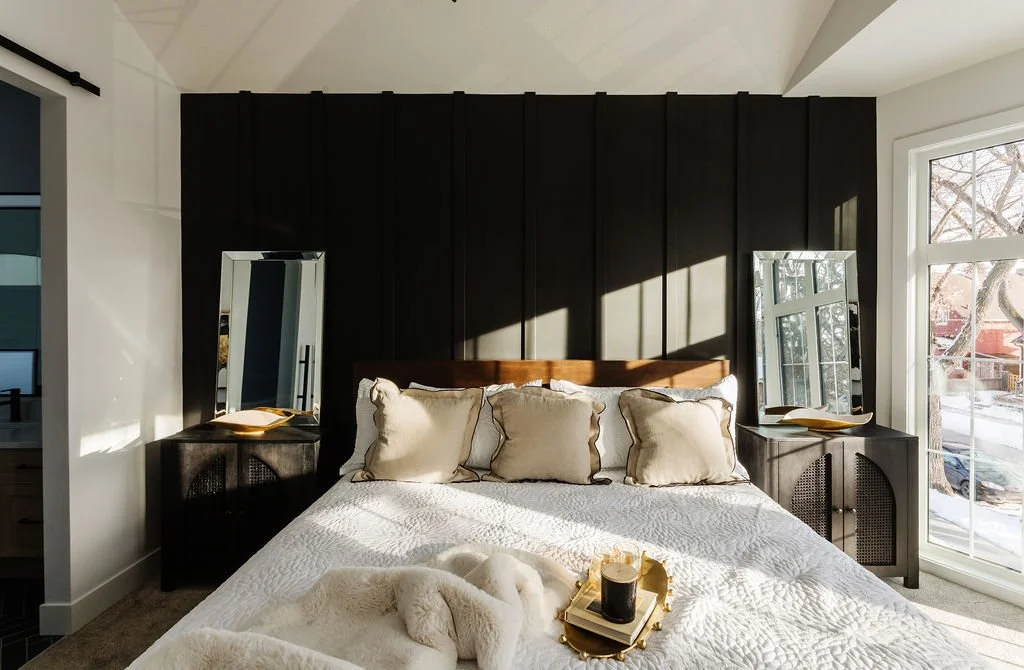
A black bedroom accent wall can feel cozy rather than dark when styled correctly. Bedrooms benefit from depth and softness, and black adds both when balanced with texture and lighting. Because bedrooms are meant for rest, the goal is not intensity but warmth. A black accent wall works best when it enhances comfort instead of dominating the room.
Design Behind the Bed
This is the most common placement. It transforms your headboard wall into a feature wall and creates a natural focal point the moment you enter the room. Positioning a black accent wall behind the bed grounds the largest piece of furniture in the space. It visually anchors the layout and gives the room structure without needing excessive décor.
Add Soft Lighting
Warm lighting softens contrast and enhances comfort. When paired with a black accent wall, soft light reduces harsh shadows and keeps the atmosphere relaxing. Dimmable lighting is especially effective in bedrooms. It allows you to adjust brightness levels so the black accent wall feels calm at night and balanced during the day.
Layer With Textures
Linen bedding, velvet pillows, chunky knit throws, and upholstered headboards prevent the space from feeling stark. Texture is what transforms a black accent wall from bold to inviting. Natural materials like oak nightstands or woven baskets add warmth and break up the darkness. The contrast between soft textiles and a dark backdrop creates visual interest without clutter.
Black Feature Wall With Wood Panelling
A black accent wall with wood panelling is one of the most popular design approaches right now. Wood slats, shiplap, or decorative trim add architectural interest while softening the boldness of black. The combination of black and natural wood creates balance. The dark tone adds drama, while the wood introduces warmth and organic texture.
Two-Tone Designs
A two-tone design helps balance contrast. Pairing black with white, beige, or soft gray keeps the space open while still delivering impact. This approach works particularly well in smaller bedrooms. Painting only the lower half of the wall black creates definition without making the room feel enclosed.
To maintain cohesion, repeat the darker tone in small details such as picture frames or hardware. This keeps the accent wall connected to the rest of the design.
Matte vs Satin Finish
Matte finishes create a soft, velvety appearance that absorbs light. This helps reduce glare and enhances the cozy feel of a black accent wall. Satin finishes offer slight reflectivity, which can help bounce light in rooms with limited windows. The subtle sheen also makes cleaning easier.
Before committing, test samples on different parts of the wall. Lighting conditions change throughout the day, and your chosen finish can look different in morning versus evening light.
How to Create a Bold Accent Wall
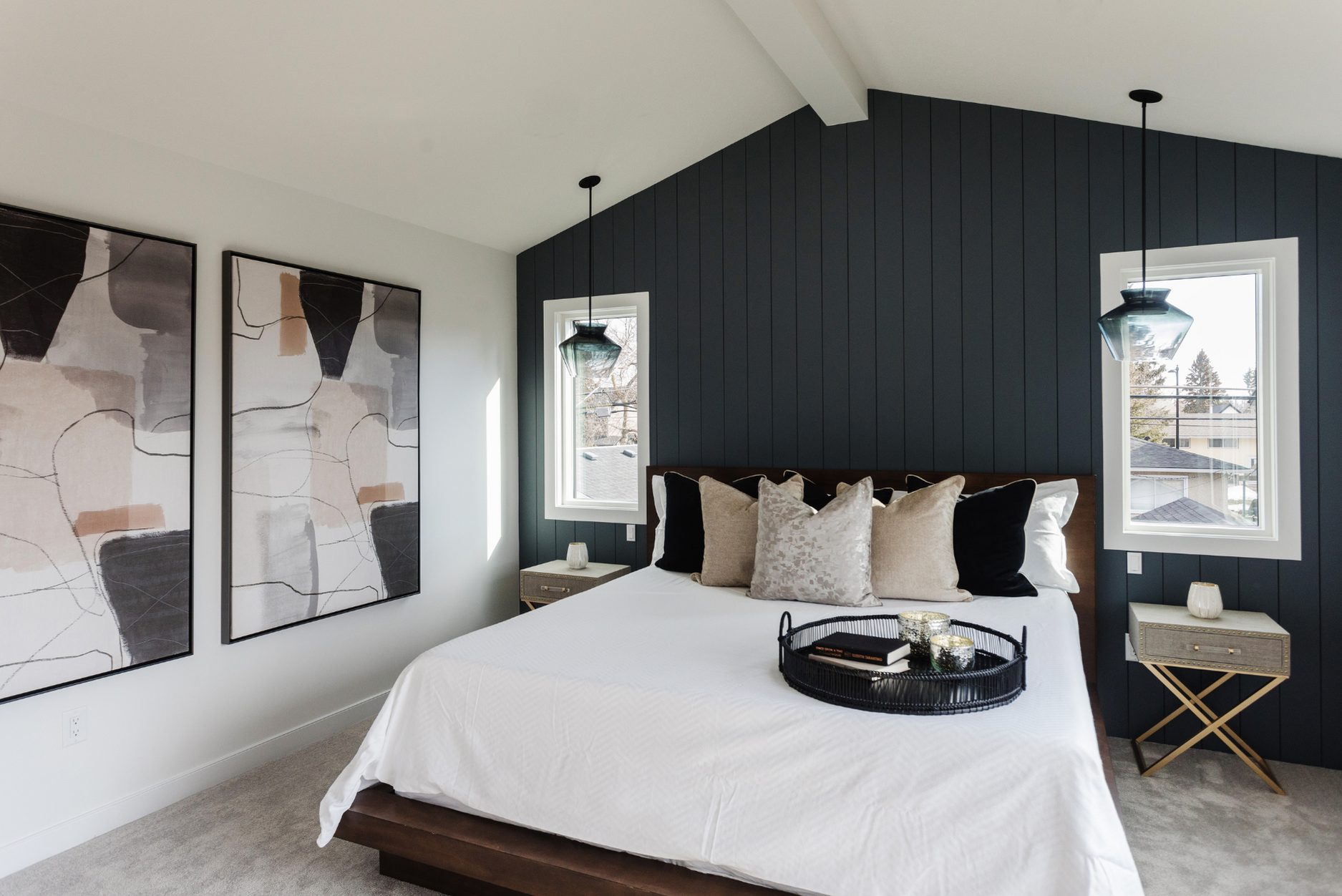
Creating a bold focal point requires more than just choosing a dark paint colour. Accent walls work best when they are intentional, balanced, and aligned with the overall design of the space. A well-designed feature wall should enhance the room’s architecture rather than compete with it. When planned thoughtfully, accent walls can add depth, contrast, and personality without overwhelming the space.
Choose the Right Wall
Not every wall is meant to become a feature wall. The best candidates are naturally central surfaces, such as the wall behind a bed, sofa, or dining table. Accent walls should highlight existing focal points rather than create visual confusion. Choosing a wall with a clear purpose ensures the room feels cohesive and structured.
Avoid selecting walls with too many doors, windows, or awkward angles. A clean, uninterrupted surface allows the feature wall to feel strong and intentional. When in doubt, stand at the room’s main entrance and notice where your eye naturally lands. That wall is often the best choice for accent walls.
Consider Lighting First
Lighting dramatically affects how a feature wall appears. Natural light can soften darker tones, while limited light can make accent walls feel heavier. Before committing, observe how light moves through the space throughout the day. This helps ensure the feature wall enhances rather than darkens the room.
Balance With Surrounding Colours
A bold feature wall needs contrast to stand out effectively. Lighter surrounding walls, ceilings, or trim help accent walls feel intentional and balanced. Neutral tones such as white, beige, or soft gray often pair well with dramatic accent walls. This contrast keeps the room from feeling enclosed.
Test Before Committing
Always sample your paint before finalizing a feature wall. Paint small sections and observe them at different times of day. A black accent wall can look dramatically different depending on lighting and surrounding finishes. Testing prevents costly mistakes and ensures confidence in your choice.
Use large sample boards if possible, so you can move them around the room. This allows you to see how the feature wall interacts with furniture and décor. Taking time to test ensures your accent walls feel bold, polished, and thoughtfully executed.
Keep Décor Intentional
Once your feature wall is complete, styling becomes crucial. Accent walls already provide visual impact, so décor should complement rather than compete. Choose artwork, mirrors, or shelving that enhances the wall’s presence. Negative space can be just as powerful as decorative elements.
Avoid overcrowding the surface. A few well-chosen pieces allow the feature wall to remain the focal point. When styled carefully, accent walls transform from simple painted surfaces into standout design features that elevate the entire room.
Modern Wall Accent Ideas With Black
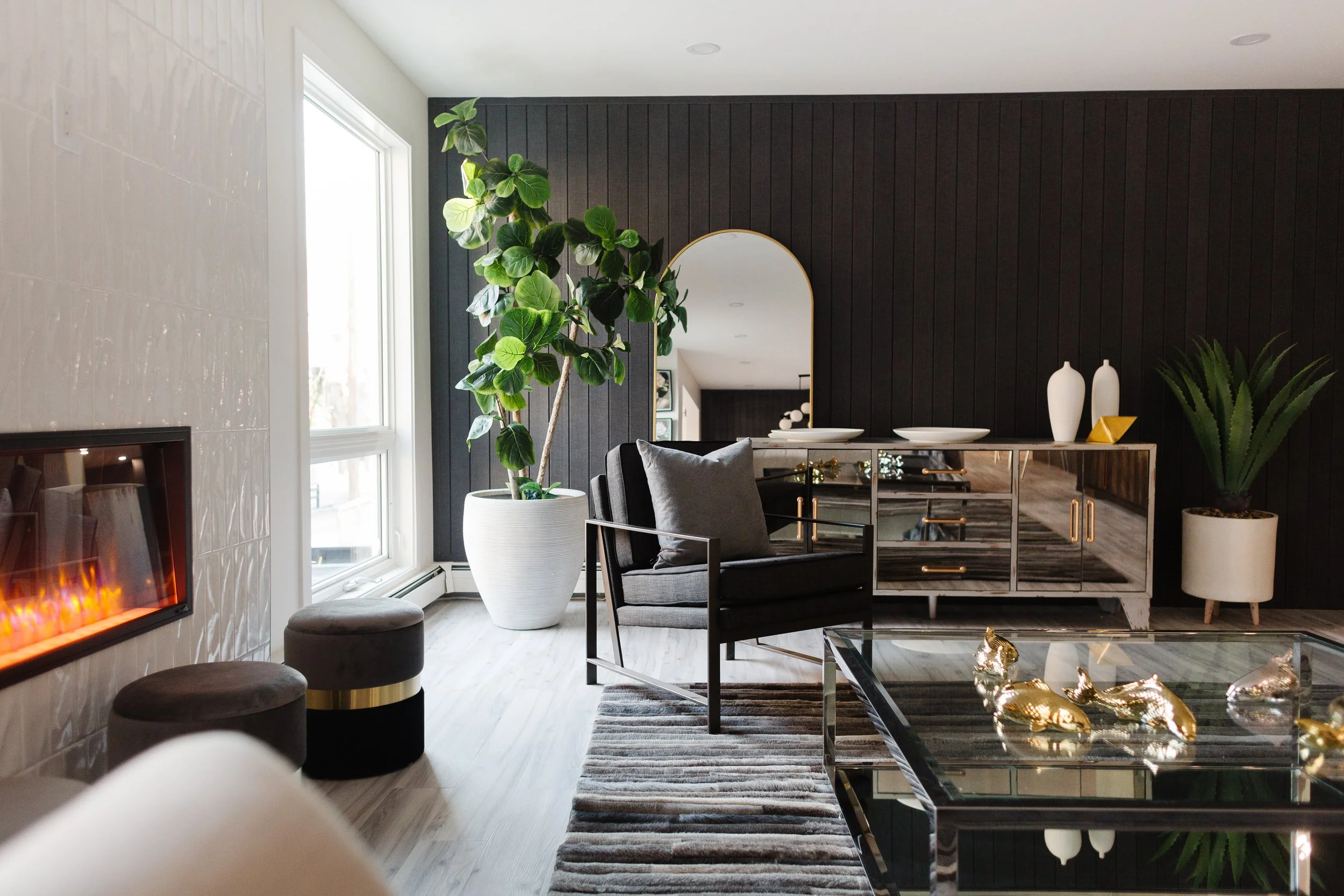
If you want something beyond flat paint, there are creative wall accent ideas that incorporate texture and structure.
Black Board and Batten
Adding moulding painted black creates architectural interest and dimension. It turns a simple wall into a custom feature wall.
Geometric Designs
Painter’s tape can create modern patterns. This approach adds personality while keeping the boldness controlled.
Black Wallpaper
Black wallpaper with subtle patterns adds movement and texture without overwhelming the space.
Black Feature Wall With Wood Panels
Vertical wood panels painted black create height and drama. An accent wall combined with wood is both modern and timeless.
Accent Wall Bedroom Ideas for Small Spaces
An accent wall can work beautifully in small bedrooms when used strategically.
Use Partial Walls
Instead of covering the entire surface, focus only on the bed zone. This keeps the feature wall contained and impactful.
Combine With Mirrors
Mirrors reflect light and help maintain openness. Pairing them with a black bedroom accent wall prevents visual heaviness.
Keep Bedding Light
White or cream bedding balances contrast and keeps the room airy. Anaccent wall feels purposeful when paired with lighter décor.
Accent Wall Ideas for Basements
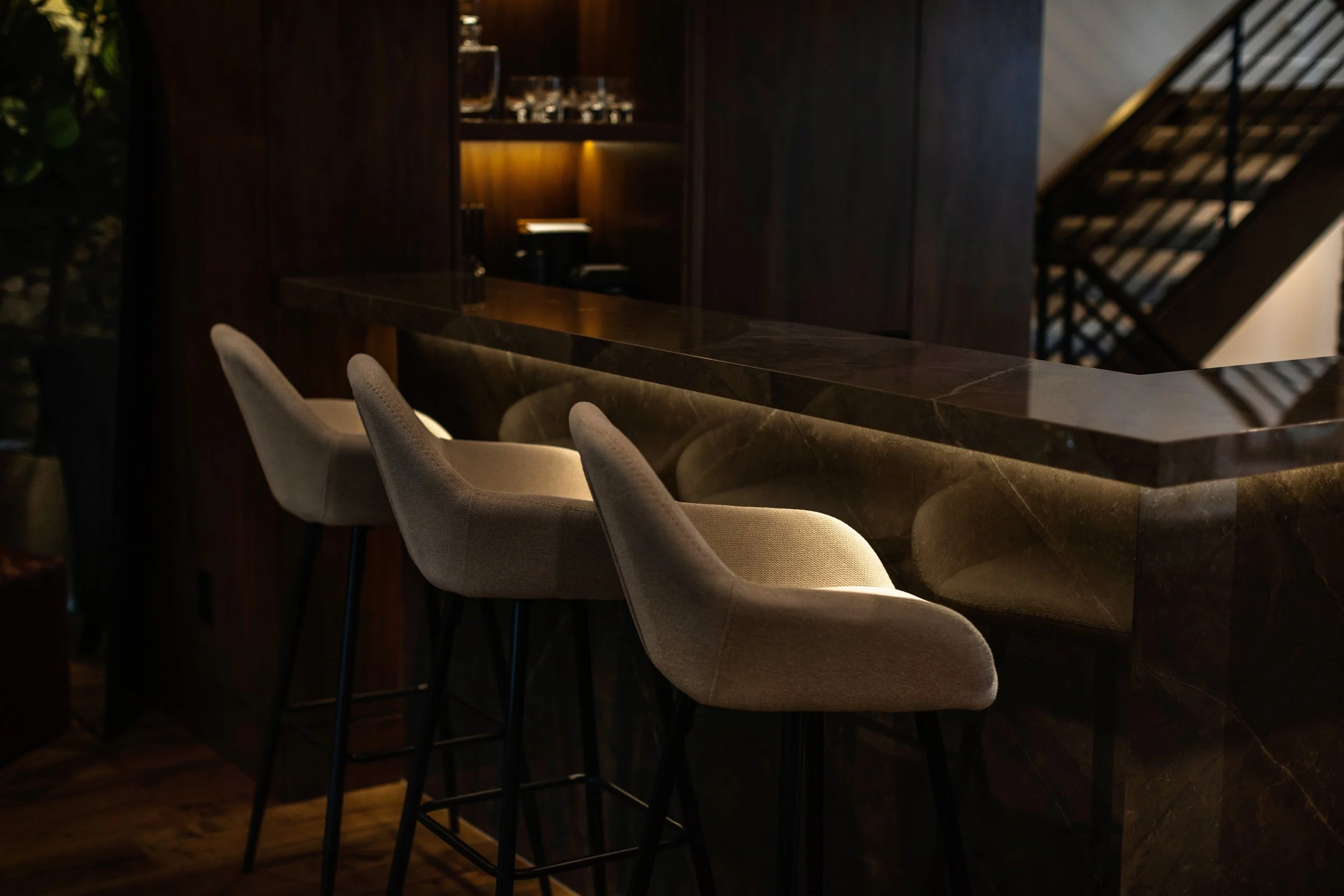
Basements often lack natural light and architectural detail, which can make them feel flat or unfinished. Adding contrast is one of the easiest ways to introduce depth and personality without major renovation. A black feature wall works especially well in basement settings because it embraces the naturally lower lighting rather than fighting against it. When styled properly, it can make the space feel intentional, modern, and elevated instead of dark.
Media Room
Dark walls reduce screen glare, making a black feature wall ideal for entertainment areas. Minimizing light reflection, it enhances viewing quality and creates a more immersive experience for movies and sports. An accent wall behind the television also hides cords, speakers, and mounted hardware more effectively than lighter paint colours. This keeps the space looking streamlined and less cluttered.
To balance the darkness, incorporate layered lighting such as recessed lights, floor lamps, or LED strip lighting behind shelving. This adds dimension and prevents the media room from feeling too enclosed.
Home Bar
Anaccent wall instantly adds sophistication and creates a lounge-like atmosphere in a basement bar. It makes glassware, bottles, and metallic finishes stand out with clarity and contrast. When paired with wood shelving or stone countertops, black creates a moody, upscale feel similar to high-end cocktail lounges.
This works especially well if you want your basement to feel like a destination rather than an afterthought. Consider adding under-cabinet lighting or backlit shelves to highlight textures and prevent the space from feeling overly dark. The glow against a feature wall creates a refined and polished finish.
Gaming Area
Dark walls enhance immersion, which makes a black feature wall a strong choice for gaming setups. It reduces distraction and improves screen contrast, helping visuals appear sharper. An accent wall can also define the gaming zone within a larger open basement layout. This helps separate entertainment from seating or workout areas without building physical dividers.
To avoid a heavy look, pair the wall with modern LED lighting strips or subtle coloured backlighting. This keeps the space dynamic while still benefiting from the depth and focus that black provides.
Black Feature Walls in Home Offices
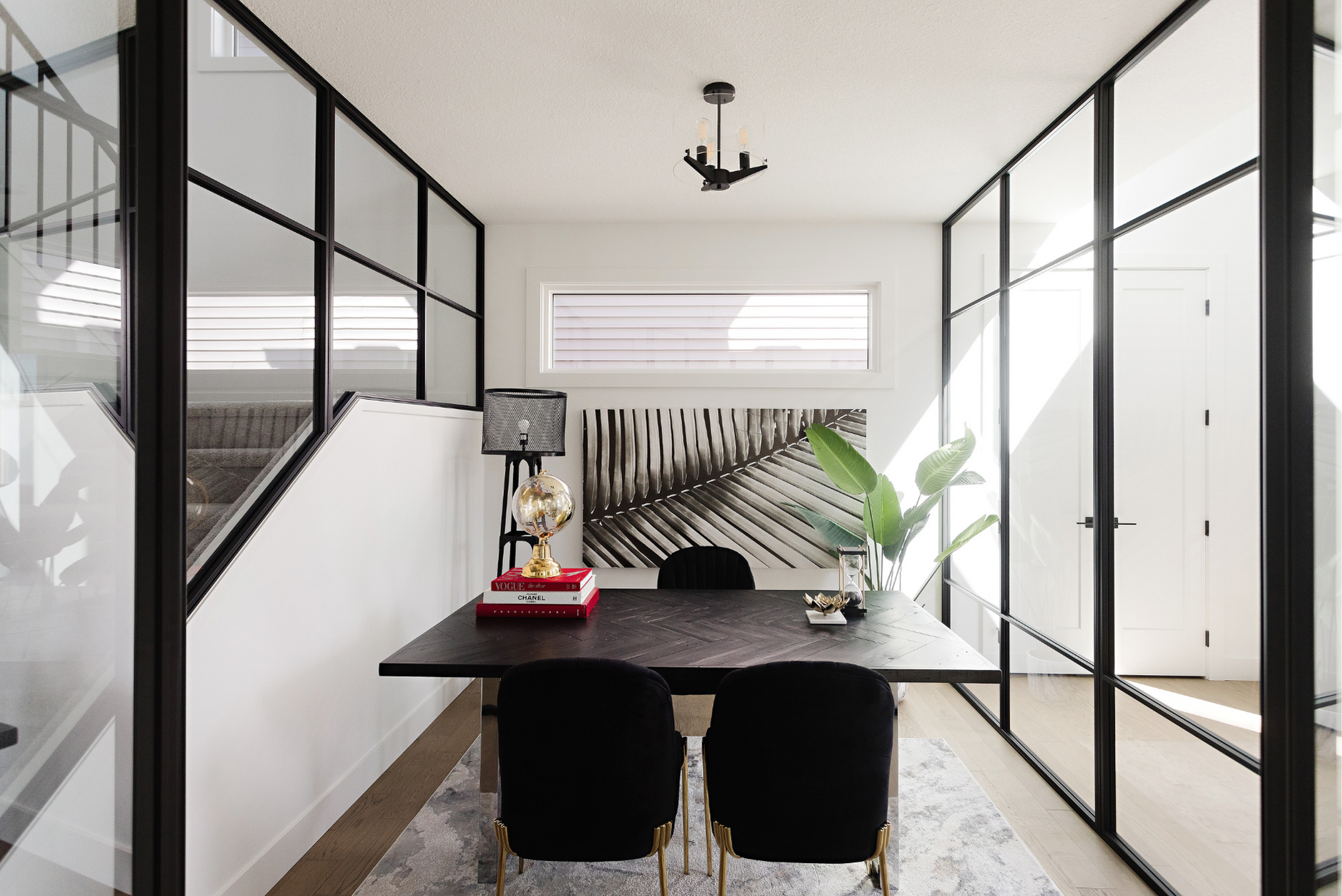
Home offices benefit from strong visual structure, especially when they’re part of an open floor plan or tucked into a spare bedroom. Adding contrast helps define the workspace and separate it mentally from the rest of the home.
A black accent wall introduces depth and professionalism while still feeling modern and intentional. When styled correctly, it can make a small office feel grounded and thoughtfully designed rather than temporary or improvised.
Design Behind the Desk
A black feature wall behind your desk creates a clean, professional backdrop for video calls and virtual meetings. It eliminates visual distractions and keeps the focus on you. It also adds contrast that makes lighter desks, chairs, and décor stand out more clearly.
The depth of a black feature wall gives your workspace a polished, executive feel without requiring expensive upgrades. To soften the look, incorporate warm lighting through desk lamps or sconces. Proper illumination ensures the wall enhances your space rather than making it feel dim or shadowed during long work hours.
Add Floating Shelves
White or natural wood floating shelves stand out beautifully against black, creating a strong visual contrast and practical storage at the same time. The darker background makes books, plants, and décor feel curated instead of cluttered.
A black accent wall behind shelving also adds dimension, preventing the wall from feeling flat. This is especially helpful in smaller offices where architectural detail may be minimal. For balance, mix materials such as wood, metal, and greenery. The combination of textures keeps the space layered and prevents the accent wall from feeling too stark or heavy.
Use Black in Entryways
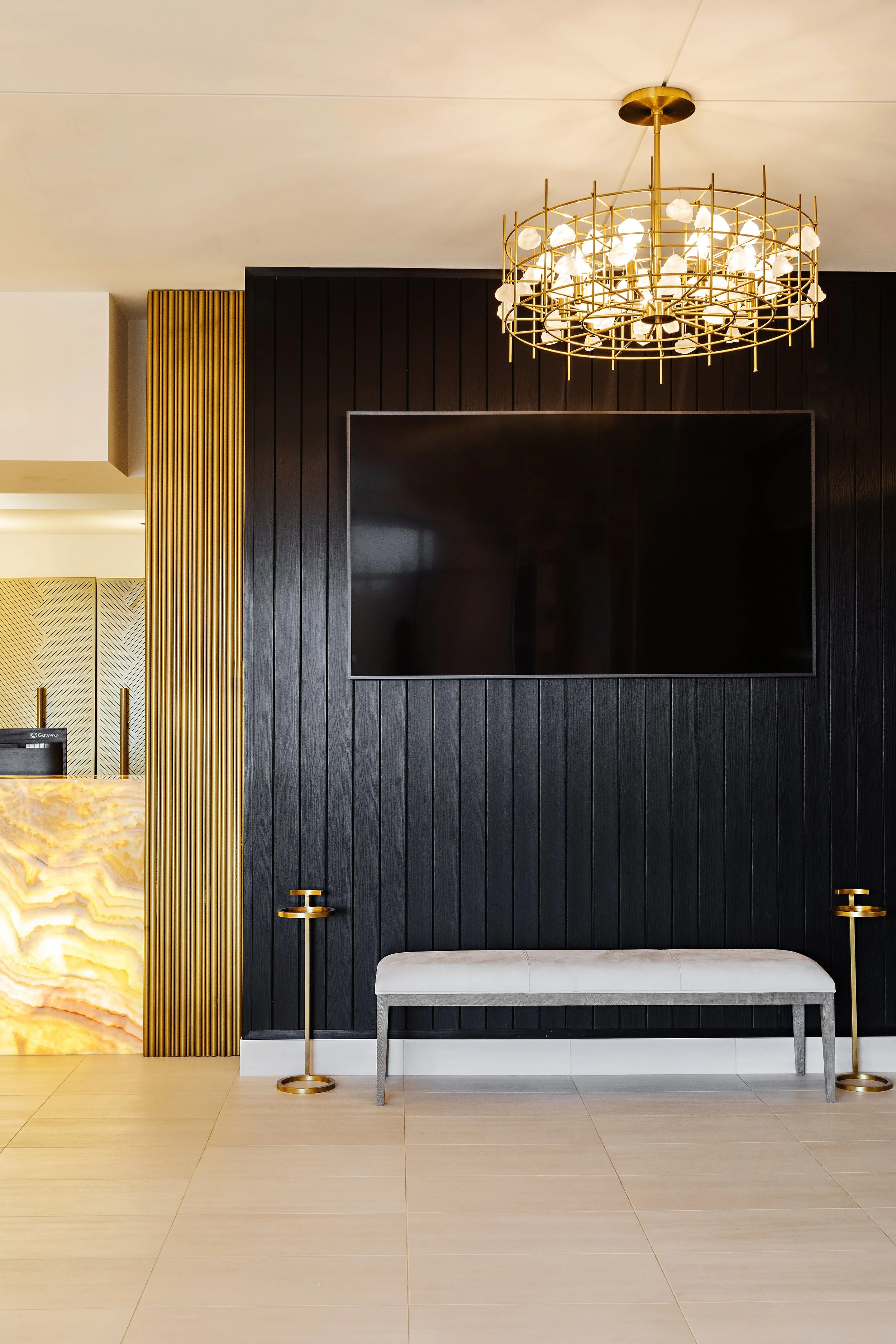
Entryways may be small, but they set the tone for your home. This is the first space guests see, and it’s where you create your first design impression. A bold choice here can make the entire home feel more intentional and cohesive. Because entryways are often narrow or under-decorated, adding contrast can instantly elevate the space. Done properly, black adds depth instead of darkness.
Make a Vertical Statement
A single feature wall in an entryway adds depth and makes a memorable first impression. A single black feature wall in an entryway adds depth and makes a memorable first impression. It draws the eye forward and gives the space structure, especially if the rest of the walls are light or neutral. Black also works particularly well in tall entryways. It visually grounds high ceilings and prevents the space from feeling empty or unfinished.
If your entry feels long and narrow, painting the far wall black can actually create a sense of depth and balance. To keep it welcoming, pair the wall with warm lighting. A soft-glow pendant or wall sconces prevent shadows and ensure the space feels inviting rather than dramatic in a harsh way.
Add Hooks and Art Work
Light décor elements pop beautifully against black, enhancing both style and function. White hooks, brass hardware, or natural wood coat racks stand out clearly and create a layered look. Artwork also looks more defined against a dark backdrop. Framed prints, mirrors, or statement pieces gain visual impact because the contrast sharpens their edges and colour.
If space allows, adding a slim console table with a light-toned surface helps break up the darkness. A mirror above it not only reflects light but also keeps the entryway feeling open and airy while still benefiting from the bold accent wall behind it.
Mixing Black With Colour
Black pairs effortlessly with emerald green, navy blue, warm beige, and even blush tones. A feature wall enhances surrounding colours rather than competing with them.
Common Mistakes to Avoid
Painting too many walls dark can overwhelm a room. Ignoring lighting is another mistake, as a feature wall depends on balanced illumination. Choosing the wrong sheen or skipping primer can also impact the final result. Black accent walls succeed when they’re intentional and thoughtfully styled.
Styling Tips for a Balanced Look
Plants add life and contrast. Layered textiles bring warmth. Metallic finishes reflect light and prevent flatness. Natural wood elements soften the bold contrast. These styling choices ensure your black accent wall feels layered and complete.
Final Thoughts on Black Accent Wall Design
Whether you call them black accent walls, accent walls or feature accent walls, these feature walls are one of the most effective ways to elevate your home without a full renovation. It creates depth, defines spaces, and turns plain walls into intentional design statements. From a black bedroom accent wall to a bold accent wall in living room ideas, there are countless ways to make it work. Whether you’re exploring accent wall bedroom ideas, planning accent wall ideas for basement upgrades, or designing an accent with wood, balance and placement are key.
If you’re unsure where to start, speaking with our Edmonton interior designers can help you confidently integrate a black feature wall into your space without overcomplicating the process. When planned properly, an accent wall doesn’t make a room smaller; it makes it stronger.